
Is a Roof Leak an Emergency? When to Call Immediately vs. When You Can Wait
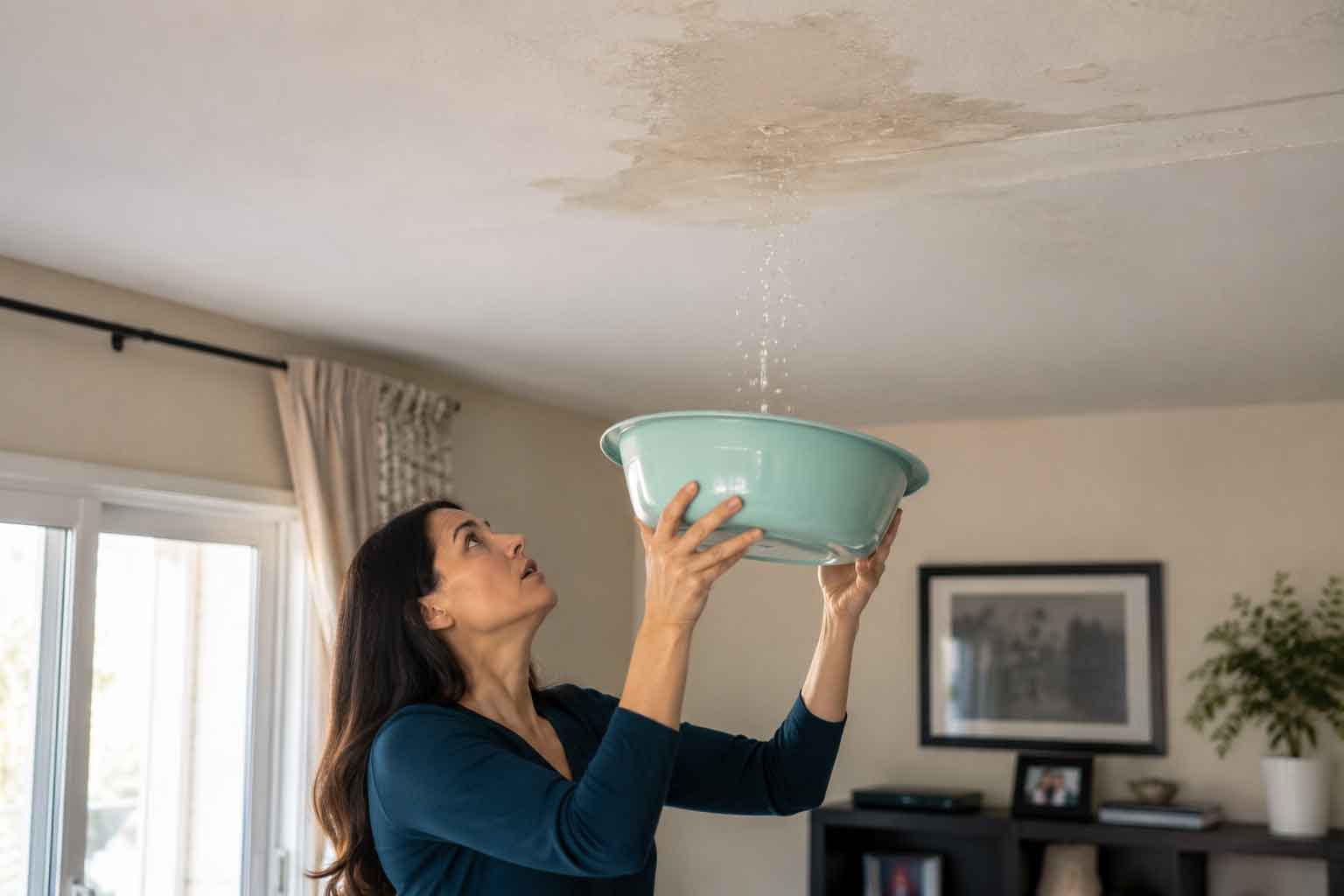

Yes. Most active roof leaks are emergencies. Mold begins growing within 24 to 48 hours of sustained moisture exposure. Ceiling drywall can collapse under the weight of pooled water. Water near electrical fixtures creates a serious safety hazard. If water is actively entering your home right now, the clock is already running.
In Los Angeles, many homeowners first discover roof leaks during the season’s first major storm after months of dry weather. Roof membranes, flashing, and sealants can deteriorate during extended periods of sun exposure, allowing heavy rainfall to expose problems that weren’t visible before.
Here is how to read the situation and what to do while you wait for a roof leak repair professional to arrive.
How Can You Tell If It’s a Roof Leak?
Not every roof leak begins with water dripping from the ceiling. In many cases, the earliest warning signs appear long before an active leak develops. Identifying these symptoms early can help limit damage and prevent a small roofing issue from becoming a costly repair.
Watch for signs such as:
- Brown or yellow water stains on ceilings or walls
- Bubbling or peeling paint near the ceiling
- A musty odor that becomes stronger after rainfall
- Watermarks that reappear after every storm
- Damp insulation or unexplained moisture in the attic
If you notice any of these warning signs, it’s worth scheduling a professional inspection before the next rainstorm turns a minor issue into an emergency.
When Should You Call a Professional Immediately?
Some situations cannot wait. If any of the following are present, call for emergency service now.
Active Dripping or Flowing Water During Rain
If water is actively entering the home while it is raining, the leak is open and ongoing. Every minute of additional rain adds more water to the wall cavity, insulation, and ceiling structure. This is not a situation to monitor and revisit later.
A Bulging or Sagging Ceiling
A ceiling that is visibly bowing, sagging, or has a bubble forming is holding pooled water above it. That water is heavy and the ceiling can give way without warning. Do not stand underneath it. This is an immediate structural hazard. The Santa Monica loft leak repair case study shows what was behind one sagging ceiling.
Water Near Electrical Fixtures, Panels, or Outlets
Water and electricity in the same space is a life safety issue. If the leak is anywhere near a light fixture, ceiling fan, electrical panel, or wall outlet, treat it as an emergency and do not attempt to manage it yourself. Turn off the power to the affected area at the breaker if it is safe to do so and call immediately.
Dark Staining That Is Growing During the Storm
A stain that is visibly expanding while it is raining is an active intrusion event, not a historical one. This is the difference between a past leak and a current one. Growing stains during a storm mean water is moving through the structure right now. The longer it continues, the greater the risk of mold, collapse, and damage to anything stored below. If you are unsure where the water is entering, a professional can identify the source of water intrusion before further damage occurs.
Why Los Angeles Roof Leaks Often Appear During the First Major Storm
Many Los Angeles homeowners discover roof leaks during the first significant rainfall of the season. Months of hot sun, UV exposure, and dry weather can cause roofing materials, flashing, and sealants to crack or deteriorate without obvious signs. When heavy rain finally arrives, those weakened areas allow water to enter the home.
Flat roofs, older stucco homes, and aging roof penetrations are especially vulnerable after long dry periods. That’s why even a seemingly minor leak during the first storm should be inspected as soon as possible.
Also Read: El Niño Is Here: Your Emergency Waterproofing Checklist for Los Angeles Homeowners
When Can You Wait a Few Days?
Not every roof situation is an immediate emergency. There are cases where calling within the week is a reasonable approach.
An Old, Dry Stain With No Active Drip
If you discover a stain on the ceiling during dry weather and there is no active moisture, no soft drywall, and no smell, the event that caused it has already passed. The damage is historical. Calling for an assessment within a few days is appropriate, though waiting weeks or months is not.
Small, Isolated Discoloration With No Rain in the Forecast
A small area of discoloration that is not growing, not soft to the touch, and not accompanied by any odor can be assessed on a non-emergency timeline. Book a professional inspection before the next rain event so the entry point can be identified and addressed before the situation becomes active again.
Read More: Window and Door Leaks in Los Angeles: How Water Gets In and How We Stop It
What Should You Do Right Now While Waiting for Help?
These steps will not fix the leak but they will limit damage while you wait for a professional to arrive.
Place Buckets and Protect the Floor
Put buckets or containers under any active drip points. Lay down towels or plastic sheeting to protect flooring. Move valuables, electronics, and furniture out of the affected area.
Poke a Small Relief Hole in a Bulging Ceiling
If the ceiling is visibly bulging and holding water, use a screwdriver or thin tool to poke a small hole at the lowest point of the bulge. This releases the pooled water in a controlled way rather than allowing the ceiling to collapse on its own. Have a bucket ready. It sounds backwards, but controlled release is far safer than letting the ceiling give way on its own.
Do Not Wait for the Rain to Stop
A common mistake is deciding to call after the storm passes. The problem with that approach is that the mold clock starts the moment moisture enters the structure, not when the rain stops. Structural damage accumulates every hour water sits in a wall cavity or ceiling. Calling during the storm for rain leak repair gets a professional moving toward your property sooner, even if the inspection and repair cannot begin until conditions allow.
What Not to Do During a Roof Leak
While waiting for emergency roof leak repair, avoid actions that can make the damage worse or put your safety at risk.
- Don’t climb onto the roof during a storm. Wet roofing materials are slippery and dangerous, and temporary DIY patches rarely stop an active leak.
- Don’t use fans or hair dryers to dry the ceiling before the source is identified. Hidden moisture can remain inside walls and insulation even if the surface appears dry.
- Don’t wait for your insurance company before calling for emergency service. Stopping active water intrusion should always come first. Proper documentation can still be completed after the immediate threat has been addressed.
What Does Emergency Roof Leak Response Typically Cost?
Emergency tarping and temporary repairs in Los Angeles typically run between $500 and $1,500 depending on roof access, pitch, and the size of the affected area. A temporary tarp is installed to stop additional rainwater from entering the home until permanent repairs can be completed safely and under appropriate weather conditions. This immediate protection helps minimize further damage while a long-term repair plan is prepared.
Why Waiting Is Usually the More Expensive Choice
Every hour an active roof leak goes unaddressed allowing moisture to spread further into the building. What begins as a small ceiling stain can quickly become saturated insulation, damaged framing, mold growth, and costly interior repairs. At that point, the scope of work expands from a roof repair into a full water damage restoration in Los Angeles project.
Absolute Maintenance & Consulting responds to active roof leak emergencies in Los Angeles. If you have an active roof leak right now, do not wait. Reach out to Absolute Maintenance & Consulting to request emergency service. The sooner the call is made, the less damage there is to deal with.
Frequently Asked Questions
Do you respond to roof leak emergencies in Los Angeles?
Yes. Emergency calls are prioritized above all scheduled work. Call (310) 678-4345 directly for the fastest response during an active leak.
How fast can you get to my property?
Response times vary by location and current demand, but emergency roof leak calls are always dispatched first. In most cases, we aim to have someone on-site or in contact with you within a few hours of your call.
Do you do temporary tarping before the permanent repair?
Yes. Emergency tarping and temporary weatherproofing stop further water entry while conditions are assessed. Permanent repairs are then scheduled once it is safe to work on the roof.
Can you help me document the damage for my insurance claim?
Yes. Moisture conditions, affected areas, and entry points are all documented as part of the assessment. That documentation can be submitted directly to your homeowners insurance carrier to support your claim.
Do you handle the mold risk after a roof leak?
Yes. Mold can begin growing within 24 to 48 hours of sustained moisture exposure. We offer moisture detection and mold remediation services alongside roof leak repair when conditions indicate a risk.
Can you find where the leak is coming from if it is not obvious?
Yes. Many leaks travel along rafters or roof decking before dripping in a visible spot, which means the entry point is rarely directly above where water appears. Using thermal imaging and moisture mapping, we trace the exact source inside the roof and wall assembly with no unnecessary demolition.
Do you serve all areas of Los Angeles?
Yes. We cover residential and commercial properties across Los Angeles County, including the San Fernando Valley, South Bay, and surrounding areas. Call (310) 678-4345 to confirm availability in your specific area.
About the Author
 Cameron Figgins
Cameron Figgins is the founder of Absolute Maintenance & Consulting. With over 30 years of hands-on industry experience, he specializes in identifying complex water intrusion issues in Southern California homes and is dedicated to helping homeowners protect their property with the latest in detection technology.”