
El Niño Is Here: Your Emergency Waterproofing Checklist for Los Angeles Homeowners

El Niño seasons don’t announce themselves with a single dramatic storm. They settle in gradually, and by the time most homeowners notice something is wrong, the damage has already started.
The good news is that most of what protects a Los Angeles home during a wet El Niño winter comes down to proper waterproofing, handled before the first heavy rain arrives. It starts with knowing where to look.
Why Los Angeles Homes Need Extra Attention This Season
Los Angeles isn’t built for prolonged rain. When El Niño changes that, homes tend to feel it fast.
- Dry Climates Create Hidden Vulnerabilities: Years without sustained moisture means small weaknesses in roofs, foundations, and walls rarely get tested. El Niño is often the first real test a home has had in a long time.
- Water Intrusion Happens Faster Than Expected: It doesn’t take a major flood. Sustained rain over several days is enough to push water through gaps, cracks, and weak points that seemed perfectly fine during a normal dry season.
- Foundation Stress Builds Silently: Southern California’s clay-heavy soils expand when they absorb water. That expansion puts steady pressure on foundations and concrete structures, often without any visible warning until the damage is already done.
- Roof and Drainage Systems Get Overwhelmed: Los Angeles homes and infrastructure are optimized for dry weather. Gutters, drains, and roofing materials that handle light seasonal rain can struggle under the volume and duration that El Niño brings.
None of these conditions announce themselves early. Most show up after the rain has already done its work. That is why a little attention before the season starts goes further than any repair after the fact.
Related Article: Millennial Homeowners: Personal Image vs. Home Maintenance — What You Don’t See Can Cost You
Your Waterproofing Checklist
El Niño prep doesn’t have to be complicated. These are the areas every Los Angeles homeowner should walk through before the rainy season starts.
Start With Your Roof
Your roof is the first line of defense against everything El Niño brings. Roofing materials that have been baking through hot Los Angeles summers are often more vulnerable than they appear.
Walk through this before the season changes:
- Check for loose, curling, or cracked shingles
- Look for any areas where the roof surface has separated or lifted
- Inspect flashing around chimneys, vents, and skylights
- Clear all debris from gutters and downspouts
A roof that looks fine in dry weather may not hold up under hours of sustained rain.
Check Your Windows and Door Frames
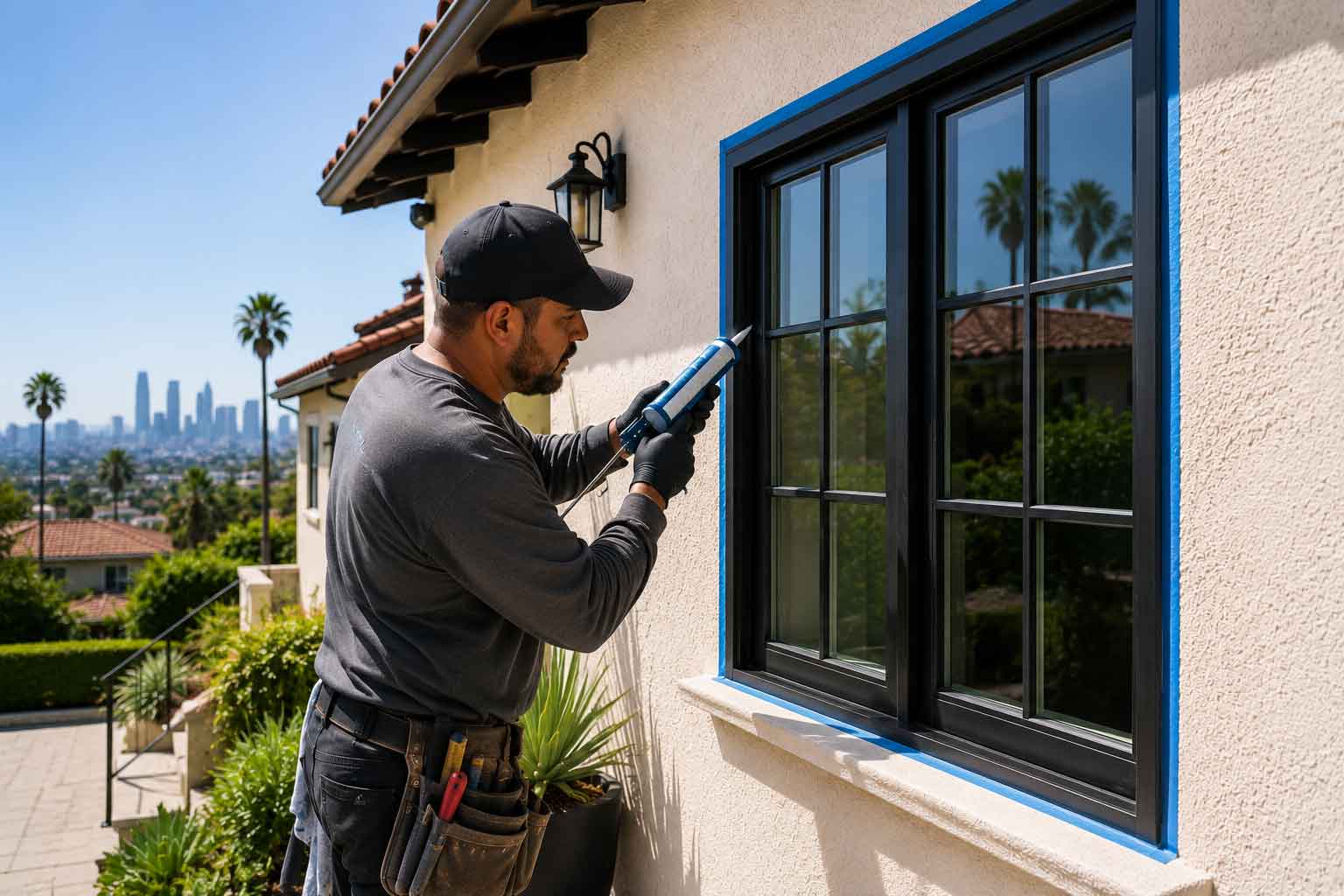
Gaps around windows and doors are one of the most common entry points for water intrusion in Los Angeles homes. Caulking shrinks and separates over time, especially after long dry seasons.
Run your hand along the interior edges of window frames after a light rain. Soft spots, bubbling paint, or a faint musty smell nearby are early signals worth taking seriously. A basic leak detection check at this stage takes very little time and can prevent a much larger problem.
Inspect Your Foundation
Foundation waterproofing is easy to overlook because most of what matters is happening below the surface. But there are visible signs worth checking from the outside.
Walk the perimeter of your home and look for:
- Cracks that have widened or feel soft around the edges
- Areas where soil is pulling away from the foundation
- Any signs of moisture or white mineral deposits on concrete surfaces
Southern California’s clay-heavy soils expand when wet and put steady pressure on foundations. Catching early signs before the rainy season is always the better option.
Clear Your Drainage Paths
Blocked drainage is one of the most preventable causes of water intrusion. When water has nowhere to go, it finds its own path, and that path is often through your home.
Check that backyard drains, French drains, and street-adjacent gutters are clear. Walk your property after a light rain and notice where water is pooling. Those spots are worth addressing before a heavier storm arrives.
Check Below-Grade and Low-Lying Areas
Basements, crawl spaces, and any room that sits close to ground level deserve extra attention during an El Niño season. These are the areas most likely to experience water intrusion first.
Look for existing moisture stains, check that any sump pumps are working, and make sure vents and openings are properly sealed. Small vulnerabilities in low-lying areas tend to become urgent ones when rainfall is sustained over days rather than hours.
Read More: Healthy Homes Start With Small Habits
How Do Los Angeles Homeowners Prepare for El Niño?
Preparing for El Niño doesn’t have to mean a full weekend of repairs. A few consistent habits make a real difference.
1. Walk Your Property After the First Light Rain
Take a slow walk around and notice anything that looks different. New stains, pooling water, or soft ground near the foundation are worth writing down and following up on.
2. Check Your Insurance Coverage Early
Standard homeowner policies often don’t cover flood or water intrusion damage. A quick call to your provider before the season starts can save you from a very unpleasant surprise later.
3. Keep Gutters and Drains Clear All Season
Most people clear them once and forget about them. El Niño brings multiple storms, so gutters and drains need attention throughout the season, not just at the start.
4. Trust What Your Home Is Showing You
Stains, smells, and soft spots are your home’s way of signaling that something needs a closer look. Catching those early is almost always simpler and less costly than waiting.
Also Read: Does Homeowners Insurance Cover Water Damage? What Property Owners Need to Know
Why Does the Problem Keep Coming Back?
A one-time fix is great. But some homes have issues that show up every single rainy season no matter what gets done. That pattern usually means the actual source was never addressed, only the symptom, whether it’s a slow water intrusion path, shifting soil, or drainage that was never routed correctly to begin with.
Absolute Maintenance & Consulting specializes in tracing these issues back to their root cause, so Los Angeles homeowners deal with it once instead of every single season. Get in touch to schedule an evaluation before El Niño season is in full swing.
About the Author
 Cameron Figgins
Cameron Figgins is the founder of Absolute Maintenance & Consulting. With over 30 years of hands-on industry experience, he specializes in identifying complex water intrusion issues in Southern California homes and is dedicated to helping homeowners protect their property with the latest in detection technology.”