
How Long Does It Take for Water Damage to Dry Out?
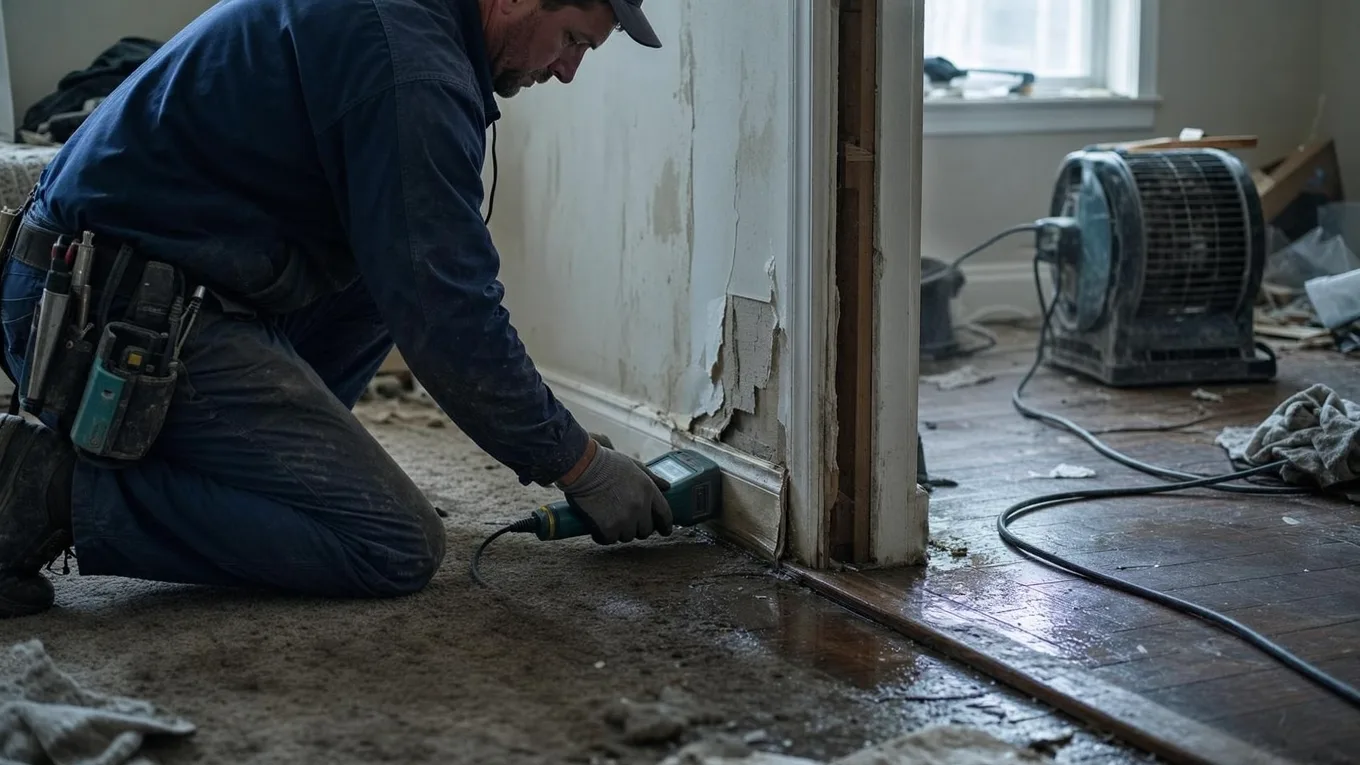

Water damage typically takes anywhere from 48 hours to 2 weeks to dry completely, depending on the severity of the water intrusion, the materials affected, and the humidity in the space. I’ve walked into homes on day one where a homeowner insists everything is dry, and on day five where the same room still reads wet on my moisture meter. The timeline isn’t a guess. It follows patterns I’ve seen play out on hundreds of jobs across Southern California.
Water Damage Drying Timeline by Severity
The overall water damage drying time falls into three buckets: minor, moderate, and severe. Severity depends on how much water got in, where it came from, and how large an area it soaked.
The clock actually starts with water extraction, which is the pumping or vacuuming out of standing water. That first 24 to 48 hours is extraction and setup. The active drying phase happens after that, and it’s the part most homeowners underestimate.
Minor Water Damage: 1-2 Days
A small spill, an overflowing sink, or a quick leak on tile or sealed flooring usually dries in one to two days. These are non-porous materials, so they don’t soak up water deep into their structure. Fans and a basic dehumidifier are often enough.
I still tell clients to check under baseboards even on “minor” jobs. Water travels sideways along grout lines and baseboards faster than people expect, and mold risk stays low only if everything is dry within 24 to 48 hours.
Moderate Water Damage: 3-5 Days
Pipe bursts, washing machine overflows, and dishwasher leaks that reach carpet, drywall, or wood flooring fall into this category. This is where I bring in professional air movers and dehumidifiers, because porous materials hold water inside their structure, not just on the surface.
Three to five days is standard for a residential loss like this, but that number stretches if the padding under carpet is fully saturated or if water wicked up drywall higher than it looks.
Severe Water Damage: 7 Days to 2 Weeks
Flooding, storm surge, sewage backup, and water that’s gotten into wall cavities and insulation take the longest. Solid masonry like brick and concrete can take up to 14 days to dry all the way through, even though the surface feels dry within a day or two.
Contaminated water adds time on top of that, because disinfection has to happen alongside drying, not after it.
Drying Times by Material
Material porosity, whether a surface is porous or non-porous, is the single biggest factor in how fast water damage dries. Non-porous materials like tile and metal shed water quickly. Porous materials like carpet, drywall, and wood absorb it and hold onto it.
| Material | Typical Drying Time |
|---|---|
| Carpet and padding | 2-4 days |
| Drywall | 3-5 days |
| Wood flooring | 7-10 days |
| Tile | 1-2 days |
| Concrete/masonry | up to 14 days |
Carpet and Padding
Carpet with professional equipment on it dries in two to four days. If it’s fully soaked, plan on three to five. The padding underneath is the real problem. It’s highly porous, traps moisture against the subfloor, and in a lot of cases I just replace it rather than dry it, because drying padding often costs more in equipment time than a new roll costs.
Mold can start inside 48 hours on damp carpet, which is why extraction speed matters more than anything else on these calls.
Drywall
Drywall drying time runs three to five days, but only if the paper facing and core haven’t broken down. Once drywall goes soft or starts sagging, I stop trying to dry it and cut it out instead. Drying compromised drywall is a losing bet.
Hidden moisture behind drywall is invisible to the eye. I use a moisture meter on every wall that’s been wet, because paint can look bone dry over a soaked stud bay.
Wood Flooring
Wood flooring takes seven to ten days, and it’s the material most prone to permanent damage from rushing the job. Wood is highly porous and will cup, warp, or buckle if it dries unevenly. I’ve seen homeowners pull dehumidifiers too early because the floor “looked fine,” only to have boards lift a week later.
The floor needs to reach moisture equilibrium, meaning its internal moisture content matches the room’s normal humidity, not just look dry on top. High humidity in the room can add two to three more days if there’s no dehumidification running.
Tile, Concrete, and Masonry
Tile dries in one to two days, but grout lines hold water longer than the tile itself and deserve a second look. Concrete and masonry look solid and non-porous on the surface, but they absorb water internally, which is why brick and block can take up to 14 days to dry completely. Dehumidifiers and air movers have to pull that moisture out from deep inside, not just off the surface.
What Affects How Fast Water Damage Dries
Five things drive water damage drying time: humidity, airflow, temperature, the category of water, and the type of material involved.
Humidity and Airflow
High humidity slows drying because saturated air can’t absorb more moisture, no matter how many fans are running. A dehumidifier fixes that by pulling moisture out of the air so evaporation can keep happening. Air movers speed up surface drying by moving air across wet materials, and the household box fan from the garage isn’t in the same league as a commercial air mover.
Temperature plays a role too. Warm air holds more moisture, so heating a space to around 80 degrees and then switching to air conditioning can help pull that moisture out once the air’s warmed up.
Water Category and Contamination
The category of water tells you how contaminated it is, and that determines whether disinfection has to happen alongside drying.
- Category 1 (clean water): fastest drying, low health risk, think supply line breaks.
- Category 2 (gray water): contains some contaminants, needs disinfection, adds time.
- Category 3 (black water): sewage or storm surge, needs full professional remediation, often runs seven days or more because of the added safety and disinfection steps.
The 24-48 Hour Mold Prevention Window
The EPA’s guidance is clear: materials need to be thoroughly dry within 24 to 48 hours to prevent mold growth. Mold can start developing inside 24 hours if things stay damp. That window is the reason speed matters more than almost anything else on a water loss.
I’ve opened up walls on day three of a “handled” DIY dry-out and found mold already starting behind the baseboard. It’s not rare. It’s actually the most common callback I get.
DIY Drying vs. Professional Technical Drying
DIY drying takes two to three times longer than professional technical drying and often leaves hidden moisture behind. Technical drying is the equipment-driven process, industrial dehumidifiers, commercial air movers, and moisture meters, used to bring materials down to their true moisture equilibrium, not just a dry-looking surface.
IICRC standards call for a qualified specialist to handle drying of structural materials for a reason. A box fan in a doorway will dry the top layer of a carpet while the padding underneath stays wet for a week. Incomplete DIY drying is the number one cause of secondary damage, mold, warping, and hidden rot, that I get called out to fix later, usually at a much higher cost than if it had been dried right the first time.
How to Tell If Water-Damaged Materials Are Fully Dry
You cannot tell by looking. A material can look dry on the surface and still be soaked underneath. Signs it’s not actually dry include a musty smell, warped or cupped wood flooring, sagging drywall, or discoloration that shows up days later. If mold appears within 24 to 48 hours, the drying wasn’t thorough enough.
The only reliable way to confirm dryness is with a professional moisture meter, checking that the material has reached equilibrium moisture content, meaning its internal moisture level matches the normal conditions of the room. I check every wet material this way before I sign off on a job, because eyeballing it just isn’t good enough.
When to Call a Water Damage Restoration Professional
Call a professional for water damage restoration if any of the following apply:
- The water is Category 2 or 3, meaning gray water or sewage.
- Multiple rooms or a flooded basement are involved.
- You can’t get the area fully dry within 24 to 48 hours.
- You suspect moisture behind walls or under flooring that you can’t see.
- There’s structural damage, like a sagging ceiling or warped floorboards, or a musty smell that won’t go away after you’ve tried drying it yourself.
If you’re staring at a wet carpet or a stained ceiling and you’re not sure which category you’re in, that uncertainty alone is a good reason to get someone out to look at it. A professional can help before you spend a week running fans on a problem that needed extraction equipment from day one.
Frequently Asked Questions
How long does water damage take to dry on average?
Most residential water damage dries in three to seven days once extraction and equipment are in place. Minor spills on tile can dry in a day or two, while severe flooding, sewage, or saturated masonry can take one to two weeks to reach full dryness.
Can water damage dry on its own without a dehumidifier?
Small, non-porous spills can air-dry fine on their own. Anything involving carpet, drywall, or wood needs a dehumidifier, because high humidity slows evaporation and traps moisture inside porous materials, extending drying time by several days and raising the risk of mold.
How do I know if water damage has fully dried?
You can’t tell by sight alone. Musty odors, warped wood, sagging drywall, or mold appearing within 24 to 48 hours all signal remaining moisture. A professional moisture meter is the only reliable way to confirm a material has reached true equilibrium moisture content.
Is DIY drying enough after water damage?
DIY drying works for small, minor spills on non-porous surfaces. For anything larger, it takes two to three times longer than professional drying and often misses moisture trapped in padding, drywall cores, or subfloors, which can lead to mold within 48 to 72 hours.
Why does humidity matter for drying water damage?
Humid air is already holding a lot of moisture, so it can’t absorb much more from wet materials, which slows evaporation dramatically. Without a dehumidifier pulling moisture out of the air, high humidity can add two to three extra days to the drying process.
What happens if water damage isn’t dried fast enough?
Materials left damp past the 24 to 48 hour window are at high risk for secondary damage, mold growth, warped wood, sagging drywall, and structural weakening. This damage often costs far more to fix than the original water event and can also affect indoor air quality.
About the Author
 Cameron Figgins
Cameron Figgins is the founder of Absolute Maintenance & Consulting. With over 30 years of hands-on industry experience, he specializes in identifying complex water intrusion issues in Southern California homes and is dedicated to helping homeowners protect their property with the latest in detection technology.”