
Mold After Water Damage: How Fast It Grows and What LA Homeowners Should Do
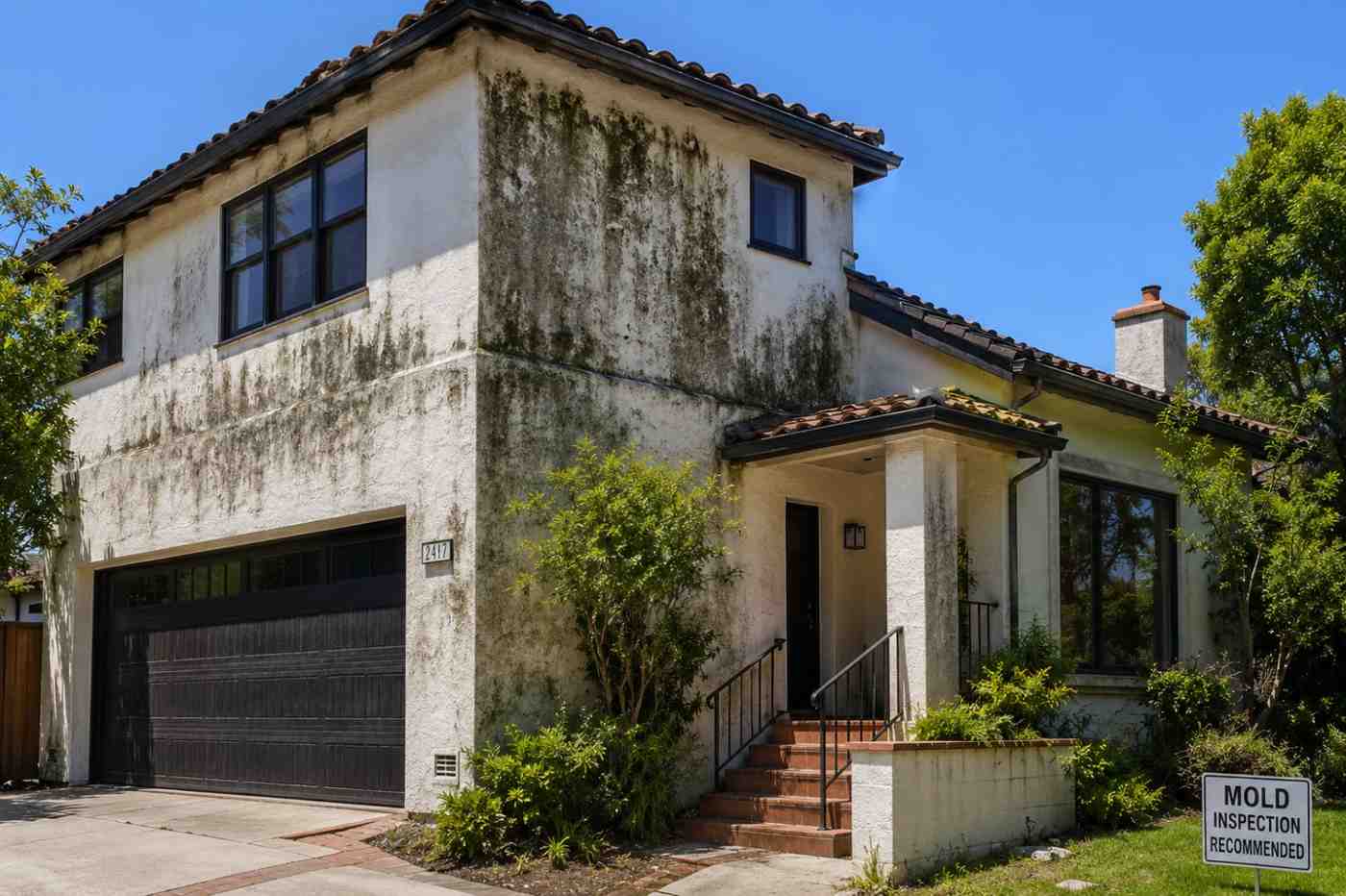

A pipe bursts under the sink. A window seal fails during the first heavy rain of the season. Water gets into the wall through a crack in the stucco that looked minor for years. In any of these situations, what happens next determines whether this becomes a minor repair or a much larger one.
Mold growth after water damage follows a predictable timeline, and in Los Angeles, several conditions specific to this region accelerate that timeline in ways most homeowners do not anticipate. Understanding how mold develops, what conditions favor it in Southern California homes, and what an appropriate response looks like is the difference between a contained mold remediation and a repair scope that expands significantly with each week of delay.
How Fast Mold Grows After Water Damage
Mold does not need standing water to colonize a surface. It needs moisture content above a threshold, an organic food source, and time. In the right conditions, that timeline is much shorter than most people expect.
The First 24 to 48 Hours
Mold spores are present in virtually every indoor environment. They are airborne and inactive until conditions favor germination. When a wall assembly, subfloor, or ceiling cavity absorbs enough moisture, dormant spores begin to germinate within 24 to 48 hours. At this stage there is nothing visible. No discoloration, no odor, no texture change on the surface. The process has begun behind the finish.
48 Hours to One Week
Between two days and one week, germinated spores develop into visible colonies if the moisture source has not been eliminated and the material has not been dried. Early-stage growth often appears as faint gray, green, or black spotting on drywall, wood framing, or insulation. On stucco walls, the visible sign at this stage is more likely to be efflorescence or surface staining on the interior side, since mold is growing inside the cavity rather than on the face of the finish.
One Week and Beyond
After one week of sustained moisture, mold colonies spread laterally across affected material. At this point, musty odors typically become detectable in the room adjacent to the affected wall or ceiling. Secondary spread to neighboring materials begins: mold growing on wet sheathing can transfer to insulation batts and framing within the same cavity. By two to three weeks, the remediation scope is measurably larger than it would have been at 48 hours.
Why LA Conditions Accelerate Mold Development
Mold growth timelines described in building science literature assume average indoor conditions. In Los Angeles, several regional factors compress that timeline and affect where mold appears in the wall assembly.
Temperature
Many common household mold species, including the strains most frequently found in water-damaged drywall and framing, grow most aggressively between 77°F and 86°F. LA’s inland valleys and basins regularly hit that range for extended stretches, particularly during late summer and early fall. A wall cavity that absorbs moisture during a late-season rain event and sits in warm, undisturbed air behind the stucco finish can reach active mold colonization faster than the same event would produce in a cooler climate.
Atmospheric River Events and Concentrated Rainfall
Southern California’s wet season concentrates most of its annual rainfall into a small number of intense events. Walls that have been dry for months and have developed micro-cracks during the dry season meet driving rain at volume rather than gradual accumulation. When a significant amount of water enters an assembly quickly, it saturates faster than it can drain, creating the sustained moisture content mold requires. Our overview of how atmospheric rivers impact stucco and foundations in Southern California covers how these events stress wall assemblies in ways that differ from normal rain.
Construction Era and Wall Assembly Type
LA homes built between 1970 and 2000 are disproportionately represented in mold cases following water intrusion. Missing weep screeds, absent drainage planes, and improperly lapped weather barriers from that construction period mean water that gets past the stucco finish has no designed exit path. It pools against the sheathing rather than draining, creating exactly the sustained saturation that mold colonization requires. For a detailed breakdown of how these era-specific defects operate, see our guide to stucco problems unique to Los Angeles construction.
Where Mold Typically Appears After Stucco Water Intrusion
Mold following stucco water intrusion does not always appear where the water entered. Because water travels along framing members and drainage planes before finding a place to collect, mold growth frequently shows up several feet from the actual entry point. Field inspections across LA properties reveal a few recurring locations.
Behind the Weather-Resistive Barrier
The layer of Grade D building paper or house wrap between the lath and the structural sheathing is designed to shed water that gets past the stucco finish. When that barrier has reverse laps, tears, or punctures from fasteners, water collects on the sheathing side. This surface stays dark and undisturbed, and mold colonizes it before any interior sign appears.
At Window and Door Rough Openings
Improperly flashed window and door openings are among the most common water entry points in LA stucco construction. Water that enters at the sill or head of an opening wets the king stud, jack stud, and sill framing before spreading into the wall cavity. Mold in this location is often discovered during window replacement when framing is exposed for the first time. Our stucco leak detection service uses thermal imaging and moisture mapping to identify these conditions before they require framing replacement.
At the Base of the Wall
Blocked or buried weep screeds prevent water from exiting at the bottom of the stucco assembly. Water that cannot drain collects at the base plate and bottom of the sheathing, where it saturates wood that sits in persistent contact with moisture. This is one of the highest-risk locations for structural framing damage alongside mold growth, since the base plate bears load and is expensive to replace once compromised.
On Interior Drywall Surfaces
By the time mold is visible on an interior drywall surface, the assembly behind it has typically been wet for long enough that remediation will involve opening the wall. Discoloration, bubbling paint, or soft drywall at the base of an exterior wall is a reliable sign that mold is already established in the cavity.
What LA Homeowners Should Do After a Water Event
The response timeline matters as much as the response itself. Actions taken in the first 24 to 48 hours determine whether the situation stays contained.
Stop the Source First
No drying or remediation effort is effective while the water source is still active. If the entry point is a plumbing failure, shut off supply before anything else. If the source is weather-related intrusion through the stucco or window assembly, the immediate priority is limiting additional water entry while conditions are assessed.
Increase Air Circulation and Reduce Humidity
Open windows on dry days to promote air movement through affected areas. Dehumidifiers in rooms adjacent to a wet wall assembly help reduce ambient humidity that would otherwise slow drying. The goal is to keep relative humidity below 50%, the threshold IICRC standards identify for inhibiting active mold growth, a humidity meter from any hardware store is enough to check this.
Consumer-grade dehumidifiers can usually maintain that level in a single room, but they are not a substitute for the industrial air movers and desiccant equipment used in professional structural drying, which pull moisture out of wall cavities and subfloor assemblies rather than just the surrounding air. Central air conditioning, if the system is functioning, assists with this as well. Avoid closing off a wet room entirely, since stagnant humid air accelerates mold development.
Document the Damage Before Any Cleanup
Photograph all visible water damage, staining, and affected materials before touching anything. Date-stamp the images if your device does not do so automatically. This documentation is foundational to any insurance claim. Standard homeowner policies in California may cover sudden water damage events, but adjusters require evidence of the timeline and scope to process a claim.
Most California homeowner policies cover sudden water events like a burst pipe but exclude gradual deterioration such as a slow leak. Documentation of the timeline is often what adjusters use to decide a claim. Our guide to water damage insurance claims covers what documentation supports a successful claim and where coverage typically ends in more detail.
Do Not Paint Over or Seal Affected Surfaces
Painting over a water stain or applying sealant to a discolored section of drywall or stucco does not address mold that is already present in the assembly. It also eliminates the visible evidence that helps an inspector locate and quantify the damage. Leave affected surfaces exposed until a professional assessment has been completed.
Schedule a Professional Moisture Assessment
Visible water is easier to address than hidden moisture. A professional assessment using thermal imaging and calibrated moisture meters identifies saturated material that has not yet shown surface signs. This is the step that determines whether the situation can be resolved with targeted drying or whether remediation involving wall opening is already required. Learn more about what our stucco water intrusion inspections involve and what the findings typically look like.
When Mold Remediation Is Required
Not every wet wall requires full remediation. The scope depends on how long the material was wet, how much of the assembly is affected, and what species of mold has colonized the material. A professional assessment establishes these conditions before any work begins.
Remediation is typically required when mold is confirmed on structural framing, when the affected area exceeds a defined threshold of contiguous material, or when the species identified presents elevated health risk. In California, mold remediation guidance for residential properties comes from the California Department of Public Health’s statement on building dampness, mold, and health, and significant remediation work should be performed by a licensed contractor following industry standards such as IICRC S520.
Properties that have experienced repeated water intrusion events without professional intervention often present larger remediation scopes than the visible surface damage suggests. A wall that has been patched several times from the exterior without addressing the source may have accumulated mold across multiple bays of framing. For a sense of what hidden water damage looks like before walls are opened, our stucco waterproofing and inspection services page covers how we document conditions prior to repair.
The Cost of Waiting
The relationship between response time and remediation cost is not linear. A water event addressed within 48 hours with professional drying equipment may produce no mold growth at all. The same event left unaddressed for two weeks typically requires wall opening, material removal, and treatment of the framing behind the affected section.
Mold remediation for a small project (up to 3,000 sq. ft.), such as a single wall section, runs $2,275 to $2,900, depending on affected materials and scope. When adjacent framing is compromised, when the base plate requires replacement, or when the affected area spans multiple bays or walls, costs move into the medium ($3,000 to $10,000) or large ($10,000 to $50,000 or more) project ranges. The inspection cost that would have identified the moisture conditions early is a fraction of the remediation scope that develops with each week of delay.
For properties on LA’s hillsides, in older neighborhoods with era-specific construction defects, or on coastal elevations exposed to driving rain during atmospheric river events, the margin between a contained response and an expanded one is measured in days rather than weeks.
Get a Moisture Assessment Before Mold Becomes the Story
If your property has experienced a water event, shows signs of stucco water intrusion, or has interior staining on a wall that backs an exterior surface, the next step is a professional moisture assessment that identifies what is happening inside the assembly before it becomes visible on the surface. Contact Absolute Maintenance & Consulting to schedule an inspection. Our IICRC- and MICRO-certified team uses thermal imaging, moisture mapping, and ASTM E1105 water-spray testing to locate the source, document conditions, and give you a clear picture of what the repair scope actually involves.
FAQs
How fast does mold grow after a water leak?
Mold spores can begin germinating within 24 to 48 hours of sustained moisture exposure. At this early stage there’s no visible discoloration or odor — the growth is happening behind the wall or under the flooring before it’s detectable on the surface.
What should I do if I find mold behind a wall?
Stop the water source first; no drying or remediation effort works while moisture is still active. Then increase air circulation, keep humidity below 50%, and avoid disturbing the affected material until a professional can assess the extent of the damage.
Does homeowners insurance cover mold from water damage?
Most California homeowner policies cover mold resulting from a sudden, accidental event like a burst pipe, but exclude damage from gradual deterioration such as a slow leak. Documentation of the timeline is often what adjusters use to decide a claim.
How much does mold remediation cost in Los Angeles?
A localized, single-area remediation typically runs $1,200 to $4,800 depending on affected materials and scope. If the damage spans multiple walls or compromises framing, costs can scale to $15,000 or more.
About the Author
 Cameron Figgins
Cameron Figgins is the founder of Absolute Maintenance & Consulting. With over 30 years of hands-on industry experience, he specializes in identifying complex water intrusion issues in Southern California homes and is dedicated to helping homeowners protect their property with the latest in detection technology.”