
El Niño, Super Humidity, and Super Mold: What LA Homeowners Need to Know
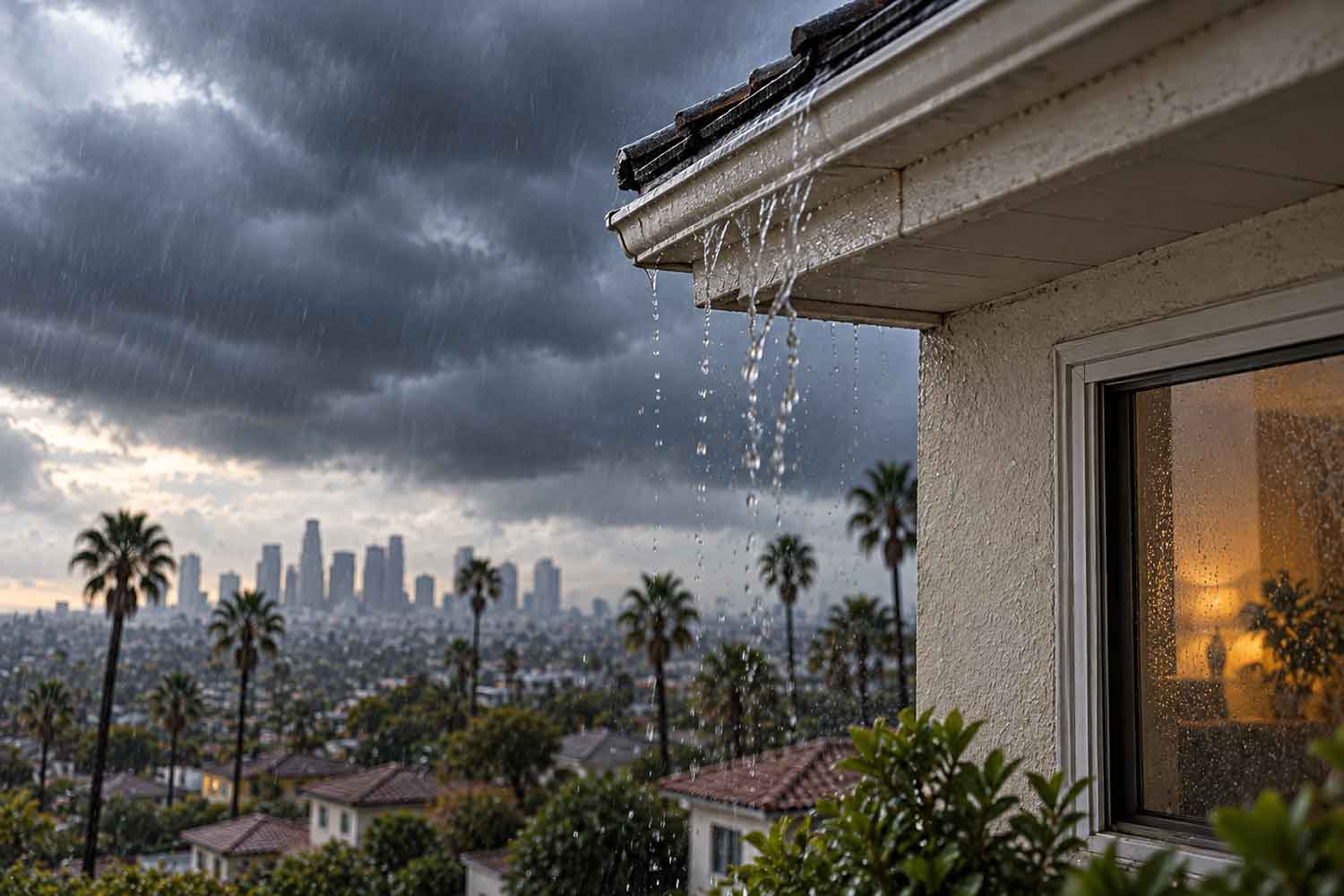

LA homeowners need to know that heavy El Niño rain can leave behind what we call “super humidity”: high indoor humidity combined with lingering moisture in walls, floors, and other building materials.
NOAA’s September 10, 2026 ENSO discussion reports that El Niño is strengthening, with more than a 90% chance of a very strong event during the Northern Hemisphere fall and winter of 2026–27. A stronger El Niño can increase the chances of El Niño-related impacts, but NOAA notes that those impacts are not guaranteed.
Repeated rain can keep exterior materials and soil wet for longer. When combined with poor ventilation, condensation, or hidden leaks, that moisture can move into areas that are difficult to see.
If moisture keeps returning, a water intrusion investigation identifies where water is entering the home before the problem gets worse.
The Recipe for Hidden Mold
During heavy El Niño patterns, repeated storms can leave exterior walls and other parts of your home wet for longer. When heavy rainfall combines with poor ventilation, indoor condensation, and hidden leaks, it can create the right conditions for mold growth inside walls and other concealed areas.
At Absolute Maintenance & Consulting, we break the math down simply:
More Moisture + High Humidity + Hidden Leaks = Better Conditions for Mold Growth
According to the EPA’s guide, mold growth is fundamentally a moisture problem. Mold spores are common indoors and outdoors, but they can begin growing when they land on damp materials and remain exposed to moisture.
A mold inspection locates mold growth and moisture problems when musty odors, visible spots, or other warning signs appear without an obvious source.
A major flood is not required for mold to develop. Repeated rain, high humidity, and small amounts of hidden moisture can be enough.
Mold can develop sooner than many homeowners expect after a water event, so knowing how fast mold grows after water damage can help you act before a small problem becomes harder to manage.
Why “Super Humidity” Can Become a Hidden Home Problem
Your home does not need standing water to have a moisture issue.
The EPA recommends keeping indoor relative humidity below 60%, with an ideal range of about 30% to 50% when possible. High humidity can increase the likelihood of condensation and mold growth.
Extended wet weather can make moisture problems harder to control.
Exterior Materials Stay Wet Longer
Walls, roofs, soil, decks, and other exterior materials can absorb or retain moisture during repeated rain events. If water cannot drain away properly, parts of the building may remain damp long after the weather clears.
Condensation Adds More Moisture
When warm, humid indoor air contacts colder surfaces, water can condense. Windows, exterior walls, pipes, and poorly insulated areas are common places for condensation to appear.
Everyday Activities Add Indoor Humidity
Cooking, showering, dishwashing, and using moisture-producing appliances all add water vapor to indoor air. Without proper ventilation, that moisture can build up.
Hidden Areas May Stay Damp
Moisture can become trapped behind materials where air movement is limited. Common areas to watch include:
- Inside wall cavities
- Behind baseboards
- Behind cabinets
- Above ceiling materials
- Under flooring
- Around windows and doors
- Near plumbing and HVAC components
The EPA recommends acting quickly when materials become wet or damp and drying them within 24 to 48 hours when possible.
The Mold You See May Not Be the Whole Problem
One of the easiest mistakes is treating visible mold as the entire problem.
A homeowner sees a dark spot on a wall, cleans it, and assumes the issue is gone.
The more important question is:
Why did that area become wet enough for mold to grow?
If water is still entering through the building envelope, condensation is still occurring, or indoor humidity remains high, cleaning the visible area will not address the underlying moisture source.
The EPA recommends fixing the moisture problem along with cleaning the mold. Otherwise, the conditions that allowed the mold to grow can remain in place.
When water intrusion has already affected walls, ceilings, flooring, or other materials, water damage restoration dry and restore the affected areas while the source of the moisture is addressed.
“Dry to the Eye” Does Not Mean the Area Is Dry
A wall can look normal while moisture remains inside the building assembly.
Paint can dry on the surface while framing, insulation, sheathing, or other materials behind it remain damp. A floor can feel dry while moisture remains below the surface. A ceiling can look clean while a leak has affected the materials above it.
Surface damage can give you an idea that moisture is present, but the damage may extend well beyond what you can see. Absolute Maintenance & Consulting uses moisture mapping, along with pin and pinless moisture meters, to measure and document moisture levels throughout residential and commercial properties.
‘Testing can cover 20 to 50+ points, creating a detailed record of where moisture is present, how saturated the materials are, and where the affected area ends.
This gives property owners a clearer picture of the actual extent of the water damage rather than relying only on what is visible.
Also Read: Why Does Pre-Storm Water Mitigation Matter for California Properties?
| What Most People See | What We Investigate |
| A small surface stain | Exterior water entry points |
| A faint musty smell | Hidden moisture pathways |
| Peeling paint | Moisture behind the wall assembly |
| Swollen baseboards | Water intrusion or prolonged dampness |
| Window condensation | Indoor humidity and cold-surface condensation |
| A dry-looking wall | Moisture conditions behind the surface |
The goal is to understand the moisture pathway rather than treat only the visible symptom. If exterior water entry is contributing to the problem, waterproofing may also be part of the solution to help protect vulnerable areas from future moisture intrusion.
Why Los Angeles Homes Can Be Vulnerable to Water Intrusion
Many Los Angeles homes use stucco as an exterior finish. For historic stucco homes, Los Angeles City Planning recommends preventing water leaks and specifically advises checking areas around the roof, chimney, windows, doors, and foundation.
Water management is also addressed in Los Angeles building guidance. LADBS construction details for stucco assemblies include components such as water-resistive barriers, building paper, weep screeds, and flashing around areas such as windows and doors.
Over time, weather exposure can affect sealants, flashing, drainage components, and exterior finishes.
Potential warning signs include:
- Cracks or deterioration in stucco
- Damaged or aging sealant around windows and doors
- Water staining near openings
- Blocked drainage paths
- Damaged flashing
- Poor drainage around the foundation
Los Angeles building documentation also includes requirements and details related to water-resistive barriers, flashing, exterior walls, and stucco assemblies, highlighting how important water management is within exterior construction.
The key point is simple: small exterior defects can become bigger moisture problems when water repeatedly reaches the same area.
Quick Checklist: What Should LA Homeowners Watch For?
After extended rainfall, take a closer look at both the inside and outside of your home.
Inside Your Home
Smells: Persistent musty or earthy odors can indicate an unresolved moisture issue.
Walls and ceilings: Watch for new staining, peeling paint, bubbling, discoloration, or swollen trim.
Windows: Repeated condensation may be a sign that indoor humidity is too high.
Closets: Damp or poorly ventilated closets can develop moisture problems, especially along exterior walls.
Floors: Cupping, warping, soft areas, or unexplained changes in flooring can warrant a closer inspection.
Outside Your Home
Look for:
- Cracked or damaged stucco
- Deteriorated window or door sealant
- Water staining around openings
- Standing water near the foundation
- Clogged gutters
- Blocked drainage paths
- Damaged roof areas
- Signs of water collecting near exterior walls
The EPA also recommends keeping gutters maintained and making sure the ground slopes away from the foundation so water does not collect against the building.
Suspect Hidden Moisture or Mold?
Do not wait for the next major storm to reveal a problem that may already be developing behind the surface. In our experience, moisture problems are not always obvious at first. Musty odors, recurring stains, peeling paint, condensation, or unexplained mold can all be signs that moisture is present somewhere it should not be.
We have seen how a small visible stain can point to a much larger moisture problem behind the surface. Our approach is to look beyond what is visible, identify where the moisture is coming from, and understand how far it has traveled.
If you suspect hidden moisture or mold in your Los Angeles home, contact Absolute Maintenance & Consulting to schedule an inspection. We can assess the affected areas and help determine the next steps based on what we find.
Frequently Asked Questions About Hidden Moisture and Mold
How long does a water damage inspection take?
The time depends on the size of the property and how extensive the suspected damage is. A small affected area may be checked quickly, while larger properties or more complicated moisture problems may require more testing.
Can moisture damage happen without visible mold?
Yes. Moisture can damage drywall, wood, insulation, flooring, and other materials before mold becomes visible. A property can have water damage even when there are no obvious mold spots.
Should I replace drywall after water damage?
Not always. The decision depends on the type of material, how much water it absorbed, how long it remained wet, and whether it can be properly dried and restored. An assessment can help determine if the material can be saved or needs replacement.
Can water damage cause problems weeks after a leak?
Yes. Moisture that remains trapped inside walls, ceilings, floors, or other materials can continue causing damage after the original leak has stopped. Delayed problems can include odors, material deterioration, and mold growth.
Why does my house still smell musty after everything looks dry?
A musty smell can come from moisture that remains in areas that are difficult to see, such as behind walls, under flooring, inside cabinets, or within other building materials. It can also indicate that materials were wet long enough to develop microbial growth.
Can you check for moisture under flooring?
Moisture testing determines if water remains below or around flooring materials. The appropriate testing method depends on the flooring type and the suspected source of moisture.
What should I do if a water stain keeps coming back?
A recurring stain should not simply be painted over. It may indicate that moisture is still reaching the area. Finding and correcting the source prevents the same damage from returning.
Can old water damage still be a problem if it happened months ago?
It can be. Previous water damage may leave behind affected materials or hidden moisture, particularly if the area was not fully dried or repaired. An assessment determine the current condition of the affected area.
About the Author
 Cameron Figgins
Cameron Figgins is the founder of Absolute Maintenance & Consulting. With over 30 years of hands-on industry experience, he specializes in identifying complex water intrusion issues in Southern California homes and is dedicated to helping homeowners protect their property with the latest in detection technology.”