
How Fast Does Mold Grow After Water Damage?
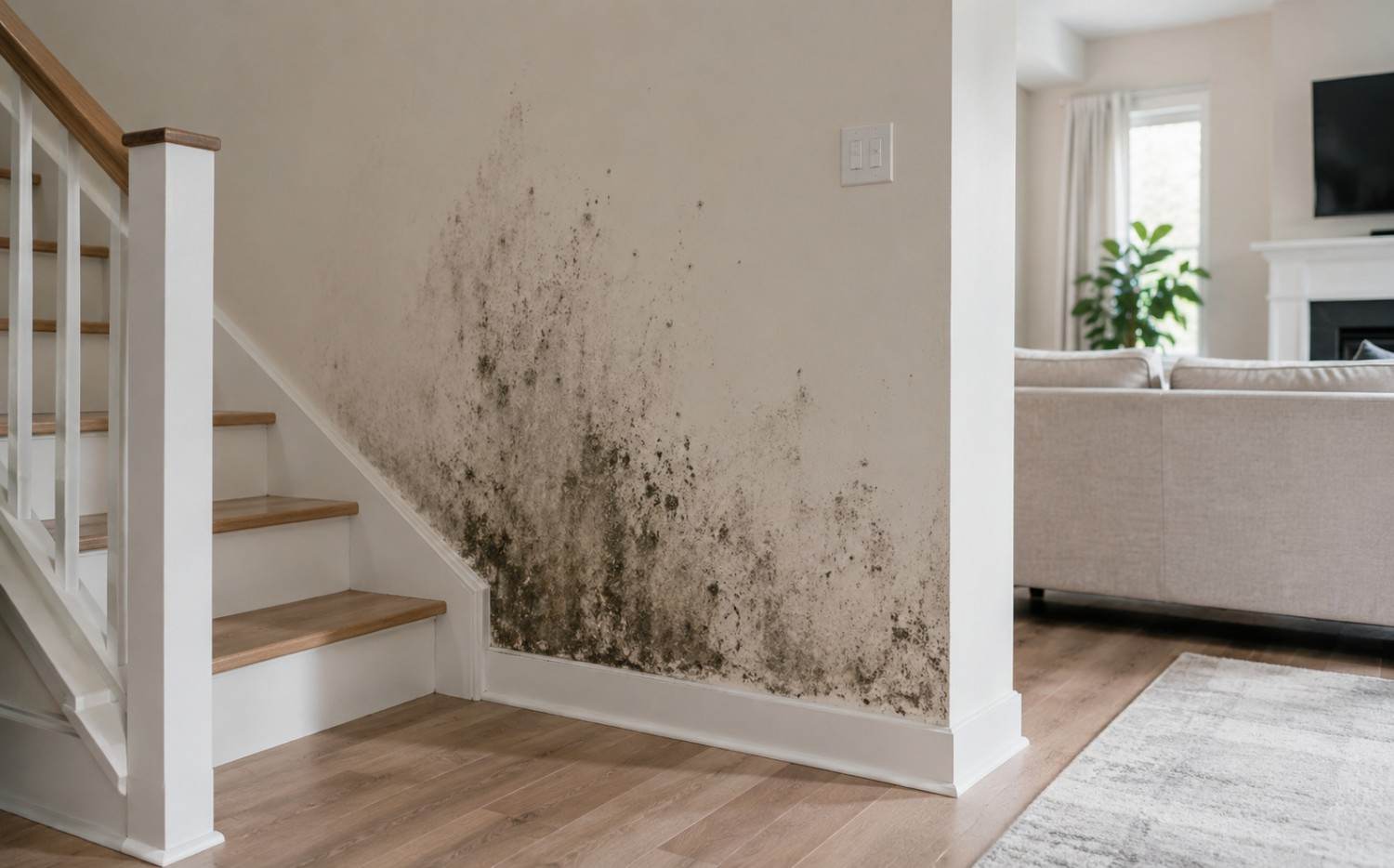

Mold spores can begin germinating within 24 to 48 hours of water intrusion. Visible surface growth typically appears within three to seven days when moisture and warm temperatures persist in enclosed materials like drywall or wood framing
For homeowners dealing with water intrusion, Water Damage services can help address moisture before it creates additional problems. Once mold is present, Mold Remediation may be needed to address the affected materials and underlying moisture source.
Why Does Mold Grow Faster on Some Building Materials?
Porous materials absorb and hold water longer than sealed surfaces, which is why drywall, wood framing, and carpet can sustain mold conditions long after the visible water is gone.
Common materials that can retain moisture include:
- Drywall: Paper backing can retain moisture after water exposure, creating conditions that support mold growth.
- Wood framing: Wood can hold moisture inside its fibers after a leak.
- Carpet and padding: Water can become trapped beneath the visible surface.
- Insulation: Wet insulation can remain damp inside wall or ceiling cavities.
- Wood cabinetry: Cabinets can absorb water through unfinished or damaged areas.
Less porous materials such as sealed surfaces, metal, and some plastics generally do not absorb water in the same way. However, surrounding materials can still retain moisture and create conditions for mold growth.
What Causes Mold to Develop After Water Damage?
Water damage does not always come from a major flood. A small, unresolved moisture source can keep an area damp long enough for mold to develop.
Common sources include:
- Plumbing leaks: A leaking pipe behind a wall can keep surrounding materials wet.
- Roof leaks: Water entering through the roof can spread into ceilings, insulation, and wall cavities.
- Window and door leaks: Failed seals can allow rainwater to enter surrounding building materials.
- HVAC condensation: Condensation can introduce moisture into ducts, ceilings, or nearby building assemblies.
- Foundation moisture: Water entering through foundation areas can affect floors and other materials.
- Poor ventilation: Areas with limited airflow can remain damp after water intrusion.
The source needs to be addressed before drying can be considered complete. For moisture entering through roofs, exterior walls, foundations, or other parts of the building envelope, Waterproofing can help prevent recurring water intrusion.
For a visual reference, see What Water Damage Looks Like for common signs homeowners may notice after water intrusion.
How Can You Stop Mold Growth After Water Intrusion?
The most important step is to address the moisture as soon as it is discovered.
Stop the Water Source
Repair the leak or stop the source of water before beginning the drying process. A damaged pipe, roof leak, or other active source can continue introducing moisture into the building.
Remove Standing Water
Water should be extracted from affected areas as quickly as possible. This reduces the amount of moisture available to spread into surrounding materials.
Check for Hidden Moisture
A surface can feel dry while moisture remains underneath or inside the material.
A professional Mold Inspection can use moisture meters, thermal imaging, and other inspection methods to identify areas that may not be visible during a standard inspection.
Dry the Structure Completely
Drying should continue until affected materials reach an appropriate moisture level rather than stopping when the surface simply feels dry.
Structural drying commonly takes about three to five days, but the actual timeline depends on the material, amount of water, accessibility, and location of the moisture.
What Happens If Mold Has Already Started Growing?
Drying alone may not resolve the problem once active mold growth is present. The response needs to address both the affected materials and the moisture source.
A professional remediation process may include:
- Inspection: Determine the location and extent of the affected area.
- Containment: Limit the spread of contaminated materials and airborne particles.
- HEPA filtration: Help control airborne particles during remediation.
- Material removal: Remove materials that cannot be effectively cleaned or restored.
- Cleaning and treatment: Address affected surfaces using appropriate remediation methods.
- Moisture correction: Repair the source that caused the problem.
- Drying: Bring remaining affected materials to appropriate moisture levels.
- Final verification: Confirm that the remediation and drying work is complete.
These steps are part of professional Mold Remediation when active growth has developed. Depending on the affected materials and extent of growth, Mold Removal may be part of the required work.
If mold continues returning after cleaning, the moisture source may still be present. Learn more about Why Mold Keeps Coming Back and the conditions that can allow recurring growth.
When Should You Get a Professional Mold Inspection?
A professional inspection can be useful when water has remained present for more than a day or two, when the source cannot be identified, or when moisture may have entered concealed areas.
This is especially important when you notice:
- Musty odors: A persistent odor can indicate moisture or microbial growth that is not immediately visible.
- Spreading water stains: Changes in the size or appearance of a stain can indicate continuing moisture.
- Recurring moisture: Moisture that repeatedly appears around windows, plumbing, or other areas can point to an unresolved source.
- Returning mold: Mold that comes back after cleaning may indicate that the underlying moisture problem has not been corrected.
- Persistent or hidden moisture: Materials that remain damp to the touch, or areas where moisture may be trapped inside walls or ceilings, warrant a professional moisture reading rather than visual inspection alone.
If you suspect mold or hidden moisture after water damage, Absolute Maintenance & Consulting can inspect the affected area and help determine the next step. Contact Absolute Maintenance & Consulting to schedule a professional mold inspection.
Frequently Asked Questions
Can Mold Start Growing in Less Than 24 Hours After a Leak?
Germination typically requires sustained moisture contact over at least several hours. Under normal indoor conditions, growth in under 24 hours is uncommon, but hot and humid environments can accelerate that window. Any delay in extraction increases the risk, especially for absorbent materials already saturated.
Does Mold Stop Growing Naturally Once Standing Water Dries on Its Own?
Not necessarily. Surface evaporation can leave a room looking dry while drywall, insulation, or subflooring remains wet underneath. That trapped moisture can continue supporting fungal growth.
Will Standard Household Fans Stop Mold From Developing After Water Intrusion?
Not on their own. Fans can help move air across a surface, but they may not remove moisture trapped inside drywall, insulation, or framing. Professional drying can help address moisture that remains inside affected materials.
How Long Does Water Damage Take to Dry?
A typical structural drying process may take around three to five days, but the timeline varies based on the amount of water, materials affected, airflow, accessibility, and whether moisture is trapped inside walls or other concealed areas.
Can Mold Grow Behind Drywall?
Yes. Moisture can become trapped inside wall cavities after a leak, allowing mold to develop behind drywall even when the visible surface appears dry.
Should I Remove Wet Drywall After Water Damage?
It depends on the extent of the damage, the type of material, and how quickly it can be dried. A professional assessment can help determine whether the material can be dried and restored or needs to be removed.
Can Mold Return After Professional Remediation?
How Do Professionals Know When an Area Is Dry?
Professionals can use moisture meters and other inspection methods to evaluate affected materials. The goal is to confirm that the structure has reached an appropriate moisture level rather than relying only on how the surface looks or feels.
About the Author
 Cameron Figgins
Cameron Figgins is the founder of Absolute Maintenance & Consulting. With over 30 years of hands-on industry experience, he specializes in identifying complex water intrusion issues in Southern California homes and is dedicated to helping homeowners protect their property with the latest in detection technology.”