
Why Does Pre-Storm Water Mitigation Matter for California Properties?
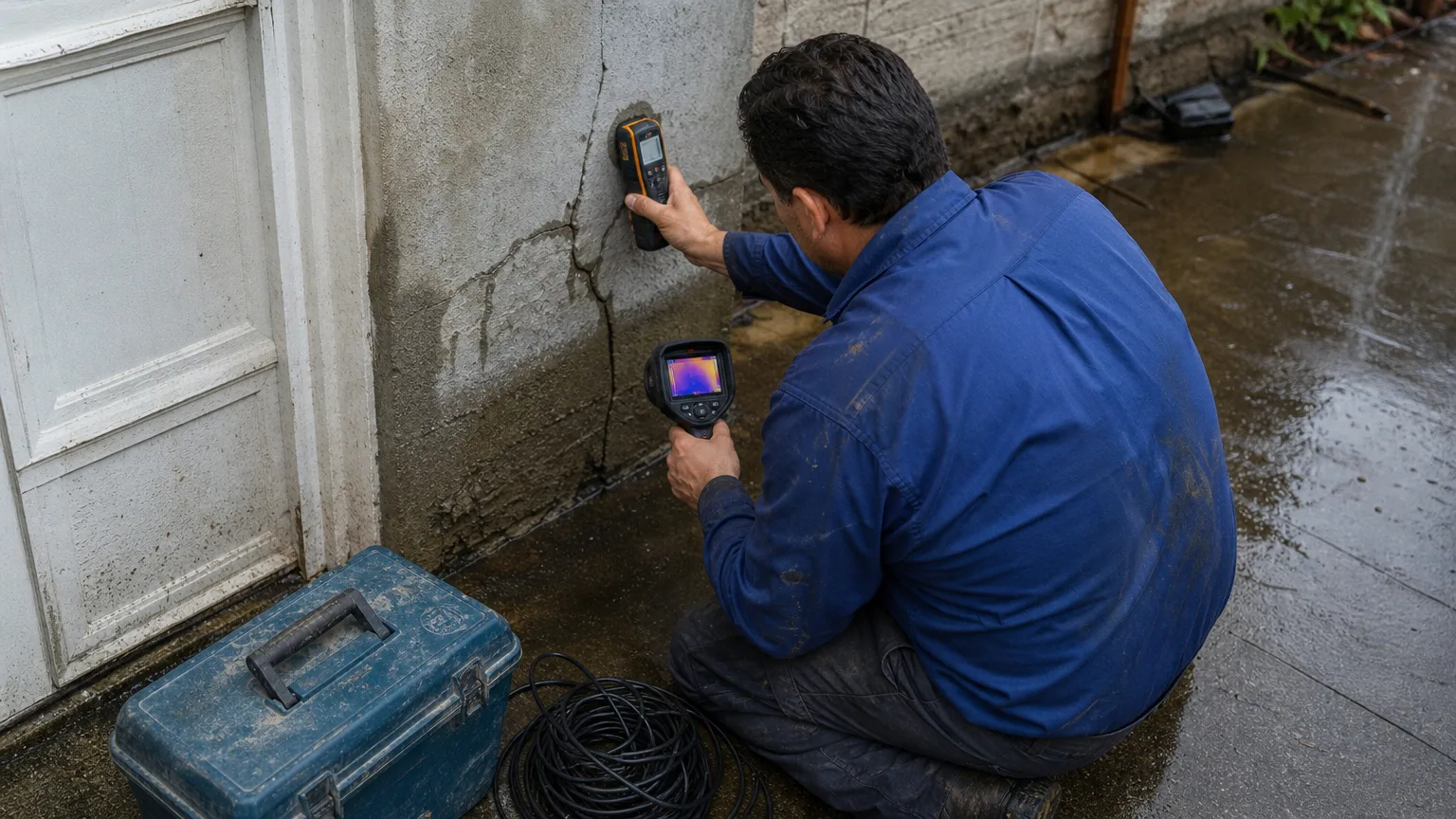

Pre-storm water mitigation is the practice of inspecting and preparing a property’s drainage, roofing, grading, and site controls before a major rain event so runoff is directed away from structures and toward safe capture or discharge points. I have spent many years crawling through attics, standing in flooded crawl spaces, and tracing water back to its source across Southern California properties. The pattern is always the same: the damage that costs thousands could have been prevented with a few hours of prep before the first big storm hit.
What Is Pre-Storm Water Mitigation?
Pre-storm water mitigation means checking and fixing the systems that control where rainwater goes before it starts falling in volume. That includes roofing, gutters, downspouts, site grading, drains, and pumps. Instead of reacting after water has already entered a building, mitigation focuses on directing runoff away from the structure and toward a place it can be safely captured or discharged.
This lines up with where California water policy has been heading. Stormwater used to be treated as pure nuisance, something to shove into a drain as fast as possible. The current thinking treats it as both a flood risk and a resource. Low impact development, or LID, practices like bioswales, permeable pavement, and rain gardens let water soak in close to where it falls instead of rushing off the property. On a home or commercial lot, that can mean a rain garden instead of a slab of concrete, or a permeable walkway instead of solid pavers.
Why Are California Storms Becoming More Unpredictable?
California’s biggest rain risk often comes from atmospheric rivers, narrow bands of concentrated moisture that can dump a year’s worth of rain in a matter of days, especially across Northern California. These storms arrive fast and don’t always give property owners much lead time.
El Niño patterns and a changing climate add more swing to the extremes. California can go from severe drought to flood warnings within the same year, a pattern people in the industry call weather whiplash. The California Water Plan treats stormwater capture as a way to build drought preparedness into the system, not just flood control.
Southern California carries its own version of this risk. Burned watersheds shed water fast during the first heavy rains after a fire, which raises flash flood risk in canyon and hillside areas. At the same time, that same runoff is an opportunity. Captured well, it can support groundwater recharge instead of washing straight out to the ocean.
Why Does Deferred Home Maintenance Increase Storm Risk?
Deferred maintenance is any repair or inspection that gets pushed off, gutters, downspouts, flashing, caulking, site grading, that quietly piles up during the dry months. California’s long dry stretches make it easy to forget about the roof until the first storm hits.
The common failure points I see on jobs:
- Clogged gutters that overflow and dump water straight down the foundation wall.
- Failed roof seals and cracked flashing that let water in during the very first heavy rain of the season.
- Settled or reversed grading that quietly redirects runoff toward the house instead of away from it.
There is no need for a dramatic statistic here. Anyone who has done this work long enough knows that regular maintenance is the cheapest flood risk reduction tool available. A clogged gutter costs almost nothing to clear in October. The same clog, ignored, can lead to a soaked wall cavity and a mold remediation job in February. A thorough pre-storm check catches the small stuff, moss buildup, a blocked area drain, before it becomes an emergency call.
What Are the Warning Signs a Property Isn’t Storm-Ready?
A property isn’t storm-ready if it shows visible drainage neglect, standing water near the foundation, or interior staining from past leaks. These signs are usually easy to spot in dry weather and almost always point to bigger problems once heavy rain arrives.
Visual, dry-weather indicators:
- Sagging gutters full of leaves and debris
- Downspouts disconnected from drain lines or dumping right next to the foundation
- Debris buildup in roof valleys
- Cracked or missing caulking around windows and doors
Grading problems:
- Water pooling near the foundation after even a light rain
- Visible soil erosion channels
- Slopes that clearly funnel runoff toward the building instead of away from it
Mechanical signs:
- A sump pump that hasn’t been tested in months, or one showing rust
- Slow-draining area drains or catch basins full of silt
Structural clues:
- Peeling paint or water stains on interior walls
- Musty odors in crawl spaces
- Evidence of past mold remediation that was never followed up with a fix to the source
If you’re already noticing leaks after rain, it’s worth reading about why rain leak detection in Los Angeles matters for a closer look at how small leaks get missed.
How Does Stormwater Capture Benefit Homeowners and the Community?
Stormwater capture benefits property owners by reducing local flood risk and supporting groundwater recharge, while also cutting down on runoff-related fees and pollution. California’s 2025 Urban Stormwater Runoff Capture and Management framework treats this as a multi-benefit strategy, not a single-purpose flood fix.
The scale of the opportunity is real. U.S. Bureau of Reclamation estimates suggest local stormwater capture projects could provide roughly 31,100 acre-feet per year in a middle-climate scenario, while broader regional strategies could push that number to around 191,100 acre-feet per year.
For an individual homeowner, this can look like:
| Feature | Homeowner Benefit |
|---|---|
| Rain garden | Absorbs runoff, adds landscaping value |
| Cistern or rain barrel | Stores water for dry-season irrigation |
| Permeable pavement | Reduces pooling and runoff volume |
| Bioswale | Slows and filters runoff before it leaves the lot |
At the community level, Measure W, passed in Los Angeles County in 2018, funds multi-benefit projects that create green space, support habitat, and improve water supply reliability. Adopting LID features on a residential or commercial lot contributes to that same watershed health, even at a small scale.
What Happens If Water Intrusion Isn’t Addressed Before a Storm?
Water intrusion left unaddressed before a storm can damage drywall, insulation, and flooring within hours, and it often leads to mold growth within one to two days of moisture exposure. The longer it goes unnoticed, the more expensive and invasive the fix becomes.
I’ve opened up wall cavities where the wood had been wet for weeks before anyone noticed a stain on the paint. By that point, rot had already set in, and pests had started moving through the softened wood. Electrical systems near that kind of chronic moisture are also at risk of failure. These are not cheap repairs once they reach that stage.
Insurance is often less help than people expect. Policies frequently limit or exclude coverage tied to deferred maintenance or a lack of pre-storm preparation. That makes proactive mitigation less of an option and more of a financial necessity. If you want a deeper look at how these hidden leaks develop, I wrote about it in why post-winter rain leak detection matters for LA homes.
How Can Absolute Maintenance & Consulting Prepare Your Property Before the Next Storm?
We inspect the whole water path on a property, roof, gutters, downspouts, grading, site drains, sump pumps, and any existing stormwater capture features, to see where a storm is likely to cause trouble. From there we handle gutter and drain maintenance, roof flashing and caulking repair, and re-grading work where runoff is heading the wrong direction.
For commercial properties, we help with SWPPP compliance and pre-storm inspection protocols, and we can help design LID features like bioswales and permeable pavement into a site plan. If a property has a history of chronic leaks, our water intrusion inspection services dig into the building envelope to find where water is actually getting in, not just where it shows up.
Every property has its own storm exposure depending on its microclimate, hillside grading, and roof age, so we build maintenance plans around that rather than a one-size-fits-all checklist. Where waterproofing membranes or sealants are already failing, our waterproofing services in Los Angeles address the building envelope directly instead of just patching symptoms. And for properties that have already taken on storm damage, our storm damage restoration services get the structure dried out and repaired.
If your property has never had a pre-storm walkthrough, or it’s been years since the last one, Get a Free Quote and let’s find the weak points before the next storm does.
Frequently Asked Questions
What is pre-storm water mitigation?
Pre-storm water mitigation is the inspection and repair of a property’s roofing, gutters, drainage, and grading before a major rain event, done specifically to direct runoff away from the structure and toward a safe discharge or capture point.
How is pre-storm mitigation different from water damage restoration?
Pre-storm mitigation happens before a storm to prevent damage. Water damage restoration happens after water has already entered a structure, focusing on drying, repair, and often mold remediation once moisture has caused harm.
Do California homes need to worry about hurricanes?
California is not typically exposed to hurricanes. The real risk comes from atmospheric rivers and intense Pacific storm systems, which can deliver extreme rainfall in a short window and overwhelm unprepared drainage and roofing systems.
Can stormwater capture help during droughts?
Yes. Stormwater capture supports groundwater recharge and adds to local water supply reliability, which the California Water Plan specifically frames as a tool for drought preparedness in an increasingly unpredictable climate.
What are the first signs a home isn’t storm-ready?
Sagging or debris-filled gutters, disconnected downspouts, cracked caulking around windows, water pooling near the foundation after light rain, and interior staining or musty odors are early signs a property needs pre-storm attention.
Why does postponing home maintenance increase storm risk?
Deferred maintenance lets small problems, like a clogged gutter or a cracked roof seal, sit unaddressed until a heavy storm forces water through them. What would have been a minor fix often turns into water intrusion or mold remediation.
About the Author
 Cameron Figgins
Cameron Figgins is the founder of Absolute Maintenance & Consulting. With over 30 years of hands-on industry experience, he specializes in identifying complex water intrusion issues in Southern California homes and is dedicated to helping homeowners protect their property with the latest in detection technology.”