
Why Is Rain Leak Detection In Los Angeles So Important?
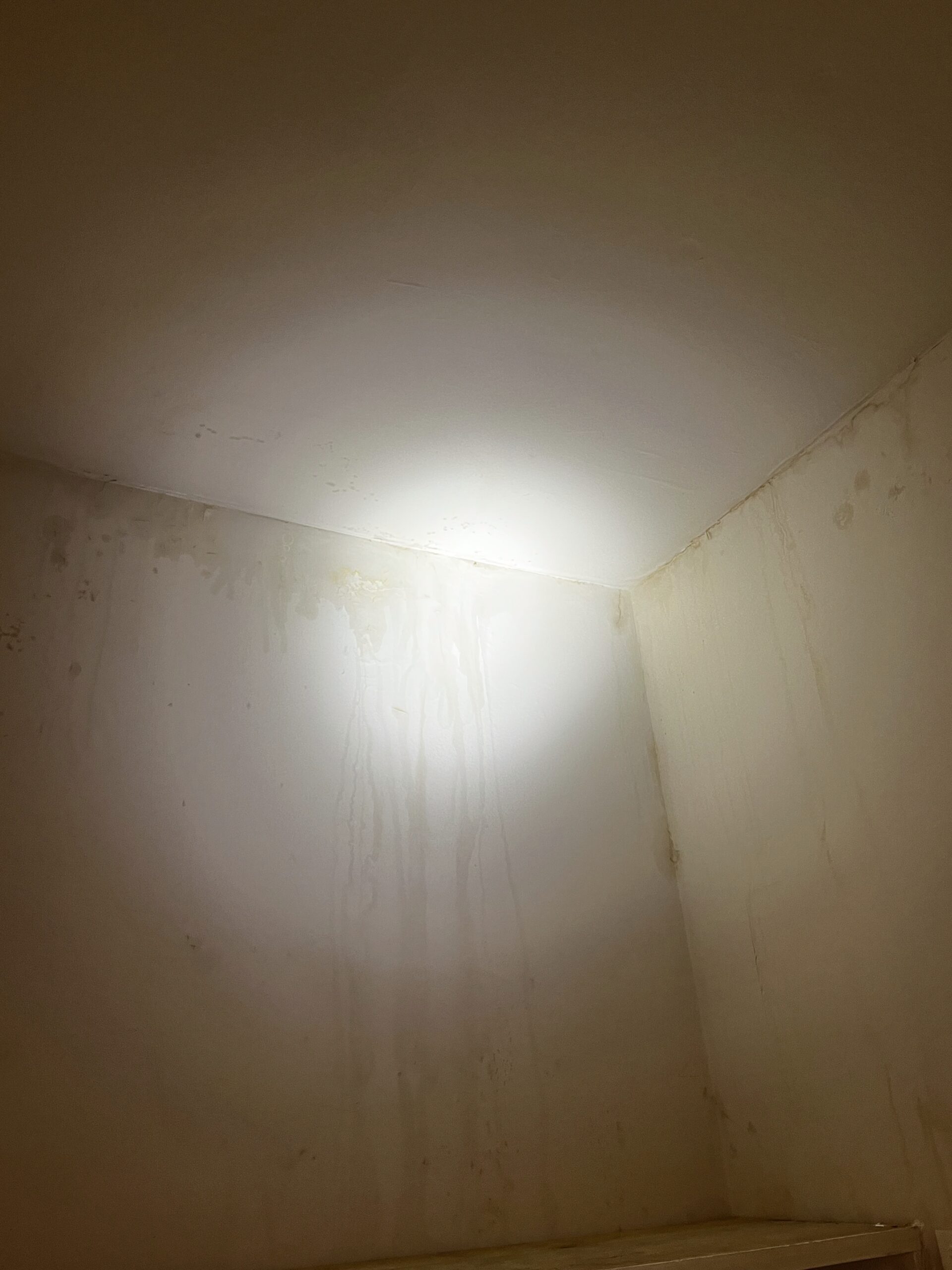

Rain leak detection in Los Angeles is the process of identifying water intrusion entering a building through failures in roofs, windows, façades, or flashing. This is critical because the city’s aging housing stock, combined with increasingly intense storms, creates a high risk for hidden structural damage and mold growth. I have spent over three decades finding these leaks, and I can tell you that waiting until you see a stain on the ceiling is often too late.
How Does Rain Leak Detection Differ from Plumbing Leak Detection?
Rain leak detection focuses solely on water that enters your building from the outside due to weather. This is not about a burst pipe under the sink. Rain leaks are driven by gravity and wind, and they are intermittent. A plumbing leak from a pressurized supply line is constant and obvious, often showing as a dripping sound or a wet spot that stays wet. Rain leaks are intermittent and can be invisible for months.
The tools are also completely different. For rain leak detection, I rely on a moisture meter, infrared thermography, and a calibrated water spray test. These specialized tools are not used for plumbing. Plumbing leaks are often found with acoustic listening devices or pressure testing. Rain leak detection requires simulating weather, not just finding a wet pipe.
Why Is Los Angeles Particularly Vulnerable to Rain Leaks?
Los Angeles has a massive stock of homes and commercial buildings built before 1980. These structures often have outdated waterproofing, original flashing that has corroded, and roofing materials that have baked in the sun for decades.
In recent years, we have seen a shift in our weather. Atmospheric rivers bring intense short-duration storms. These storms dump a month’s worth of rain in a day, overwhelming drainage systems and exposing every weak point in old sealant. Our dry summers also cause materials like caulk, stucco, and roofing underlayment to shrink and crack. When the first heavy rain hits, water finds those cracks instantly. The California Building Code (Title 24) requires specific waterproofing standards, but many older properties were built before these codes were enforced, leaving them vulnerable.
What Are the Hidden Dangers of Undetected Rain Leaks?
The biggest danger is that you cannot see the damage until it is severe. Water from a roof leak can travel sideways along a ceiling joist and run down a wall cavity two rooms away. You might never see the entry point.
Structural Damage and Costly Repairs
Persistent moisture from water intrusion rots wood framing and compromises drywall. I have seen sagging floors and roof deck rot that required tens of thousands of dollars in structural reinforcement. Repair costs escalate fast. Replacing drywall, insulation, and flooring after a hidden leak can run from $5,000 to $20,000 or more. The scary part is that insurance claims for hidden water damage are often denied if routine maintenance neglect is proven. Spending $650 on a professional inspection is smart business compared to a $20,000 repair bill.
Mold Growth and Health Risks
Stagnant moisture from a rain leak creates an ideal environment for mold growth within 24 to 48 hours. Mold spores colonize in hidden areas behind walls or under flooring. The health impacts are well documented by the CDC and EPA, including allergic reactions, asthma exacerbation, and chronic sinus infections. Children and seniors are especially vulnerable. Mold remediation is expensive, starting at $2,275 to $2,900 for a small project and rising with the extent. Professional detection with a moisture meter and infrared thermography identifies wet zones before mold becomes visible, which is far cheaper and healthier than remediation.
What Does the Professional Rain Leak Detection Process Involve?
I follow a three-step diagnostic protocol that has proven effective across thousands of properties in Los Angeles. It is thorough and non-destructive.
Visual Inspection of Exterior and Roof
First, I walk the roof and the perimeter. I look for missing or damaged shingles, cracked flashing around chimneys and vents, clogged gutters, and deteriorated sealant. In Los Angeles, I pay special attention to sun-damaged materials, like dry rot in wood trim and brittle seals around windows. I also check the attic and crawlspace for past water stains or rotting wood.
Moisture Meter Scanning
Next, I use a non-invasive moisture meter. This pinless tool measures the moisture content in drywall and wood without drilling holes. I scan the interior walls near the windows and the roofline. If I find a reading that is higher than the baseline dry material, I know there is hidden moisture. This step is critical for finding leaks that show no visible stain.
Advanced Testing: Infrared Thermography and Water Spray Tests
If the moisture meter indicates wet areas, I bring in an infrared thermography camera. This camera detects temperature differences between wet and dry materials, allowing me to see the exact footprint of the water intrusion behind the wall. Then I perform a calibrated water spray test. I spray water on the exterior in a controlled pattern to simulate rain while my team monitors the interior. This traces the exact path of the leak. These methods are non-destructive and pinpoint the failure point, saving you the cost of exploratory demolition.
How Much Does Professional Rain Leak Detection Cost in Los Angeles?
Initial visual inspections generally start around $250. A comprehensive assessment that includes a water spray test and infrared thermography typically begins at $650. Costs vary based on the size of your property and the complexity of the leak. Compare that to the average hidden leak repair cost of $2,000 to $10,000. Early detection pays for itself. I recommend checking with your insurance provider because some policies cover detection costs if a leak is found.
What Preventive Maintenance Can Homeowners Do?
Preventive maintenance is your best defense against costly water intrusion. It does not have to be complicated.
Semi-Annual Deep Inspections
Schedule professional inspections in the spring, after the rainy season, and again in the fall, before the winter storms. These deep inspections should include a roof walk (where safe), gutter cleaning, a check of all flashing, and a moisture meter scan of interior walls. In Los Angeles, the long dry period can hide leaks that only become active during winter rain.
Monthly Visual Checks
You can do a quick walk-around yourself. Use binoculars to inspect roof edges and chimney flashing for damage. Look for missing shingles, debris in gutters, or cracked sealant around windows. Inside, check your attic for daylight coming through, which indicates an opening for water. Pay attention to musty smells; that is a sign of moisture.
When Should You Call a Professional Rain Leak Detection Service?
Call immediately if you see visible water stains, peeling paint, or dampness on a wall or ceiling after a storm. If you suspect a hidden leak because of a musty odor, unexplained humidity, or higher energy bills, do not wait. After a major storm, even without visible signs, a professional inspection is a smart move. If you are buying or selling a property in Los Angeles, a rain leak detection assessment can prevent surprises and ensure the property meets current building code standards. And if you see or suspect mold, call a specialist who can combine leak detection with a mold inspection for comprehensive safety.
If you own a property anywhere in the Greater Los Angeles area and are concerned about hidden damage from the recent storms, Get a Free Quote. We have local teams ready to respond today.
Frequently Asked Questions
My house is old; do I really need rain leak detection if it hasn’t rained much?
Yes. Older homes have degraded flashing and caulk. Intense, short rain events in Los Angeles can penetrate these weak points even after a long dry spell. Mold can also grow from residual moisture trapped inside the walls.
What are the first signs of a rain leak I should look for?
Look for peeling paint, bubbling or wavy drywall, sagging ceilings, musty odors, and water stains on ceilings or walls near the exterior. Warped flooring near exterior walls is another strong indicator.
Can I detect a leak myself with a moisture meter from a hardware store?
You can buy a basic moisture meter for $40 to $80, but personal-use tools are less accurate than professional-grade instruments. You can find a wet wall, but finding the exact entry point requires experience and advanced tools like infrared thermography and calibrated water spray tests. It is easy to miss a small leak that will cause significant damage.
How often should I have professional rain leak detection done?
At least twice a year. Schedule a professional inspection in the spring to assess any damage from the rainy season and another in the fall to prepare your property for the winter storms.
Does rain leak detection include mold inspection?
Yes, at my company it does. If we find moisture during our detection process, we can conduct a mold inspection to assess the extent of the mold growth. We specialize in mold remediation, so we can address both the leak and the health hazard in one visit.
What areas of Los Angeles does Absolute Maintenance & Consulting serve?
We serve all of Los Angeles County, including West Los Angeles, Santa Monica, Beverly Hills, Century City, Downtown LA, the San Fernando Valley, Pasadena, Glendale, and the South Bay. Our teams are local and can respond quickly to any property in the region.
Does the inspection fee go toward the repair?
Yes. If we also do the repair, the full inspection cost goes toward it.
What credentials should I look for in a rain leak detection contractor?
Look for a licensed California contractor. Absolute Maintenance & Consulting holds CSLB license 998184, is IICRC certified under 70018676, and is a MICRO Certified Firm, with over three decades in this work. We handle residential and commercial properties.
About the Author
 Cameron Figgins
Cameron Figgins is the founder of Absolute Maintenance & Consulting. With over 30 years of hands-on industry experience, he specializes in identifying complex water intrusion issues in Southern California homes and is dedicated to helping homeowners protect their property with the latest in detection technology.”