
Mold Remediation Cost in Los Angeles
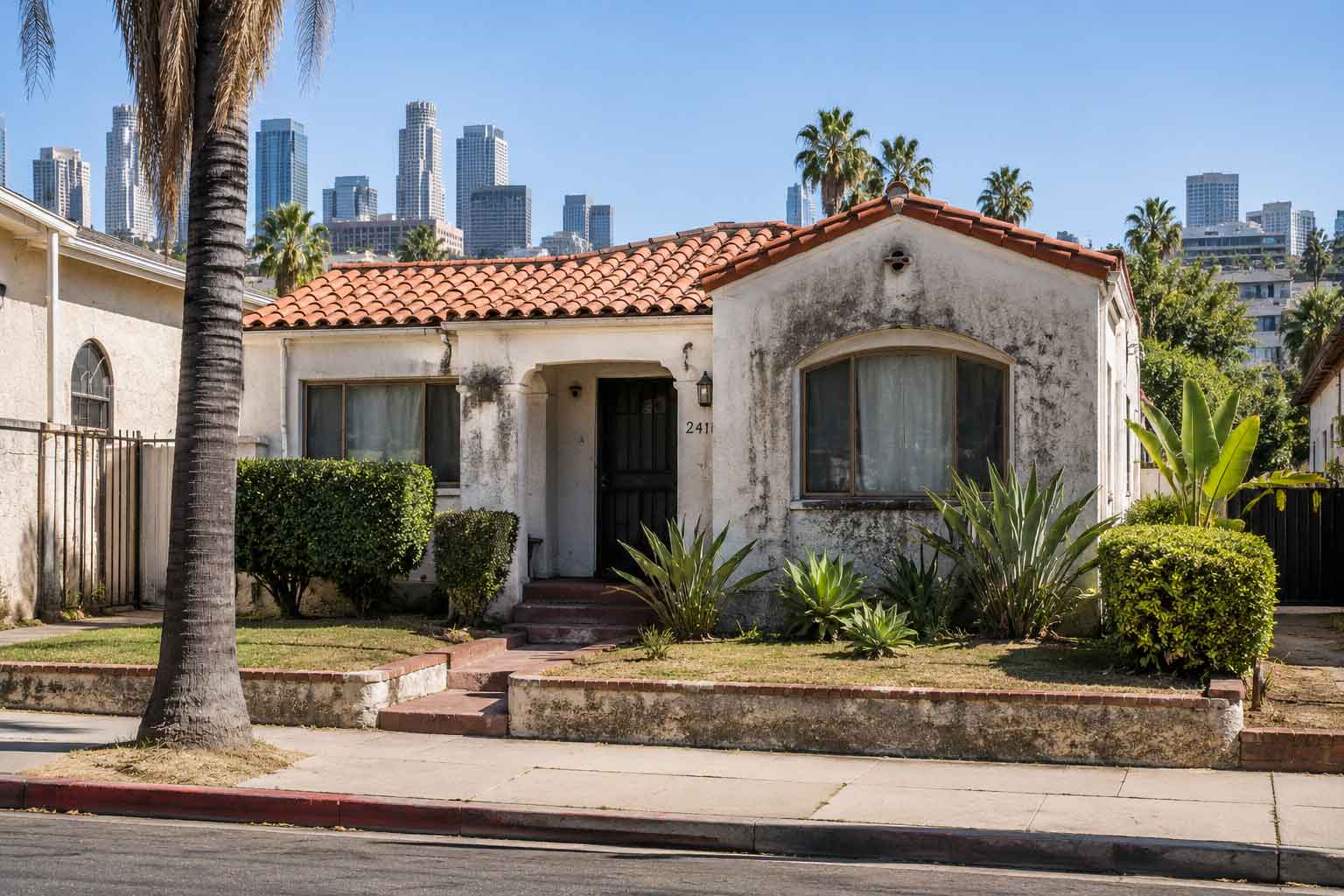

In Los Angeles, residential mold remediation runs $2,275 to $2,900 for a small project (up to 3,000 sq. ft.) and $3,000 to $10,000 for a medium project (3,000 to 10,000 sq. ft.), depending on the size of the affected area, how long the moisture has been present, and the extent of structural or HVAC involvement. Smaller, contained issues like a bathroom wall or single-room surface mold typically fall on the lower end. Attic, crawl space, or widespread contamination pushes costs toward the higher end. A professional mold inspection ($375 to $575, credited toward remediation when we do the work) is the most accurate way to determine total cost before work begins.
How Much Does Mold Remediation Cost in Los Angeles?
Pricing for mold remediation in Los Angeles depends heavily on how far the mold has spread and what materials are affected. Surface-level mold cleanup is significantly less expensive than remediation involving drywall removal, insulation replacement, or HVAC contamination. Our walkthrough of the mold remediation process shows what each of those steps involves.
Los Angeles homes also face unique moisture challenges due to year-round humidity, coastal air, and common stucco envelope failures, which often allow water intrusion behind walls and create hidden mold conditions long before visible mold appears.
Mold Remediation Cost Per Square Foot
We price mold remediation by project size rather than by the square foot: small projects up to 3,000 sq. ft. run $2,275 to $2,900, medium projects from 3,000 to 10,000 sq. ft. run $3,000 to $10,000, and large projects from 10,000 to 50,000 sq. ft. run $10,000 to $50,000 or more.
Containment is required and included in the project minimum. Attic remediation runs $2,500 to $5,800 and crawl space remediation runs $2,850 to $6,800, depending on square footage and access conditions.
These ranges are based on typical Los Angeles residential project scope. An on-site inspection is the only reliable way to confirm actual cost for a specific property.
What Affects the Cost of Mold Remediation?
Mold remediation pricing varies significantly based on the specifics of each job. Several factors determine if a project stays near the lower end of the range or becomes a full structural remediation.
How Long Moisture Has Been Present
The longer water sits inside a structure, the more extensive the damage becomes. Short-term leaks may only affect surface areas. Long-term exposure leads to deep mold penetration in framing and insulation.
Size and Spread of Contamination
A small, contained area costs significantly less to treat than widespread mold growth across multiple rooms or structural cavities.
Structural Damage
If mold has reached framing, subflooring, or insulation, removal and reconstruction increase overall cost. This is also when mold removal becomes a more involved process than surface treatment alone.
HVAC System Involvement
When mold enters ductwork, remediation becomes more complex and expensive due to system cleaning, containment, and air quality testing requirements. HVAC-related mold is typically quoted separately from the main remediation scope.
What Drives Mold Remediation Costs Down?
Catching mold early is the single most effective way to keep costs manageable. When contamination is limited to surface materials and has not reached structural components, the scope of work stays narrow and pricing stays closer to the lower end of the range.
Early Detection
Surface-only mold caught before it spreads into framing or insulation requires less labor, fewer materials, and no reconstruction. A timely inspection is what makes early detection possible.
Contained Affected Area
When mold is isolated to one room or one wall, containment barriers are simpler and removal is faster. Costs rise when multiple areas are involved or when mold has spread through shared wall cavities.
No Structural Damage
Jobs that do not require drywall removal, insulation replacement, or subfloor work are significantly less expensive. Keeping moisture issues from going undetected is the most reliable way to avoid structural remediation costs.
Mold Remediation Cost Breakdown by Area of the Home
The cost varies depending on where mold is found and how difficult it is to access.
| Service Type | What’s Included | Typical Cost Range |
| Mold Inspection | Thermal imaging, moisture mapping, written report | $375 to $575 (credited toward remediation) |
| Bathroom Mold | Surface mold removal, containment | $2,275 to $2,900 (small project) |
| Single Room | Containment, removal, cleaning, partial drywall if needed | $2,275 to $2,900 (small project) |
| Attic Remediation | Insulation removal, treatment, ventilation assessment | $2,500 to $5,800 |
| Crawl Space | Restricted access, moisture control, specialized equipment | $2,850 to $6,800 |
| HVAC Contamination | Duct cleaning, system treatment, air quality testing | Custom estimate based on system size |
Is a Mold Inspection Worth It Before Remediation?
Yes. It prevents guesswork and ensures accurate pricing before work begins. A professional mold inspection includes thermal imaging scans, documented moisture mapping, surface testing, and a written remediation report that outlines the full extent of contamination.
The Basic Inspection costs $375 to $575 and is credited toward remediation when we do the work, making it a low-risk first step for any homeowner who suspects hidden mold.
Does Homeowners Insurance Cover Mold Remediation?
In some cases, yes. Coverage depends on the cause of the moisture.
Insurance is more likely to cover mold remediation when it results from a sudden, accidental event such as a burst pipe. That said, long-term neglect, slow leaks, or unresolved moisture issues are often excluded.
Homeowners navigating claims may also need guidance with filing a water damage insurance claim, especially when mold is discovered as a secondary issue after water intrusion. Documenting the moisture source and timeline is important when working with an adjuster.
Read More: Does Homeowner’s Insurance Cover Mold Remediation in California?
Why Is Mold So Common in Los Angeles Homes?
Los Angeles has several environmental and structural factors that increase mold risk compared to other regions.
Year-Round Coastal Humidity
The marine layer brings consistent moisture into homes, especially in coastal and hillside neighborhoods. Even without rain, ambient humidity creates conditions where mold can develop in poorly ventilated spaces.
Stucco Envelope Failures
Stucco exteriors are common in LA, but cracks and seal failures allow water to penetrate behind the surface. Once moisture is inside the wall assembly, it has no clear path to dry out. Over time that trapped moisture saturates framing and creates sustained hidden mold conditions that often go undetected for months before any visible sign appears inside the home.
Delayed Detection in Dry Climates
Because LA is not traditionally seen as a wet climate, homeowners often overlook early moisture signs until mold is already established. By the time a stain or smell appears, the contamination is usually further along than it looks.
Also Read: How to Get Rid of a Musty Smell in Your Basement
How Do You Get an Accurate Mold Remediation Estimate?
The only way to get a reliable cost is through a professional on-site evaluation. Since mold spreads behind walls, under flooring, and into HVAC systems, visual inspection alone is not enough.
A licensed team providing mold remediation services in Los Angeles will assess contamination, determine moisture sources, and provide a full scope of work based on actual conditions, not guesswork. Early inspection and targeted remediation keeps costs from escalating toward the higher end of the range.
Need Professional Mold Remediation in Los Angeles?
If you suspect mold in your home, the safest next step is a professional evaluation. Absolute Maintenance & Consulting provides expert mold remediation services in Los Angeles, along with detailed inspections and moisture diagnostics to identify hidden issues before they spread.
Schedule an inspection today to understand the true extent of the problem and get a clear, accurate remediation plan before damage worsens. Call us at (310) 678-4345.
FAQs
What is the most expensive type of mold remediation?
Attic, crawl space, and HVAC-related mold are usually the most expensive due to accessibility and system-wide contamination.
Does insurance cover mold remediation in California?
It depends on the cause. Sudden water damage events are more likely to be covered. Long-term leaks or deferred maintenance are typically excluded. Proper documentation of the moisture source helps when filing a claim.
Why is mold so common in Los Angeles homes?
Coastal humidity, stucco envelope failures, and hidden moisture intrusion are the most common causes.
Can mold come back after remediation?
Yes. If the underlying moisture source is not properly fixed, mold can return.
How long does mold remediation take?
Most projects take 1 to 5 days depending on size and severity.
Should I test for mold before remediation?
Yes. A professional inspection includes thermal imaging, moisture mapping, and a written report. At $375 to $575, credited toward remediation when we do the work, it is the most accurate way to understand the full scope before work begins.
About the Author
 Cameron Figgins
Cameron Figgins is the founder of Absolute Maintenance & Consulting. With over 30 years of hands-on industry experience, he specializes in identifying complex water intrusion issues in Southern California homes and is dedicated to helping homeowners protect their property with the latest in detection technology.”