
What Are the Symptoms of Mold Exposure in Los Angeles Homes?
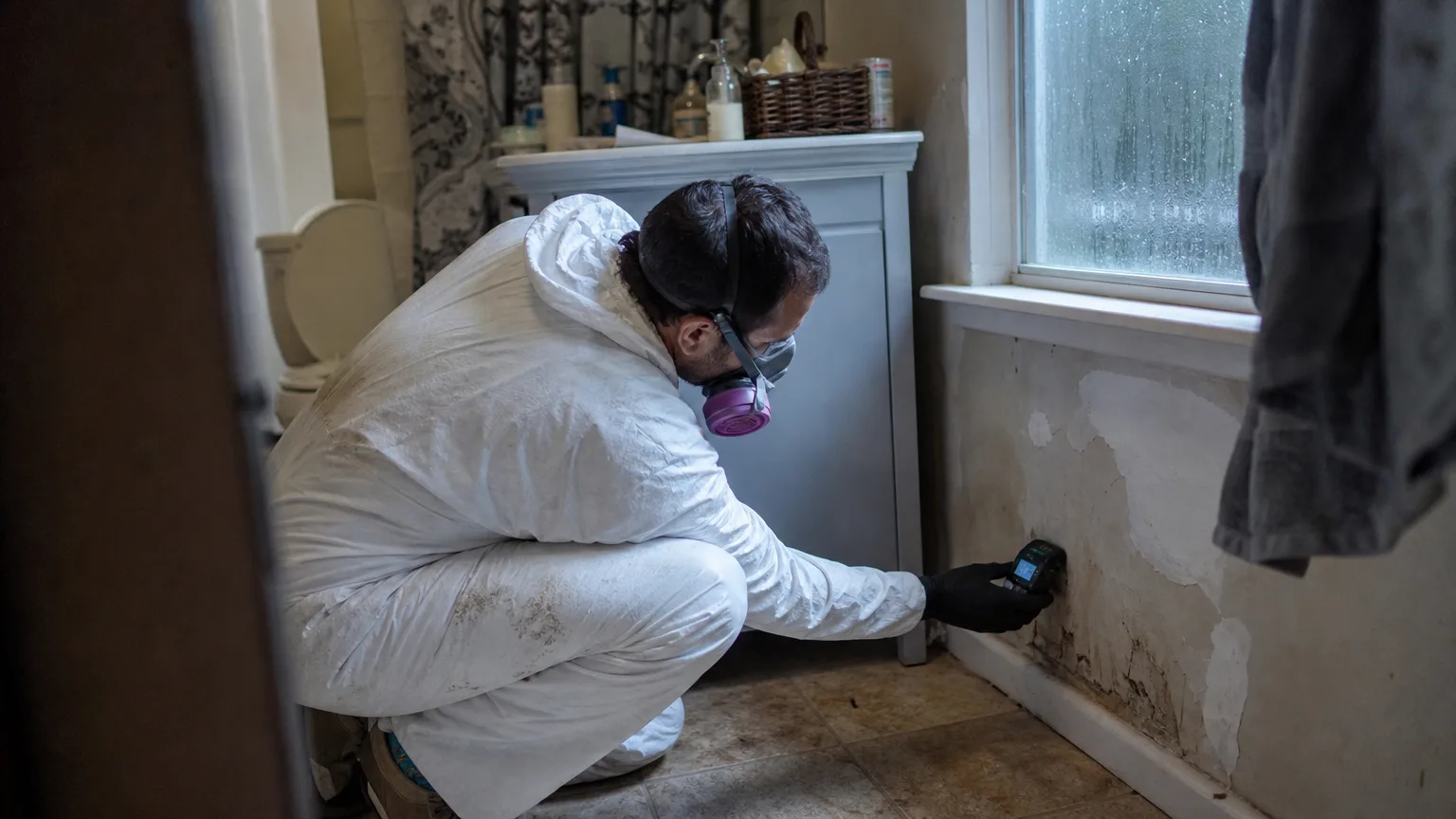

Yes, mold can make you sick; consider a professional mold inspection. In my many years crawling through attics, crawl spaces, and flooded bathrooms across Los Angeles, I’ve seen mold trigger allergic reactions, asthma attacks, and irritation of the eyes, skin, nose, throat, and lungs in homeowners who had no idea mold was even in their house. That said, most people exposed to typical household mold don’t get seriously ill. The real danger is ignoring the moisture problem that’s feeding it.
What Is Mold and How Does It Affect Your Health?
Mold is a fungus. It produces allergens, irritants, and sometimes mycotoxins, and those three things are behind almost every health complaint I hear from clients. When you inhale or touch mold spores, your immune system reacts. For most people, that reaction looks like hay fever: sneezing, itchy eyes, a scratchy throat.
For the vast majority of homeowners, typical household mold does not cause serious illness. Severe fungal infections are rare and almost always limited to people with severely suppressed immune systems. The EPA and CDC both agree on one thing above all else: moisture control is the single most effective way to prevent mold, because mold simply cannot grow without water. I’ve never once found a mold colony in a home without finding a water source within a few feet of it.
Allergens, Irritants, and Mycotoxins Explained
These three terms get thrown around loosely, but they mean different things.
- Allergens are proteins on mold spores that trigger your immune system to release histamine. This causes sneezing, a runny nose, red eyes, and skin rashes in sensitive people.
- Irritants are volatile organic compounds mold gives off. These can bother even non-allergic people, causing coughing, throat discomfort, and headaches.
- Mycotoxins are toxic compounds some molds produce, like Stachybotrys chartarum. Public fear around mycotoxins runs high, but the actual health effects of breathing them in a home setting are poorly understood, and serious poisoning cases are extremely rare.
Here’s the thing I tell every client: you don’t need a lab report to know what to do. If you see or smell mold, remove it and fix the moisture source. That’s it.
Common Mold Exposure Symptoms in LA Homes
The most common mold exposure symptoms I hear about are nasal congestion, sneezing, a runny nose, red or itchy eyes, wheezing, coughing, skin rash, and throat irritation.
Los Angeles has its own particular mold problem. We don’t get the humidity swings of the Midwest, but our coastal fog, year-round moisture, and heavy reliance on air conditioning create hidden pockets of dampness that sustain mold for months without anyone noticing. I’ve pulled moldy drywall out of homes in Santa Monica and the San Fernando Valley where the owner swore they had “bad allergies” every year, never realizing it was the wall behind their headboard.
That’s the trap. Mold symptoms mimic seasonal allergies so closely that people write them off. The best clue I give clients: track whether symptoms improve when you leave the house and return when you come back. That pattern points straight at the building, not the season.
Immediate vs. Delayed Reactions
Immediate reactions happen within minutes to a few hours of exposure, things like sneezing, watery eyes, a runny nose, and wheezing. I see this most often when a client starts pulling up moldy carpet or opens a closet that’s been sealed shut for months.
Delayed reactions show up six to twelve hours later or even the next day. Nasal congestion, cough, fatigue, and worsening asthma can creep in overnight, and people mistake it for a cold. Both reactions come from the same source, your immune system responding to mold allergens. If you notice a pattern between which room you were in and when symptoms hit, write it down. That log is more useful than any single test.
Symptoms in Asthma Sufferers and Immunocompromised People
Mold is a well-documented asthma trigger. For people with a mold allergy, exposure can cause coughing, chest tightness, wheezing, and full asthma attacks that need medical treatment. I always ask clients up front if anyone in the house has asthma, because it changes how urgently I treat a mold job.
For immunocompromised people, chemotherapy patients, organ transplant recipients, or those with HIV/AIDS, mold carries a more serious risk. It can cause opportunistic infections like aspergillosis. The CDC advises these individuals to avoid mold cleanup entirely and to leave the home during remediation. For everyone else, it’s important to remember that mold does not cause systemic infection. The risk is allergic and irritant, not something spreading through your bloodstream.
Is Black Mold More Dangerous Than Other Types?
Black mold isn’t a scientific category. It’s a nickname people use for Stachybotrys chartarum or, more often, just any dark-colored mold growing in a damp bathroom corner or window seal.
Stachybotrys can produce mycotoxins under lab conditions, but there’s no strong evidence that breathing its spores in a real home causes worse effects than any other household mold. The health risks are the same across the board: allergic reactions, irritation, and asthma flare-ups. Serious illness from any mold type is rare and typically requires heavy, prolonged exposure or a weakened immune system.
My advice hasn’t changed over the years: treat all mold the same way. Remove it, fix the water problem, and move on. You don’t need to send a sample to a lab to know what to do next. When it covers a large area, black mold remediation follows the same containment and removal steps as any other mold job.
Where Mold Hides in Los Angeles Homes
In LA specifically, I find mold in the same handful of spots over and over: bathrooms with weak or nonexistent exhaust fans, AC units and ductwork where condensation collects, under kitchen sinks with slow drip leaks, behind refrigerators, and around window frames where condensation builds up overnight.
Mold also loves places you can’t see. Inside wall cavities after an old leak, under carpet padding, behind baseboards, and in attics with poor ventilation are some of the worst offenders. Mold will grow on any organic material, wood, drywall, paper, fabric, once moisture shows up, and even mold you can’t see is still releasing spores into your air. Our guide to common hiding places for mold lists the spots to check first.
My rule for homeowners doing their own walkthrough: use your nose first. A musty smell almost never lies. Then use your eyes for discoloration or old water stains. If you’ve got unexplained symptoms and can’t find a source, that’s when a professional mold inspection earns its cost.
Bathrooms, AC Units, and Water-Damaged Areas
Bathrooms are mold factories. Grout, caulk, shower curtains, and bath rugs stay damp and get little airflow. Run your exhaust fan during your shower and for fifteen minutes after. Wipe down wet tile and glass while you’re at it.
AC units build condensation on coils and in drip pans, which creates a perfect breeding ground. I tell every client to change their AC filter every three months, clean the drip pan once a year, and make sure the condensate line is actually draining instead of backing up into the unit.
Water-damaged areas, anywhere that’s had a leak, flood, or ongoing dampness like under sinks or near a water heater, need to be fully dry within 24 to 48 hours. Beyond that window, mold colonization becomes a near certainty on porous material. And if the water damage involves sewage or any contaminated source, don’t touch it yourself. Call a professional water damage restoration company because of the biohazard risk.
How to Tell If Your Symptoms Are Mold-Related
The clearest sign is what I call the time-place pattern: symptoms that show up only at home, or only in certain rooms, ease up after you’re away for a stretch like a vacation, and come right back when you return. That pattern is one of the strongest indicators of mold-related illness I’ve come across in the field.
Other clues to watch for:
- Multiple people or pets in the house developing the same symptoms
- A musty odor even without visible mold
- Visible discoloration on walls, ceilings, or baseboards
- Any history of past water damage or leaks in the home
A simple test: thoroughly clean a small suspect area, wearing gloves and a mask, and see if symptoms ease over the following days. If you want a medical opinion, an allergist can run an IgE blood test or a skin prick test. Keep in mind a negative result doesn’t rule mold out entirely, since non-allergic irritation won’t show up on those tests. If your symptom pattern lines up with a specific room or area, that’s your cue to schedule a professional mold inspection.
Preventing Mold Growth: Humidity and Moisture Control
If there’s one thing I wish every homeowner understood, it’s this: mold cannot grow without water. Moisture control is the whole game. Fix leaks the day you find them, not the day you get around to it.
A hygrometer is a cheap tool, usually under twenty dollars at any hardware store, and it tells you your indoor relative humidity in real time. Target ranges vary slightly by source: the CDC recommends staying below 50%, the EPA says below 60%, and Harvard Health puts the ideal comfort range at 30 to 50%. I tell clients to aim for that middle range and not worry too much about the exact number as long as they’re under 50.
Daily habits that actually matter:
- Run exhaust fans in bathrooms and kitchens
- Vent your clothes dryer outdoors, never into the attic or a wall cavity
- Fix leaky pipes and faucets within 24 hours
- Dry up wet floors or wet laundry immediately, don’t let it sit overnight
In LA’s coastal and humid pockets, basements, crawl spaces, and any room that consistently reads above 50% humidity should get a dehumidifier, especially during our foggier months near the coast.
Ideal Indoor Humidity Levels
Refer to the humidity guidelines above. To measure accurately, place your hygrometer in the middle of a room, away from windows or vents that would skew the reading. Check it morning and evening for a few days to get a real average, not just a snapshot.
If your reading creeps past 50%, act on it. Run a dehumidifier, open a window for airflow, or track down the moisture source, whether that’s a slow pipe leak or bad yard drainage pushing water toward your foundation. Humidity sitting above 60% for weeks at a time practically guarantees mold growth, especially in cooler spots like closets and north-facing corners.
Ventilation, AC Maintenance, and Leak Response Times
Good airflow does more preventive work than most people realize.
- Ventilation: Run bathroom exhaust fans for at least 15 minutes after a shower. Use your kitchen fan while cooking. Make sure these fans actually vent outside your house. A recirculating fan does nothing for moisture control.
- AC maintenance: Swap filters every three months, or sooner if the manufacturer recommends it. Clean evaporator coils and condensate pans once a year. In homes with chronic humidity issues, I’ve had good results recommending UV lights or mold-resistant filter coatings.
- Leak response: The CDC’s standard is 24 to 48 hours to dry and clean any water intrusion, whether from a flood, a burst pipe, or an overflow. Past that window, porous materials like drywall, carpet, and insulation usually need to come out entirely rather than be dried in place.
After a rainstorm or a plumbing failure, I always check behind walls with a moisture meter before assuming everything’s fine on the surface. If drying isn’t happening fast enough on your own, that’s the point to bring in a professional water damage restoration crew.
When to Clean Mold Yourself vs. Call a Professional
DIY cleaning works for small jobs. The general threshold I use, and one that lines up with EPA and Harvard Health guidance, is anything under 3 feet by 3 feet, about 9 square feet, on a non-porous surface like tile or sealed wood.
If you’re tackling it yourself:
- Wear an N95 respirator or better, rubber gloves, goggles, and boots
- Open windows to ventilate the space
- Use plain soap and water, not bleach; our guide explains why you should never use bleach to clean mold
- Never mix bleach with ammonia or other cleaners
Call a professional when:
- The moldy area is larger than 3 feet by 3 feet
- Mold has gotten inside drywall, ceilings, or flooring
- The water damage came from sewage or otherwise contaminated water
- Anyone in the household is immunocompromised
Professional mold remediation, which follows EPA, ACGIH, and IICRC guidelines, involves containing the affected area, using HEPA vacuums to capture spores, and confirming the space is fully dry before any rebuilding starts. That last step gets skipped constantly by inexperienced crews, and it’s the most common mistake I see: painting over a mold stain without actually killing the mold or fixing the moisture behind it. Six months later, it’s back, usually worse, because now it’s hidden under fresh paint.
How a Professional Mold Remediation Company Can Help
I founded this mold remediation company to give Los Angeles property owners a straightforward path from “something feels off in this house” to a documented, fixed problem. We handle mold inspection, mold remediation, and water damage restoration for both residential and commercial properties.
Our technicians use moisture meters, thermal imaging, and air sampling to find hidden mold and measure humidity levels throughout a property, not just in the room where someone noticed a smell. We follow EPA and IICRC guidelines for containment, HEPA filtration, and verification once remediation work is complete.
Beyond removal, we also advise on humidity control, AC maintenance, and preventive moisture audits so the problem doesn’t just come back in a different corner of the house. If you’re dealing with mold exposure symptoms or have spotted mold anywhere in your property, get a quote and let’s get eyes on it.
Frequently Asked Questions
Can mold exposure cause long-term health problems?
For most people, no. Typical household mold exposure causes allergic reactions and irritation that resolve once the mold is removed and the area stays dry. Long-term or severe illness is uncommon and mainly affects people with mold allergies, asthma, or severely suppressed immune systems.
How do I know if my headaches or fatigue are from mold?
Track when symptoms happen. If headaches or fatigue show up mainly at home, ease during time away, and return when you’re back, mold is a reasonable suspect. These symptoms alone aren’t proof, since they overlap with many other causes, so pair the pattern with a visual check for musty odors or water stains.
Do I need to identify the mold type before removing it?
No. Identification isn’t necessary for health or removal decisions. If you can see or smell mold, remove it and fix the moisture source causing it. This applies whether it’s black mold or any other color or species.
Can mold in my AC unit make me sick?
Yes. Condensation on coils and in drip pans creates a hidden breeding ground, and your AC can circulate spores through every room it serves. Replace filters every three months, clean the drip pan annually, and confirm the condensate line drains properly to prevent this.
When should I hire a mold professional instead of cleaning it myself?
Hire a professional if the affected area is larger than 3 feet by 3 feet, if mold has spread inside drywall, ceilings, or flooring, if the water source was sewage or contaminated water, or if anyone in the home is immunocompromised. Smaller surface mold on non-porous materials is generally safe to clean yourself with proper gear.
What indoor humidity level prevents mold growth?
Keep indoor relative humidity below 50% according to the CDC, or at least below 60% per EPA guidance. Harvard Health recommends a comfort range of 30 to 50%. Use a hygrometer placed away from vents and windows to get an accurate reading.
About the Author
 Cameron Figgins
Cameron Figgins is the founder of Absolute Maintenance & Consulting. With over 30 years of hands-on industry experience, he specializes in identifying complex water intrusion issues in Southern California homes and is dedicated to helping homeowners protect their property with the latest in detection technology.”