
How El Niño Could Expose Hidden Water Intrusion Problems in Southern California Homes
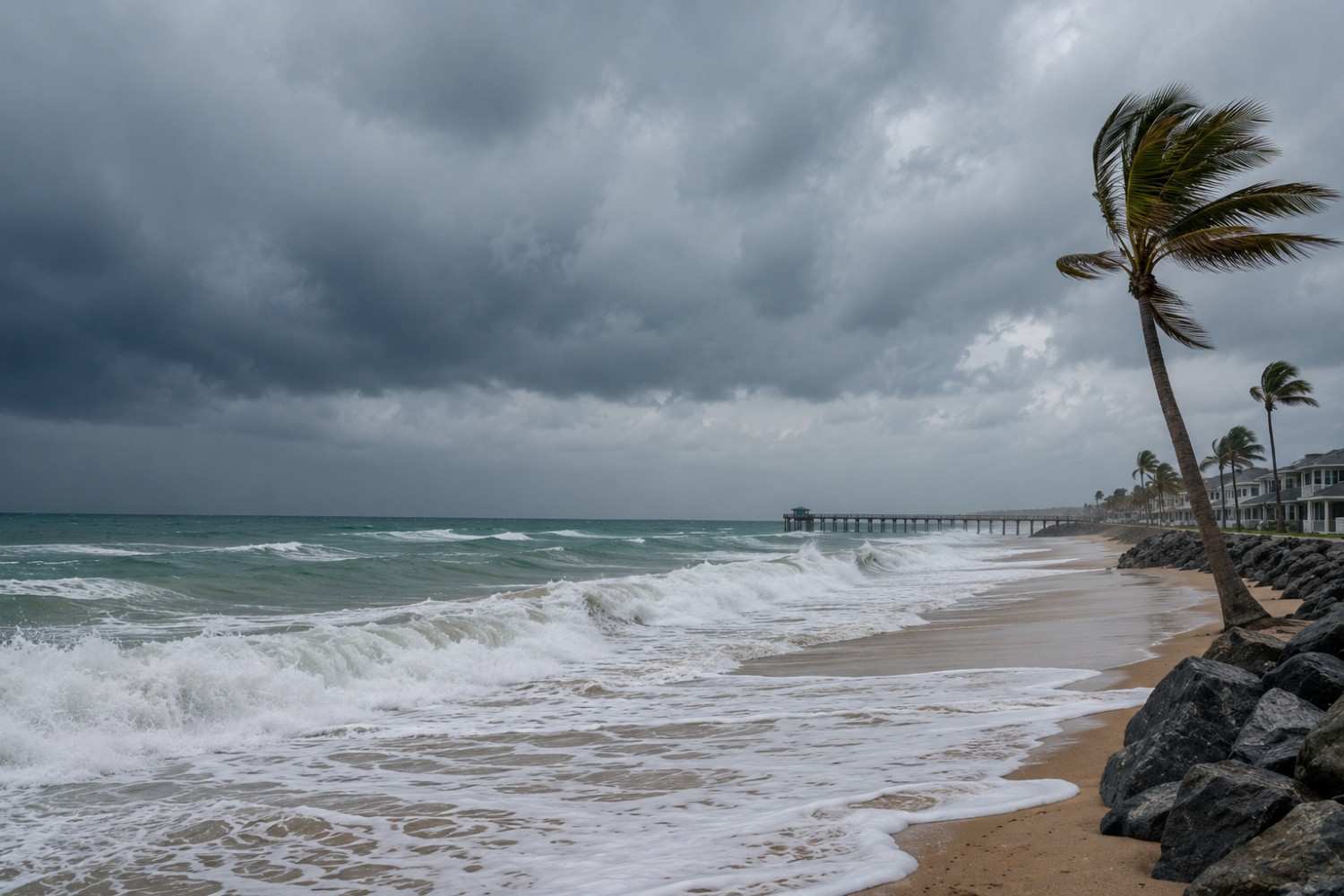

El Niño has officially developed in the tropical Pacific, and forecasters expect it to strengthen through the remainder of 2026 and into the winter of 2026–2027. While no single weather pattern can predict exactly how much rain Southern California will receive, El Niño typically increases the likelihood of wetter-than-average winters across the region.
For homeowners, the concern isn’t simply that it may rain more. Extended periods of rainfall have a way of exposing weaknesses that have quietly developed over years of hot, dry weather. Small cracks, aging sealants, and worn waterproofing materials often go unnoticed until repeated storms allow water intrusion to occur through the building envelope. Understanding where these vulnerabilities exist before winter arrives can help prevent costly repairs, mold growth, and structural damage later.
Why El Niño Can Reveal Problems That Stayed Hidden for Years
Many Southern California homes perform well during long dry periods, even if small defects already exist. When repeated storms arrive, however, those hidden weaknesses are put to the test. Water naturally follows the path of least resistance, and prolonged rainfall gives it more opportunities to find its way inside.
Because these entry points are often concealed behind walls, roofs, or exterior finishes, professional leak detection can help identify hidden water intrusion before it leads to more extensive damage.
Repeated Rainfall Is More Damaging Than a Single Storm
A single heavy rainstorm doesn’t always cause obvious water damage. The challenge during an El Niño winter is that storms often arrive one after another, giving moisture little time to dry before the next round of rain.
Water intrusion often follows a predictable pattern:
- First storm: Rain finds small cracks, worn sealants, or damaged flashing, allowing exterior materials to become damp.
- Second storm: With surfaces already wet, moisture penetrates deeper into wall cavities, insulation, and roof assemblies.
- Third storm and beyond: Continued rainfall saturates framing, subfloors, and other structural components, creating ideal conditions for mold growth, wood rot, and long-term structural damage.
This gradual progression is why hidden water intrusion often goes unnoticed until stains, warped materials, or musty odors begin to appear. By the time these visible signs emerge, moisture may have already caused significant damage inside the building envelope.
Southern California’s Dry Climate Can Hide Building Defects
Years of sunshine and minimal rainfall often allow small issues to go unnoticed. Hairline cracks in stucco, aging caulking around windows, deteriorated flashing, and worn waterproof membranes may not show obvious signs during dry weather.
When sustained rain arrives, those same conditions can become pathways for water intrusion. Homeowners are often surprised to discover damage inside walls or ceilings, even though the underlying problem has been developing for years.
Years of Sun Exposure Also Take a Toll
Rain isn’t the only weather homes experience. Southern California’s intense sunlight gradually breaks down many exterior building materials.
Ultraviolet exposure, daily temperature changes, and seasonal expansion and contraction slowly weaken sealants, exterior coatings, and waterproofing systems. These changes often happen so gradually that homeowners don’t notice them until heavy rain begins testing every joint, seam, and transition around the home.
Water Intrusion Often Starts Small
Water intrusion rarely begins with a dramatic leak. More often, it starts at small weaknesses in a home’s exterior that develop over time due to age, weather exposure, or normal wear. During prolonged periods of rain, these vulnerable areas can allow moisture to enter the building envelope, where damage often remains hidden until visible signs begin to appear.
Some of the most common water intrusion points include:
- Cracked Stucco – Even small cracks in stucco can allow rainwater to move behind the exterior finish, especially if the underlying weather-resistant barrier has been compromised.
- Failed Window Flashing and Sealants – Aging caulking, damaged flashing, or gaps around window frames can direct water into wall cavities instead of safely away from the home.
- Roof Penetrations – Vents, skylights, plumbing stacks, and other roof penetrations rely on properly sealed flashing. As these materials deteriorate, they become common entry points for water.
- Roof Valleys and Flashing – Roof valleys naturally collect large amounts of rainwater during storms. Damaged valley flashing or loose roofing materials can allow water to seep beneath the roof surface.
- Balcony and Deck Waterproofing Failures – Worn waterproof membranes, deteriorated coatings, or failed flashing around balconies and decks can allow moisture to penetrate structural framing below.
- Chimney Flashing Leaks – The intersection between a chimney and the roof is particularly vulnerable. Damaged or improperly installed flashing can allow water to enter during heavy rainfall.
- Foundation Cracks – Small foundation cracks may seem harmless during dry weather but can allow groundwater to enter when soil becomes saturated during extended storms.
- Poor Site Drainage – Improper grading, clogged drains, or ineffective gutter systems can cause water to collect around the foundation, increasing the risk of water intrusion over time.
These issues often develop gradually and remain unnoticed during Southern California’s long dry seasons. When repeated winter storms arrive, however, they can quickly become pathways for moisture that lead to hidden structural damage, mold growth, and costly repairs.
Read More: Millennial Homeowners: Personal Image vs. Home Maintenance — What You Don’t See Can Cost You
Interior Warning Signs of Hidden Water Intrusion
Not all water damage starts with a visible leak. In many cases, moisture remains trapped behind walls, ceilings, or flooring for months before homeowners notice any signs inside the home. After repeated El Niño storms, these hidden problems often become more noticeable as moisture continues to build up.
Watch for these common warning signs:
- Musty odors that persist even after cleaning or airing out the home, which may indicate hidden moisture or mold growth.
- Peeling or bubbling paint caused by moisture collecting behind interior walls.
- Buckling, warping, or cupping floors as wood or laminate absorbs excess moisture.
- Swollen or deteriorating baseboards that expand or separate from the wall due to prolonged water exposure.
- Water stains or discoloration on ceilings and walls that may indicate moisture traveling through the structure.
- Soft or damp drywall that can signal hidden leaks behind finished surfaces.
Why Waiting Until After the Storms Can Cost More
Most water intrusion problems don’t begin during a storm. They begin months or even years earlier as small cracks, aging sealants, deteriorated flashing, or worn waterproofing materials slowly weaken. El Niño simply creates the conditions that expose those hidden vulnerabilities.
Addressing these issues before prolonged rain arrives is often far less expensive than repairing water damage, mold growth, or structural deterioration after moisture has spread through the building. A professional inspection can identify areas of concern before they turn into major repairs.
Absolute Maintenance & Consulting helps Los Angeles homeowners identify hidden moisture problems, locate water intrusion pathways, and recommend long-term solutions before seasonal storms cause more extensive damage. If you’re preparing your home for a potentially wetter winter, now is the time to schedule a professional evaluation. Contact Absolute Maintenance & Consulting to know more about our services.
About the Author
 Cameron Figgins
Cameron Figgins is the founder of Absolute Maintenance & Consulting. With over 30 years of hands-on industry experience, he specializes in identifying complex water intrusion issues in Southern California homes and is dedicated to helping homeowners protect their property with the latest in detection technology.”