
How Drywall and Stucco Work Together to Protect Your Home
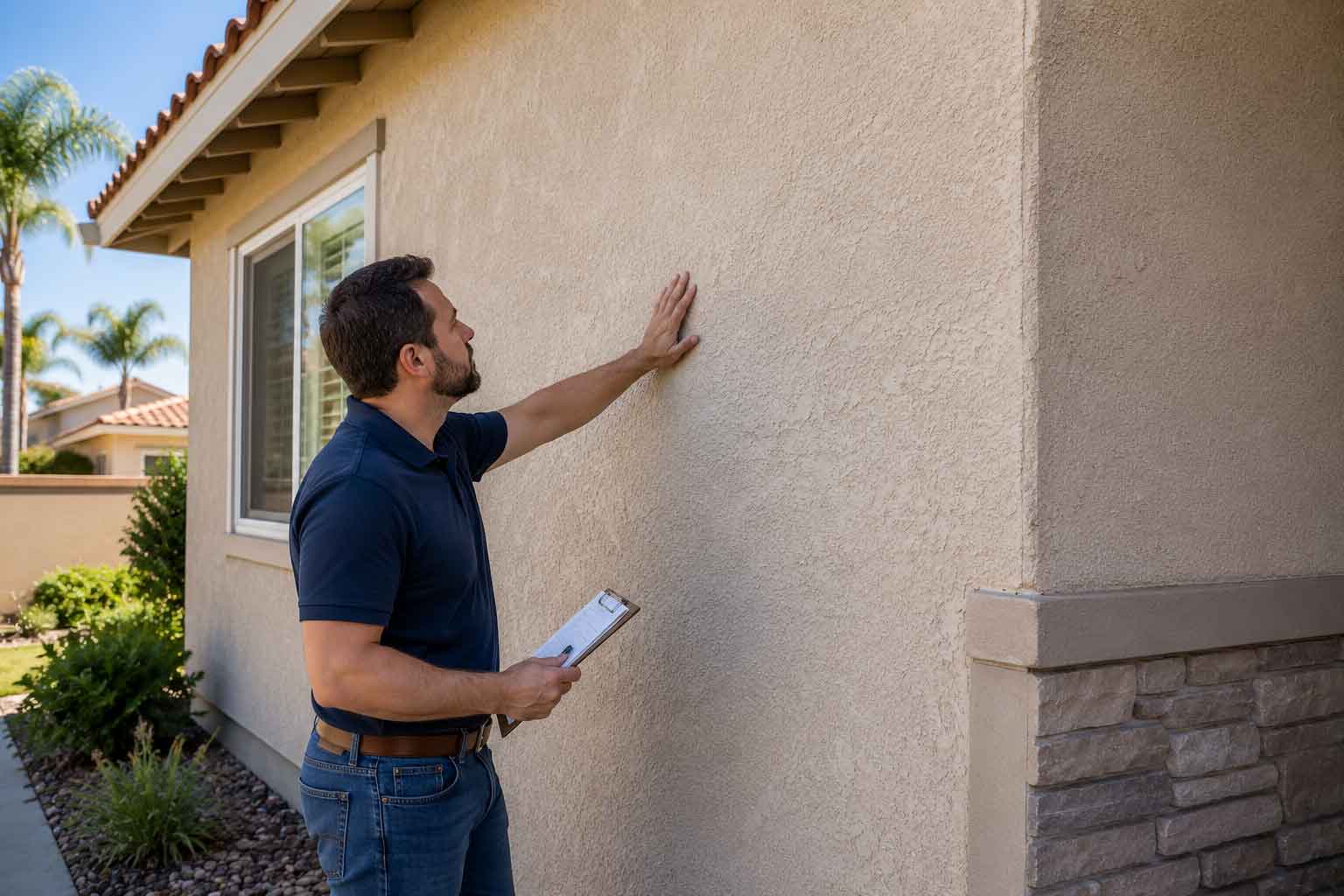

Table of Contents
Your home’s protection doesn’t rely on a single material. Instead, it depends on multiple components working together to keep the interior dry, comfortable, and structurally sound. Two of the most important are stucco, which protects the exterior from weather and moisture, and drywall, which creates durable interior living spaces.
While each material serves a different purpose, they’re closely connected. A properly installed stucco system acts as the home’s first line of defense against rain, while drywall remains protected inside. However, if the exterior system fails, moisture can eventually reach the interior, leading to water intrusion, damage behind walls, and costly repairs.
Why Homes Use Different Materials Inside and Outside
Homes are built to withstand two completely different environments. Inside, materials need to provide comfort, safety, and flexibility. Outside, they must endure rain, sunlight, wind, and changing temperatures every day.
This is why builders don’t use the same material for both sides of a wall. Drywall performs exceptionally well indoors but would quickly deteriorate if exposed to weather. Stucco, on the other hand, is designed to protect the structure from outdoor conditions but would not provide the smooth, finished appearance homeowners expect indoors.
Working together, these materials create a complete wall system that helps protect both the structure and the people living inside.
Why Is Drywall Used Inside the Home Instead of Stucco
Drywall, sometimes called gypsum board or sheetrock, has been the standard interior wall material for decades. It is lightweight, easy to install, and provides a clean surface for paint or wallpaper.
Drywall Makes Interior Work Faster and More Accessible
Drywall panels are easy to cut and install, allowing contractors to finish interior walls quickly. Because they attach directly to the framing, electrical wiring, plumbing, insulation, and HVAC components can all be installed inside the wall before the drywall is secured.
This makes future renovations and repairs much more manageable than working with heavier wall materials.
The Gypsum Core Provides Natural Fire Resistance
One of drywall’s greatest advantages is its fire resistance. The gypsum core naturally contains chemically bound water. During a fire, that moisture is released as steam, helping slow the spread of flames and providing occupants with additional time to evacuate.
For this reason, drywall is commonly used throughout residential and commercial construction.
Drywall Delivers the Smooth, Quiet Interior Surface Homeowners Expect
Drywall also contributes to everyday comfort. Its smooth surface is ideal for painting and decorating, while its density helps reduce sound transmission between rooms. Specialized drywall products can further improve moisture resistance, soundproofing, or fire protection in areas where additional performance is needed.
Also Read: Preparing Your Home: How the Rising El Niño Impacts Southern California
Why Stucco Protects the Outside of Your Home
Unlike drywall, stucco is designed to withstand continuous exposure to the outdoors. Made from cement, sand, lime, and water, stucco forms a durable exterior finish capable of handling years of weather exposure.
Stucco Is the Building’s First Defense Against Southern California Weather
Southern California homes experience intense sunlight, seasonal rain, coastal moisture, and temperature fluctuations throughout the year. Properly installed stucco helps shield the building from these conditions by serving as the home’s first line of defense against the elements.
It’s important to understand that stucco itself is not completely waterproof. Instead, it works together with weather-resistant barriers, flashing, sealants, and drainage planes behind the surface to direct water away from the structure.
Stucco Holds Up for Decades With Minimal Upkeep
Stucco provides a hard exterior surface that resists dents, impacts, insects, and normal weathering much better than interior materials. With proper maintenance, a stucco exterior can last for decades while requiring relatively little upkeep.
Regular inspections remain important because even small cracks can eventually allow moisture to move behind the exterior finish.
Stucco Adds Density That Supports Temperature Regulation
When installed over properly insulated wall systems, stucco adds density that helps regulate indoor temperatures while also reducing outside noise. This makes it a popular exterior finish throughout Southern California’s varied climate.
Why Small Stucco Cracks Should Never Be Ignored
Although stucco is highly durable, small cracks can develop over time due to normal settling, temperature changes, UV exposure, and Southern California’s occasional seismic activity. While many hairline cracks are cosmetic, larger or expanding cracks can become entry points for rainwater if left unsealed.
Homeowners should periodically inspect their stucco for new cracks, separation around windows and doors, or damaged sealants. Addressing these issues early helps prevent moisture from entering the wall assembly, reducing the risk of hidden water intrusion and more extensive repairs later.
How the Wall Assembly Protects Your Home from Moisture
Although drywall and stucco never touch each other directly, they work as part of a larger wall assembly that helps protect your home from water intrusion. Between them are framing, insulation, moisture barriers, flashing, and air barriers that work together to manage moisture and keep water outside where it belongs.
One of the most important components inside the wall assembly is the weather-resistant barrier, often called building paper or a moisture barrier. Installed behind the stucco, this layer helps prevent water that gets past the exterior finish from reaching the framing and insulation. Working together with flashing and drainage systems, it directs moisture back to the outside, providing an additional line of defense against water intrusion. If this barrier is damaged, improperly installed, or deteriorates over time, moisture can penetrate deeper into the wall assembly and increase the risk of hidden water damage.
Problems begin when moisture bypasses the exterior protection system. Cracked stucco, deteriorated sealants, failed flashing, or improper drainage can allow water to enter the wall assembly. Once inside, moisture may travel behind insulation before eventually reaching the drywall. Because this process happens out of sight, homeowners often don’t discover the problem until visible damage appears indoors.
What Happens When Water Gets Behind Your Stucco
Many homeowners assume that stains appearing on interior walls mean the drywall has failed. In reality, drywall is often the final material to show signs of a much larger problem.
Water commonly enters through damaged stucco, failed window flashing, deteriorated sealants, roof penetrations, or other weaknesses in the building envelope. Once moisture becomes trapped inside the wall cavity, it can remain there for extended periods before visible symptoms develop.
Common warning signs include:
- Brown or yellow wall stains
- Bubbling or peeling paint
- Soft drywall
- Musty odors
- Warped baseboards
- Mold growth around walls or ceilings
At this point, the focus should not simply be on repairing the drywall. The source of the moisture must be identified and corrected first to prevent the damage from returning.
Why Early Detection Matters
Moisture hidden inside walls rarely resolves on its own. As building materials remain wet, they become more vulnerable to deterioration and biological growth.
Professional water damage restoration begins with identifying where moisture entered the building rather than repairing only the visible damage. Once the source has been addressed, damaged materials can be dried, repaired, or replaced before additional structural problems develop.
In some situations, prolonged moisture may also create conditions that support mold growth. Scheduling a mold remediation inspection helps determine whether hidden mold is present and whether further treatment is needed to restore a healthy indoor environment.
Learn More: Mold Remediation Cost in Los Angeles
Protect Both Sides of Your Home
Keeping stucco, sealants, flashing, and other exterior components in good condition is one of the best ways to prevent hidden moisture problems before they spread through the wall assembly. If you’ve noticed cracks in your stucco, water stains on interior walls, or signs of moisture around your home, don’t wait for the damage to get worse.
Absolute Maintenance & Consulting helps Southern California homeowners identify hidden water intrusion issues before they lead to extensive interior damage. Whether you’re concerned about aging stucco, recurring leaks, or unexplained wall stains, our team can locate the source of moisture and recommend long-term solutions that protect your home for years to come.
Contact Absolute Maintenance & Consulting today to schedule a professional inspection and protect your home from costly water intrusion repairs.
About the Author
 Cameron Figgins
Cameron Figgins is the founder of Absolute Maintenance & Consulting. With over 30 years of hands-on industry experience, he specializes in identifying complex water intrusion issues in Southern California homes and is dedicated to helping homeowners protect their property with the latest in detection technology.”