
Building Envelope Failure Signs Every LA Homeowner Should Know
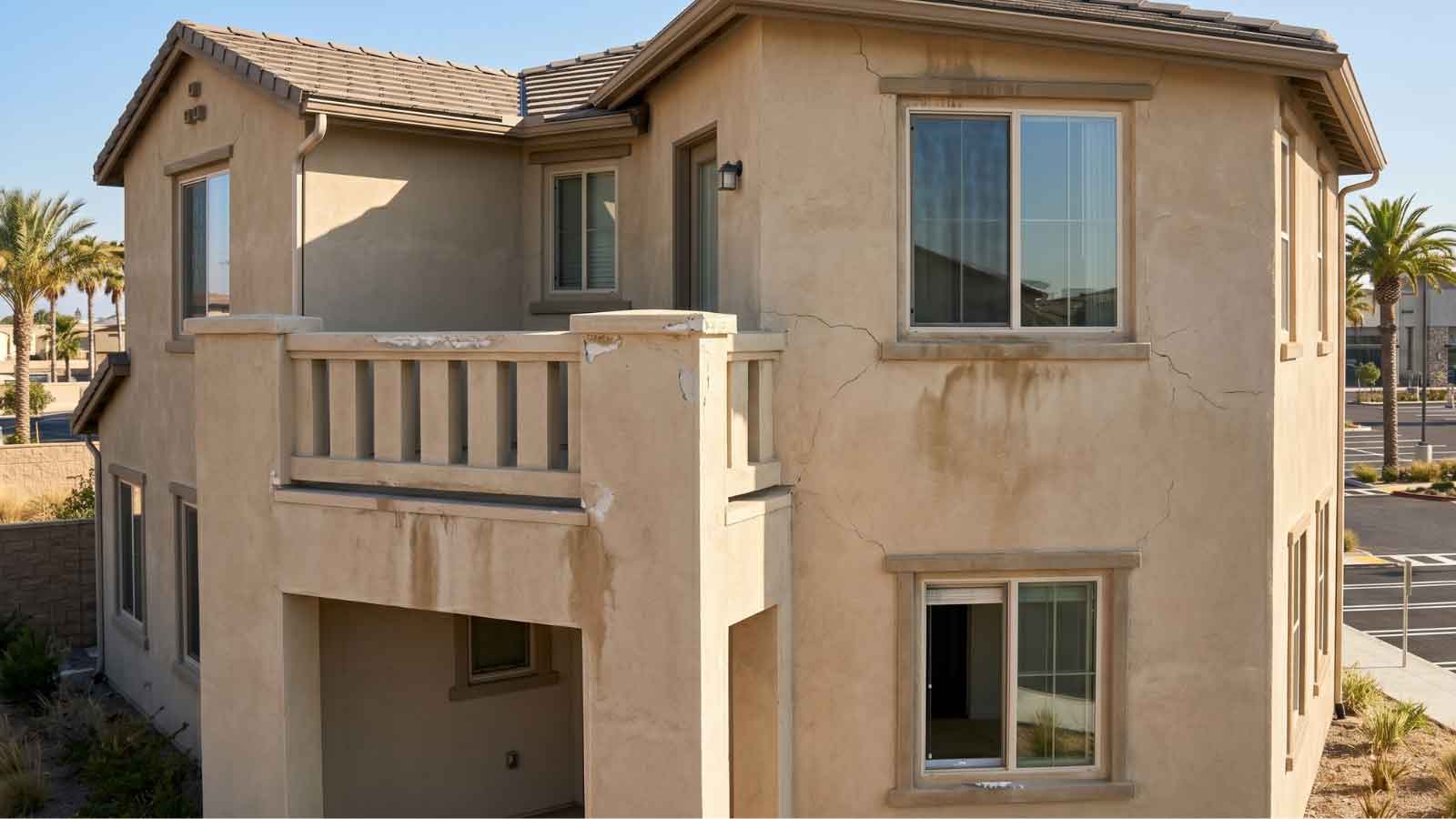

Many Los Angeles homes use wood framing, stucco exteriors, and hillside construction, all of which are exposed to years of sun, rain, and shifting conditions.
When that assembly starts to break down, the signs of building envelope failure rarely arrive with clear announcements. A hairline crack near a window, a faint stain above a door, or a musty odor nobody can locate often tells the real story.
This guide walks through exterior, interior, structural, and comfort-level symptoms so homeowners can recognize the signs that warrant calling experts for a building envelope inspection.
What Does Building Envelope Failure Mean
The building envelope is the continuous outer shell of a home. It covers the roof, exterior walls, windows, doors, foundation, and all the flashing, sealants, and waterproofing that tie them together.
When any layer of the enclosure breaks down, moisture, air, and heat begin moving in directions they should not.
Three factors drive most envelope failures in Los Angeles:
- Age and UV exposure that degrade sealants, membranes, and stucco
- Poor original construction, especially at flashing and deck-to-wall connections
- Insufficient drainage around the foundation and hillside slopes
A home with any two of these factors carries a higher risk of showing the warning signs above within a single rainy season.
Read More: How Atmospheric Rivers Impact Stucco and Foundations in Southern California Homes
How Water Travels Through a Failing Enclosure
Water rarely enters and shows itself in the same spot. A breach at a window head or a roof-to-wall transition lets moisture track sideways along framing, down studs, and through insulation before it appears on a ceiling several feet away.
That delay is what makes envelope issues so expensive. By the time a stain surfaces, sheathing and finishes have usually absorbed moisture for weeks. Diagnosing these leaks depends on tracing the water path rather than chasing the stain.
Why It Matters in Los Angeles
The enclosure controls water entry, thermal performance, and air movement. Local properties are subject to unusual stresses in this system.
Months of UV exposure dry out sealants and stucco, leaving them brittle and hardened when winter storms and atmospheric rivers arrive. Stucco-clad, multi-story, and hillside homes are especially prone to leaks at joints, windows, decks, and roof-to-wall transitions.
Exterior Signs of Building Envelope Failure
Most warning signs first appear on the exterior of a home and tend to be most visible during and after the winter storm season. A careful walk around the property after rainfall can reveal a surprising number of red flags within 20 minutes.
Stucco & Wall Cladding
Stucco is one of the most common exterior finishes on homes in the area, and it carries its own vocabulary of warning signs. Homeowners should look for:
- Cracks at control joints, corners of windows, or in large wall fields, especially those wider than a hairline or showing visible displacement
- Spider webbing or map cracking that suggests the underlying wall is moving
- Bulging, hollow-sounding, or delaminated patches where water may be trapped behind the cladding
- Cracked or missing weep screeds at the base of walls
- Stucco that meets soil, concrete, or hardscape without proper clearance
- White chalky residue (efflorescence), rust bleeding through the finish, or dark streaks below windows and deck connections
Hairline surface cracks in isolation are often cosmetic. Concern rises when cracks show displacement, cluster near windows or control joints, or appear alongside bulging areas or efflorescence. These patterns point toward stucco cracks that indicate water damage behind the cladding, sometimes months before interior symptoms appear. Targeted stucco waterproofing helps address these issues before the sheathing begins to decay.
Read More: Why Do Stucco Sealants Keep Failing on Los Angeles Homes?
Windows & Doors
Windows and doors are among the most leak-prone areas of any home. Telltale signs include:
- Dark staining or discoloration in the stucco above and beside a window
- Soft, swollen, or discolored interior window framing
- Peeling or bubbling paint around the perimeter of a window or door
- Cracked, brittle, or missing perimeter sealant
- Rust stains near frames
These symptoms typically point to failures caused by improper window flashing, missing sill pans, or poorly integrated head-and-jamb flashing. The glass itself can look perfect while water tracks behind the wall. Professional window leak repair that corrects the flashing system, not just the caulk line, is what actually addresses the source.
Roof-to-Wall Transitions
Roof-to-wall transitions are among the first assemblies to fail during sustained rain and wind-driven storms. These junctions rely on a layered system of step flashing, counter-flashing, and a kick-out diverter at the eave to carry water away from the wall. When any one layer is missing or incorrectly lapped, water funnels straight into the cavity behind the stucco.
Watch for these warning signs:
- Staining near the top of exterior walls where sloped roofs meet vertical surfaces, especially directly below roof eaves
- Rusted, lifted, or bent step flashing along the roof-to-wall junction
- Step flashing pieces that appear too short, failing to overlap the roof plane and wall by the recommended minimum (typically 4 inches each direction)
- Missing kick-out diverters where the roof edge meets a vertical wall, and runoff should be redirected into the gutter
- Counter-flashing pulling away from the wall or replaced with surface caulk as a temporary fix
- Stucco cracks or discoloration running vertically down the wall directly below a roof-to-wall intersection
The kick-out diverter is the most commonly omitted detail in Los Angeles residential construction. When it is missing, roof runoff dumps directly against the stucco at the eave rather than draining into the gutter, and one rainy season can saturate the sheathing behind it. Roof-to-wall leaks enter high and travel downward through framing, so the visible stain rarely matches the entry point. A professional roof leak repair evaluation traces the full path using thermal imaging and moisture mapping before any surface is opened.
Decks & Balconies
Elevated walking surfaces fail silently. Red flags include:
- Wood rot, soft spots, or efflorescence at ledger boards
- Peeling deck coatings, blisters, or standing water on balcony surfaces
- Staining on walls or ceilings directly below a deck or balcony
Deck waterproofing failure at ledger connections is a leading cause of structural damage in multi-story properties. A targeted deck waterproofing assessment, paired with a ledger inspection, catches these issues before framing rot sets in.
Read More: Interior vs. Exterior Waterproofing: Pros, Cons, and Costs
Interior and Performance Signs
Interior cues usually appear later than exterior ones, but they often prompt homeowners to finally investigate. They also appear as complaints about comfort, energy, and air quality that homeowners mistake for HVAC issues.
Water Stains & Material Damage
Look closely at ceilings, walls, and trim near the exterior of the home:
- Brown, yellow, or rust-colored rings on ceilings, especially near exterior walls or below decks
- Peeling paint, bubbling drywall, or warped baseboards on exterior walls
- Crown molding or window trim that feels spongy or separates from the wall
- Staining on closet walls that share the home’s exterior skin
Mold & Air Quality
Hidden moisture creates the conditions mold needs to colonize, and it often affects indoor air long before visible growth appears. Watch for:
- Persistent musty odors, especially after rain
- Visible growth along baseboards, closets, or corners of exterior walls
- Condensation forming in closets or enclosed spaces
- Indoor humidity that stays elevated despite HVAC use
- Allergy symptoms that worsen when windows are closed
- Pollen and dust that accumulate quickly on sills, suggesting unfiltered air is passing through the shell
Surface cleaning rarely holds because the moisture source continues to feed the problem. Professional mold remediation paired with enclosure repair is typically required to stop the cycle.
Comfort & Energy Issues
Air moving uncontrollably through the enclosure shows up in everyday comfort complaints:
- Cold drafts near windows or outlets on exterior walls
- Rooms that never reach a comfortable temperature, regardless of thermostat setting
- Heating or cooling bills that climb year over year without changes in usage
- Noticeable temperature differences between rooms on the same floor
- Street noise that seems louder near exterior walls and windows
Common culprits include compressed or missing wall insulation, gaps around rim joists and top plates, and poorly sealed attic hatches. Homeowners often adjust HVAC or add insulation for years when the shell itself needs evaluation.
Condensation
Condensation forms when warm, humid air meets a cold surface. Signs to watch:
- Heavy condensation on single-pane windows during cool mornings
- Moisture beading on sills, frames, or adjacent walls
- Dampness around ceiling corners near exterior walls
Interior sources such as cooking, long showers, or HVAC imbalances can also contribute. The full pattern matters more than any single occurrence.
Structural and Foundation Warning Signs
Below-grade symptoms tend to be the most overlooked because they sit out of sight. In the region’s clay soils, which expand and contract dramatically with seasonal rainfall, these issues deserve year-round attention.
Cracks & Efflorescence
Signs of foundation water intrusion include:
- Horizontal or vertical cracks at the junction of foundation walls and framing
- Spider cracks in concrete slabs or stem walls
- Efflorescence on concrete or masonry, signaling water migration through the substrate
- Rust staining or mineral deposits on exposed foundation surfaces
Left untreated, the same moisture migrates into framing, insulation, and subfloors. Targeted foundation waterproofing is used to mitigate these conditions before they reach the finished interior.
Drainage & Grading
The ground around a home is part of the waterproofing system. Common problems include:
- Grading that slopes toward the foundation rather than away from it
- Clogged or undersized gutters overflowing during rain
- Missing or short downspout extensions dumping water near the foundation
- Retaining walls with no drainage behind them
- Irrigation heads spraying directly onto stucco or siding
Hillside properties are especially sensitive, since poorly drained slopes push water against foundation walls. The ongoing impact of atmospheric rivers on Southern California stucco and foundations makes grading correction one of the highest-value preventive measures available.
Crawlspace Moisture
For homes with crawlspaces, these signs point to issues below the living space:
- Persistent dampness, standing water, or visible condensation on framing
- Soft, darkened, or deteriorated wood at slab-to-wall joints
- Rust on metal straps, hangers, or ductwork
Crawlspace moisture rarely stays contained. It rises into the floor system, contributing to elevated humidity upstairs. Professional crawl space waterproofing, paired with drainage correction, addresses most of these cases.
How Much Do Building Envelope Failure Repairs Cost?
Costs vary widely because envelope repair covers everything from a single flashing detail to full stucco remediation with waterproofing. Key factors that influence cost include the scope of the failure, whether framing or insulation has absorbed damage, access constraints on multi-story or hillside properties, and the diagnostic work needed to confirm the source.
A documented inspection report is the best starting point. It identifies what actually needs to be repaired and prevents overspending on the wrong part of the assembly.
Schedule a Building Envelope Inspection in Los Angeles
If you’re seeing multiple signs of building envelope failure, a professional inspection from trusted water intrusion experts identifies the source before damage spreads.
A proper building envelope inspection goes beyond what a general home inspector checks. It uses diagnostic tools and testing methods that standard home inspectors do not carry:
- Exterior walk-throughs of all cladding, flashing, and transition details
- FLIR thermal imaging to locate hidden moisture behind walls, ceilings, and floors
- Moisture mapping with pin and pinless meters at 20 to 50+ test points
- ASTM E1105 standardized water testing to reproduce the leak under controlled conditions when the source is unclear
The result is a documented report identifying the source of water entry and the specific repairs needed. That documentation also gives homeowners the evidence needed for insurance, contractor scoping, or construction-defect claims against builders, which matters especially in condos, townhomes, and multi-unit buildings where HOA disputes can follow.
Residential inspections start at $375, and the Basic or Detailed Inspection fee is credited toward the repair work when we do the work. Contact us to schedule a building envelope inspection in Los Angeles. Early action almost always costs less than the repairs that follow a missed problem.
About the Author
 Cameron Figgins
Cameron Figgins is the founder of Absolute Maintenance & Consulting. With over 30 years of hands-on industry experience, he specializes in identifying complex water intrusion issues in Southern California homes and is dedicated to helping homeowners protect their property with the latest in detection technology.”