
Mold Removal vs. Remediation: What’s the difference?
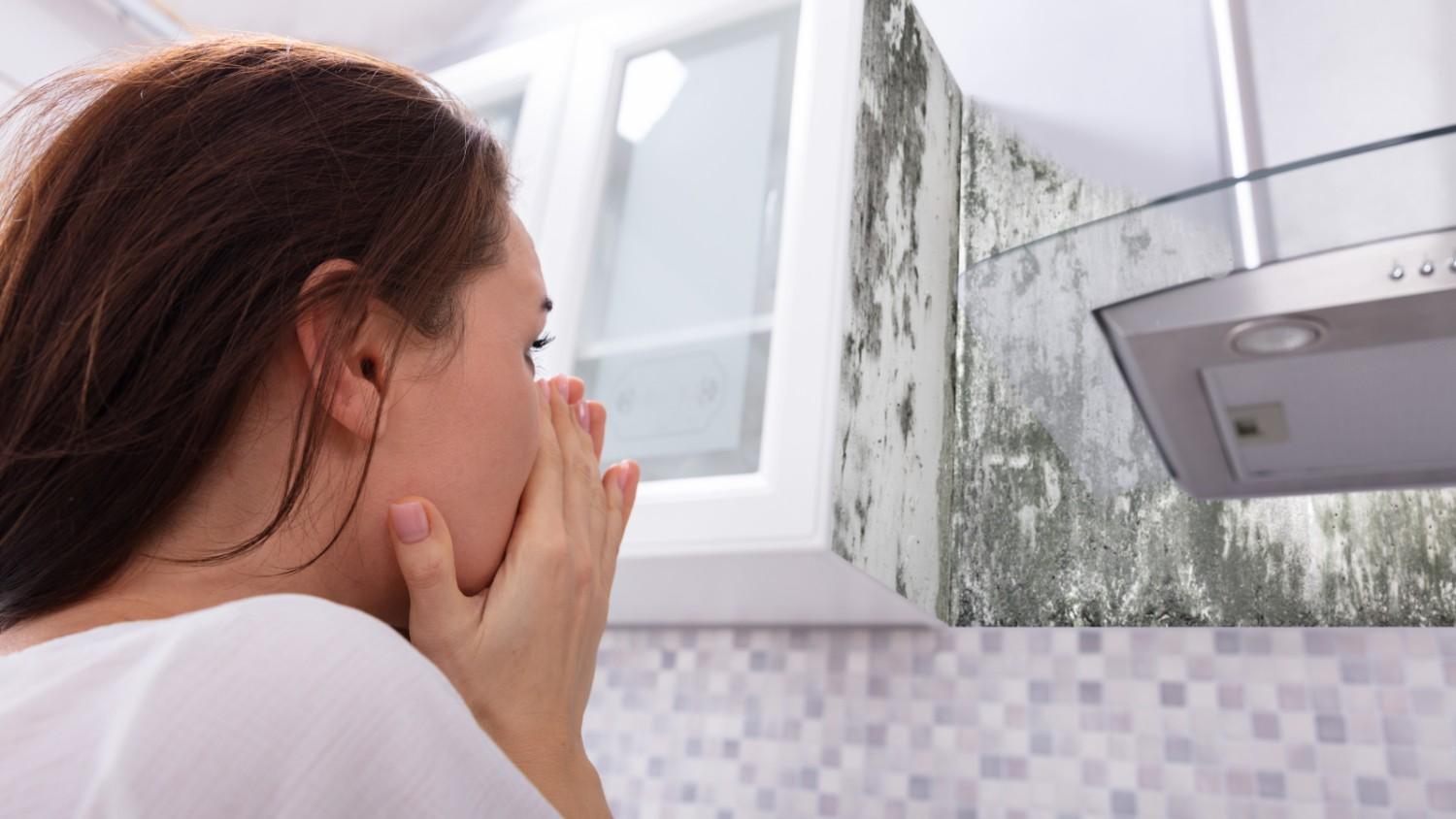

Let me start by clearing up a confusion I see every day in Southern California. Many property owners use “mold removal” and “mold remediation” as if they mean the same thing. They do not, and the difference could cost you thousands of dollars and put your family’s health at risk.
Mold removal is the physical act of cleaning visible mold from a surface, while mold remediation is a complete process that fixes the moisture problem, removes contaminated materials, and restores your indoor air to safe levels. One treats the symptom; the other cures the disease.
What Is Mold Removal?
Mold removal is simple: you scrub, wipe, or vacuum away the visible mold growth. It is a surface-level, cosmetic task. If you see black spots on your bathroom tile and clean them with a sponge and detergent, that is mold removal.
The U.S. Environmental Protection Agency (EPA) makes an important point here: “mold removal” has no official regulatory definition. More importantly, complete removal is impossible. Mold spores exist everywhere-outdoors, on your clothes, in the air you breathe. You cannot eliminate every spore.
Mold removal treats the symptom (the ugly growth), not the cause. If you scrub mold off a wall but the wall is still wet from a leak, the mold will come back. Count on it.
Removal works best on non-porous surfaces, things like tile, glass, or sealed countertops. On porous materials (drywall, wood, carpet), removal alone is not enough because the mold grows into the material; you cannot scrub it all out.
When Is Simple Removal Sufficient?
Under one condition: the affected area is small (under 10 square feet) and the moisture source has been fixed. For example, a two-foot patch of mildew on bathroom grout after you repaired a dripping showerhead. Even then, follow safety basics:
- Wear gloves and an N95 mask.
- Use plastic sheeting to isolate the area.
- Clean with detergent and water, then dry completely.
Anything larger or on porous materials moves you into remediation territory.
What Is Mold Remediation?
Mold remediation is a structured, multi-phase process. It does not just remove what you see; it corrects the reason the mold grew in the first place and ensures the air is safe to breathe afterward.
The process follows the EPA’s recommended six-step sequence:
- Assessment, Finding all visible and hidden mold using moisture meters, thermal cameras, and sometimes air sampling.
- Containment, Sealing off the work area with plastic sheeting and using negative air pressure to stop spores from spreading to the rest of your home.
- Removal, Physically removing contaminated porous materials (drywall, carpet, insulation) and cleaning non-porous surfaces.
- Cleaning, HEPA-vacuuming and wiping all surfaces in the containment zone.
- Drying, Ensuring the area and building materials are completely dry, typically with air movers and dehumidifiers.
- Verification, Air sampling to confirm spore levels have returned to normal outdoor background levels.
This is the IICRC S520 standard, the industry benchmark. If your contractor does not follow this, they are not doing remediation.
The EPA-Recommended Mold Remediation Process
Every phase of the mold remediation process has a purpose:
- Containment and negative air pressure prevent the problem from spreading to the rest of your property.
- Removing porous materials (drywall, carpet padding, wood) eliminates the food source for mold.
- Professional drying ensures moisture levels are low enough that mold cannot regrow.
- Final clearance testing proves the job is done correctly.
Important: If the underlying moisture issue (the leak, the humidity, the drainage problem) is not fixed, the mold will come back. That is why source control is the heart of remediation.
Key Differences: Mold Removal vs. Mold Remediation at a Glance
| Aspect | Mold Removal | Mold Remediation |
|---|---|---|
| Definition | Scrubbing, wiping, or discarding visible mold | A structured process addressing cause and future growth |
| Scope | Surface-level, visible growth only | Hidden growth, airborne spores, moisture correction |
| Appropriate Surfaces | Non-porous (tile, glass) | Both non-porous and porous (drywall, wood, carpet) |
| Moisture Source | Not addressed | Must be identified and permanently fixed |
| Outcome | Temporary clean appearance; spores often remain | Background-safe spore levels; root cause resolved |
| Guidelines | Not standardized | Follows EPA guidelines and IICRC S520 standard |
Why the 10-Square-Foot Rule Matters
The EPA specifically states that active mold growth over 10 square feet requires professional remediation. Here is why:
- Larger areas release exponentially more spores into the air.
- Mold of that size almost always involves porous materials (drywall, wood, ceiling tiles).
- Large areas indicate an ongoing moisture problem.
The rule of thumb: If the visible patch is bigger than a 3-foot by 3-foot square (10 square feet), call a professional. I have been inside homes where a “small bathroom mildew spot” turned out to be a 6-foot wall of black Stachybotrys behind the vanity.
Can a Company Remove 100% of Mold?
No, and any company that promises this is misleading you. The goal of remediation is not zero spores; it is to return indoor levels to normal, safe outdoor background levels.
Mold spores are everywhere-they blow in through open doors, come in on your shoes, and float in from outside. What matters is active growth. When you see visible mold, it means spores have found moisture and are colonizing. Fix the moisture, remove the colonized materials, and you stop the active growth. The airborne background spores will still be there, but they are harmless at normal levels.
A reputable remediation company will never promise 100% removal. They will promise:
- Fixing the water problem
- Physically removing all visible growth and contaminated materials
- Using HEPA filtration and negative air pressure to capture airborne spores
- Verifying through testing that indoor spore counts match outdoor levels
What Happens If You Don’t Fix the Moisture Source?
You get a revolving door. Here is how it plays out:
- You see mold, you clean it off.
- The leak or humidity is still there.
- New mold grows in days or weeks.
- It often comes back more aggressively.
- The structural damage (rot, dry rot) gets worse.
- Health risks increase as spores become airborne.
I have seen homeowners spend hundreds on repeated cleaning and painting, only to need a full remediation costing thousands because the moisture source was never addressed. Furnishing repairs or cleanup without fixing the plumbing or drainage is throwing money away.
Every professional mold remediation begins with source control. Without it, you are just painting over rust.
When to Call a Professional for Mold Remediation
If you see any of these signs, the job is beyond a DIY scrub job:
- Growth larger than 10 square feet, That is roughly a 3-foot by 3-foot patch on one wall.
- Porous materials are affected, Drywall, carpet padding, and wood soak up moisture and trap spores. These must be removed and discarded.
- Mold keeps returning, This signals the moisture source is still active.
- Health symptoms appear, Residents develop coughing, headaches, or allergy symptoms that improve when away from the property.
- The mold is hidden, You smell mustiness but see nothing; this often means mold inside walls or under floors. A mold inspection can locate it before any wall is opened.
Following the IICRC S520 standard, a professional mold remediation company uses containment, negative air pressure, HEPA vacuuming, and thorough drying. They also document the process and provide clearance testing to confirm success.
Signs You Need Remediation, Not Just Removal
Watch for these red flags:
- Mold covers more than 10 square feet (about a 3×3 foot area)
- Materials are porous (drywall, carpet padding, wood, ceiling tiles)
- You have recurrent mold despite cleaning efforts
- You or your family members have health symptoms that improve when away from home
- You can smell a musty odor even after cleaning
At the end of the day, understanding the difference between mold removal and mold remediation can save you time, money, and frustration. If you have a spot under 10 square feet on a non-porous surface with a fixed leak, a DIY scrub might work. But if you see wet drywall, a musty smell, or mold that keeps coming back, you need a professional who follows the full remediation process.
If you suspect you have more than a small spot, Schedule an inspection with our team. We will inspect, identify the moisture source, and tell you exactly what is needed-no guesswork, no wasted money.
Frequently Asked Questions About Mold Removal vs. Remediation
Can a company remove 100% of the mold from my house?
No. Mold spores exist naturally in all indoor and outdoor environments. No company can remove every last spore. Professional remediation focuses on eliminating active growth and reducing spore counts to safe, background levels. Any company claiming “100% removal” is not being truthful.
Is mold removal enough, or do I need remediation?
It depends on the size and surface. On a small, non-porous surface (like tile around a fixed leak), removal is fine. But if mold is on drywall, wood, or covers more than 10 square feet, you need full remediation. Otherwise, you will be cleaning the same spot every few months.
What happens if I don’t fix the moisture source?
The mold will return, usually within days or weeks. You will continue to see growth, and it will likely spread larger each time. The health risks and structural damage also increase over time. Source control is non-negotiable for a permanent solution.
Why is containment necessary during mold remediation?
Without containment, disturbing mold during cleaning releases a massive cloud of spores into the air. These spores settle everywhere in your home and can start new colonies. Containment with plastic barriers and negative air pressure prevents this spread and protects the rest of your property.
How do I know if my mold problem is more than 10 square feet?
Measure the affected area. If it covers approximately a 3-foot by 3-foot section or larger, you are over the EPA threshold. Also consider hidden areas-if you see mold on one side of a wall, moisture may be growing on the unseen side. Often, “small” visible spots turn out to be part of a larger hidden problem.
Does homeowners insurance cover mold remediation?
Typically, insurance covers mold remediation only if the mold resulted from a “covered peril”, like a sudden pipe burst or storm damage. It rarely covers mold from long-term leaks, humidity, or neglect. Many policies have a specific “mold exclusion” or a cap on coverage (often $5,000 to $15,000). Always check your policy and ask your agent.
—
Glossary
Mold Removal: The physical act of cleaning visible mold colonies from a surface (e.g., scrubbing, wiping, or discarding material). It is a task focused on appearance, not the underlying cause.
Mold Remediation: A structured, multi-phase process that addresses both visible mold and the underlying moisture source to return indoor mold levels to safe, natural outdoor baseline concentrations.
Containment: The use of plastic barriers and negative air pressure to isolate the work area and prevent mold spores from spreading to clean parts of the property during remediation.
Negative Air Pressure: A technique using HEPA-filtered air scrubbers to create a vacuum in the containment zone, ensuring air flows into the room (not out) to trap airborne spores.
Source Control: The process of identifying and permanently correcting the water leak, humidity, or moisture intrusion that caused the mold growth. Without it, regrowth is inevitable.
Porous Materials: Materials like drywall, carpet, insulation, and wood that absorb moisture and cannot be fully cleaned of mold. They must be removed and replaced during remediation.
About the Author
 Cameron Figgins
Cameron Figgins is the founder of Absolute Maintenance & Consulting. With over 30 years of hands-on industry experience, he specializes in identifying complex water intrusion issues in Southern California homes and is dedicated to helping homeowners protect their property with the latest in detection technology.”