Why DIY Mold Test Kits Are Unreliable
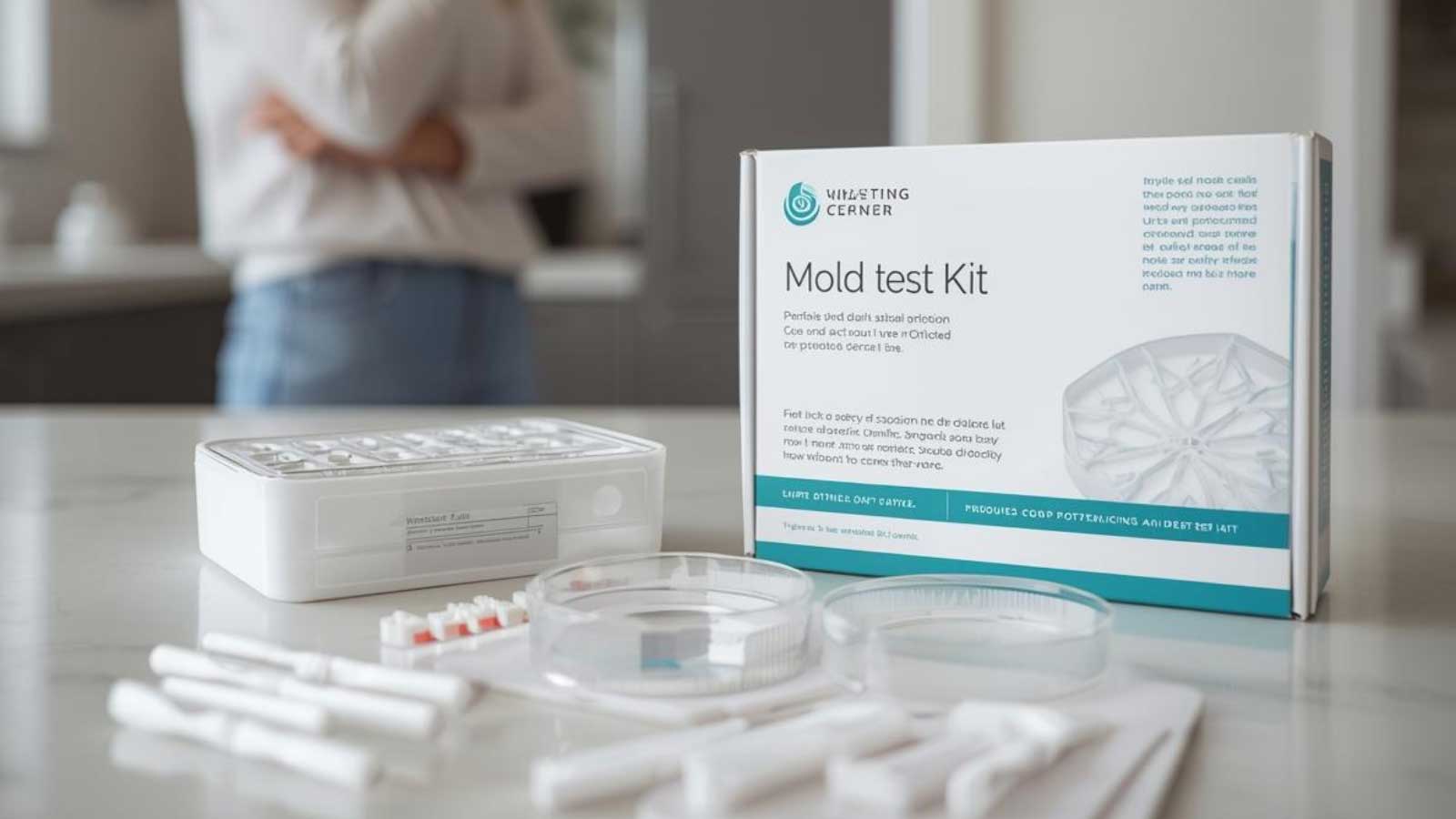

Table of Contents
You’re probably thinking that the musty smell in your bathroom or the suspicious dark patches behind the dresser could be signs of a growing mold problem. To check your suspicion, you plan to buy a mold test kit at your local hardware store for $30.
What these mold test kits tell you might lead you down the wrong path entirely, costing more time, money, and frustration than you bargained for. Before spending money on a DIY mold test kit, you should understand what these tests can and cannot tell you about mold in your home.
This guide outlines the limitations of DIY mold test kits and explains why misleading results can delay proper mold remediation when it’s actually needed.
Why DIY Mold Test Kits Are Usually Inaccurate
Home mold test kits often promise a quick, affordable answer to a stressful question. Their low upfront cost sounds appealing especially if you’re working with a tight budget. Doing the test yourself can feel empowering when you’re worried about your family’s health. The problem is that these kits have built-in limitations that often compromise their accuracy.
Passive Sampling Methods Miss Most Contamination
Most DIY mold test kits rely on passive sampling. You open a petri dish, leave it exposed for a set time period, then seal it and mail it to a lab. This method captures only mold spores that drift onto the collection surface during that specific window.
Think about what this actually measures. Spore counts vary dramatically with air movement, humidity, time of day, and room activity. Someone walking through the space, opening a door, or turning on a ceiling fan changes the results entirely. A tiny sample on a petri dish provides a snapshot that may or may not reflect real conditions in your home.
Your petri dish sitting on a countertop cannot capture mold hiding in other places in your home:
- Mold growing inside the wall cavities
- HVAC contamination that only circulates when the system runs
- Subfloor mold beneath hardwood or tile
- Attic or crawl space contamination isolated from main living areas
Every Home Tests Positive for Mold
Here’s something DIY test kit marketing doesn’t emphasize: every home contains mold spores. They drift in through open windows, cling to your clothes, and become a regular part of indoor environments. A positive result from a DIY kit doesn’t mean you have a mold problem. It means mold spores exist in your air, which is true of every building everywhere.
You pay for confirmation of something that was already guaranteed to be true. The real questions that matter, such as whether levels are abnormal, what’s causing the growth, and where contamination is occurring, remain unanswered.
Lab Quality Varies Dramatically
The lab processing your sample matters as much as the sampling method itself. Many mail-in testing services lack proper accreditation from organizations such as AIHA (American Industrial Hygiene Association) or EMLAP (Environmental Microbiology Laboratory Accreditation Program). Without standardized protocols, results between labs can vary significantly for identical samples.
DIY kits shipped via standard mail are subject to temperature fluctuations, transit delays, and potential contamination before reaching the lab. Your sample might sit in a hot delivery truck for hours, allowing some species to overgrow while others die off. The results you receive may not reflect what you actually collected.
The Real Problem With DIY Mold Test Kits
Even if your DIY test produces accurate results, you face a more fundamental problem. A lab report stating “Aspergillus present” or “elevated spore counts detected” gives you data without context or direction.
Hard To Interpret Results
Is your spore count high? Compared to what? Professional testing includes simultaneous outdoor sampling to establish a baseline. Indoor levels should typically be lower than outdoor levels. If they’re higher, that indicates an indoor source. DIY kits don’t include outdoor comparison samples, so you can’t tell whether your numbers indicate a problem.
Species identification adds another layer of confusion. Certain mold types, such as Stachybotrys (black mold), raise immediate concern. Others, like Cladosporium, are common outdoor molds that often appear indoors without indicating contamination. DIY kits may detect mold presence without distinguishing between these categories. Without training to interpret species data in context, you may panic over normal findings or overlook results that deserve closer attention.
No Path Forward After Testing
Suppose your DIY test confirms the presence of mold. Now what? Some homeowners see positive results and immediately tear into walls, potentially spreading contamination throughout the home. Others see inconclusive results and assume they’re fine, while hidden mold continues growing.
Neither response addresses the underlying moisture source that allowed mold to develop in the first place. On the other hand, professional mold testing not only identifies contamination but also traces it back to the moisture source, giving you a clear remediation path.
Is Testing For Mold Always Necessary?
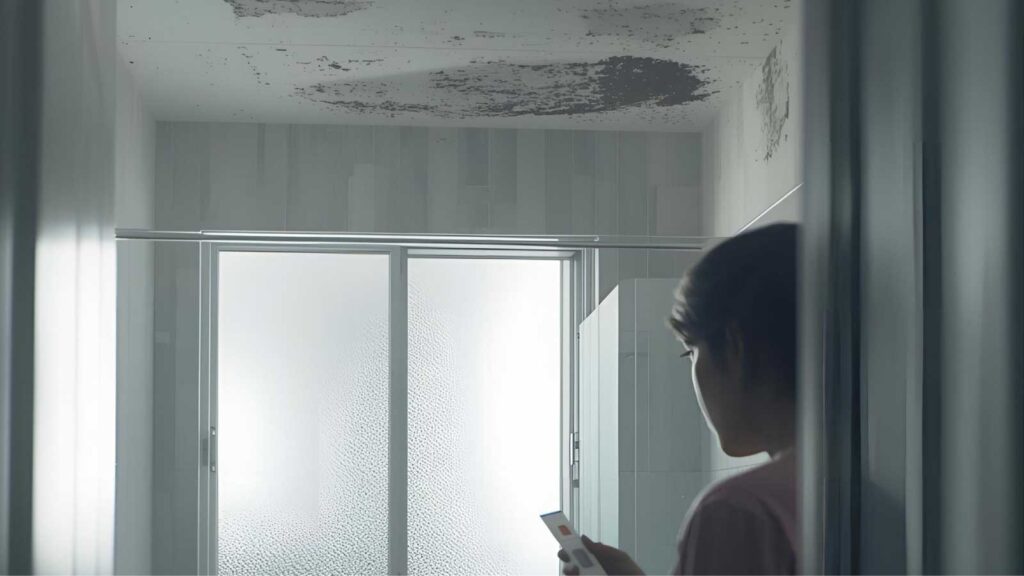
The Centers for Disease Control and Prevention takes a practical position on mold testing that surprises many homeowners. If visible mold is present, the CDC states that testing isn’t necessary to confirm you have a mold problem. The agency recommends addressing visible mold growth and moisture sources regardless of species identification.
Can Mold Test Kits Confirm Mold Toxicity?
No home test kit can diagnose mold-related illness. If you’re experiencing symptoms you believe are connected to mold exposure, including respiratory issues, persistent headaches, allergic reactions, or cognitive difficulties, you need a medical evaluation. A physician can conduct appropriate blood tests, assess your symptoms in a clinical context, and determine whether mold exposure is contributing to your health concerns.
What’s The Best Way To Test For Mold At Home?
Hiring a professional mold inspection company is often the best way to test for mold at home. While DIY kits may seem convenient, certain situations demand accuracy that home testing simply cannot deliver.
You should consider professional mold testing when:
- Your property has experienced recent water damage or ongoing leaks
- Health symptoms worsen indoors or improve when away from home
- Potential contamination covers more than 10 square feet
- You suspect that mold is present in your HVAC system
- A real estate transaction requires documented results
- Testing is needed to support an insurance claim for mold damage
- Previous remediation may have been incomplete
Professional mold testing goes beyond placing a petri dish on your counter. Technicians use multiple sampling methods to build a complete picture of your situation:
- Air sampling captures airborne spores using calibrated pumps that measure exact volumes, providing quantifiable data you can compare against outdoor baseline levels
- Surface sampling through tape lifts or swabs identifies mold growth on visible materials
- Bulk sampling analyzes pieces of building materials to assess contamination depth
These samples go to accredited laboratories that follow standardized protocols. Most professional testing delivers results within 24 to 48 hours, far faster than mail-in DIY kits that can take a week or longer due to shipping delays. Trained interpretation then translates raw data into clear findings: what’s present, whether levels are concerning, the source, and the steps needed to resolve the problem.
Need Clarity About The Mold In Your Home?
DIY mold test kits serve a limited purpose. If you want to confirm whether a small, visible patch is mold before cleaning it, a home kit can help. But for hidden contamination, unexplained health concerns, insurance claims, or real estate transactions, DIY testing often creates more confusion than answers.
If you need reliable answers you can act on, Absolute Maintenance & Consulting provides professional mold testing and remediation services throughout Los Angeles County. Our technicians have over 30 years of experience dealing with mold and other related issues. Contact us when you need information you can trust about mold in your property.
About the Author
 Cameron Figgins
Cameron Figgins is the founder of Absolute Maintenance & Consulting. With over 30 years of hands-on industry experience, he specializes in identifying complex water intrusion issues in Southern California homes and is dedicated to helping homeowners protect their property with the latest in detection technology.”