
Chimney Leak Detection: A Common but Overlooked Water Entry Point
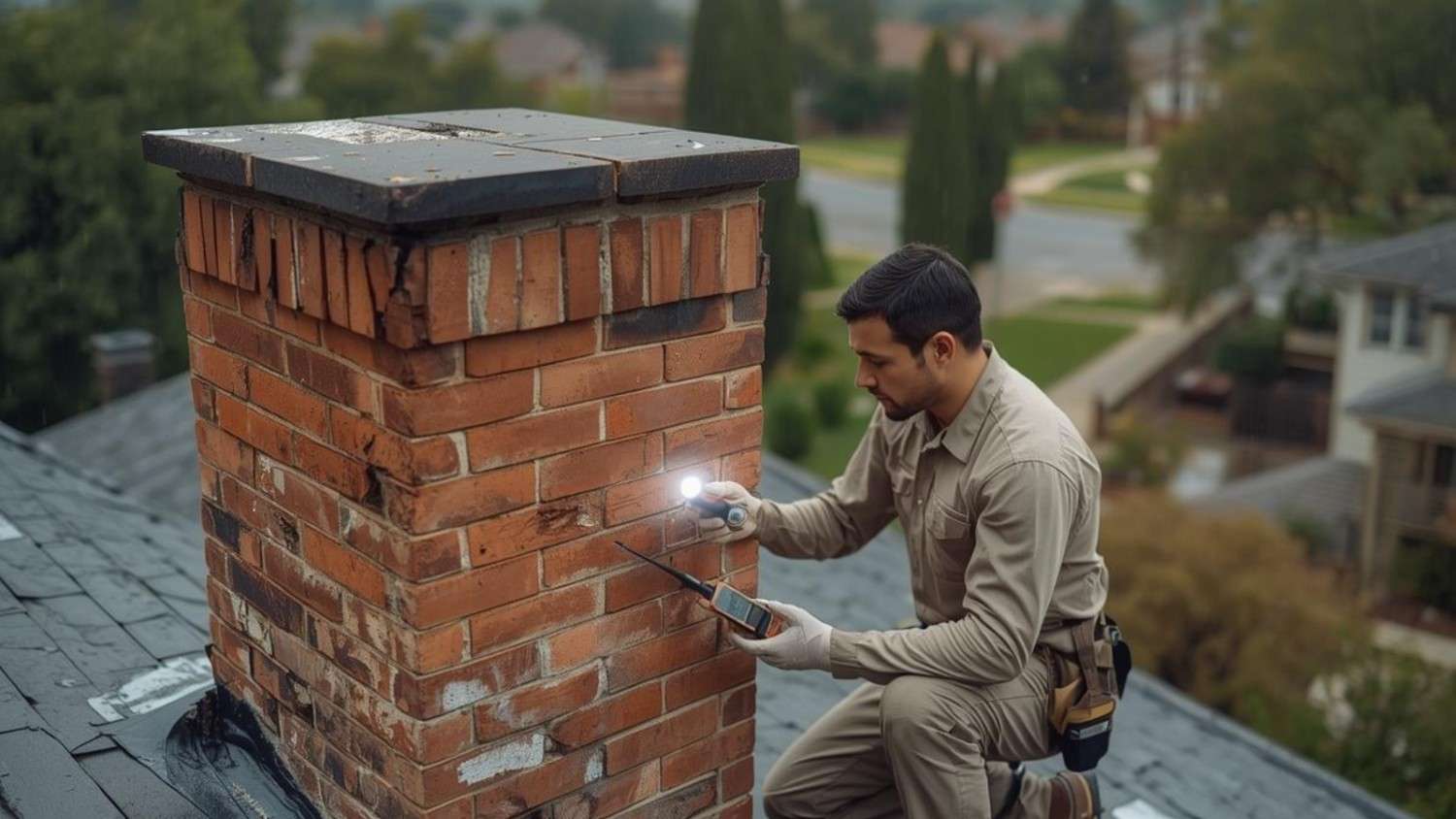

Table of Contents
You notice water stains on your ceiling or damp spots near your fireplace. You check the roof shingles, inspect the attic, and examine your windows. Everything looks fine. Yet the moisture keeps appearing.
The source you are missing may be your chimney.
Homeowners rarely suspect their chimney when tracking down moisture problems. Chimneys sit exposed on the roofline, enduring constant assault from rain, wind, and temperature swings. Over time, protective components fail quietly. Water enters through cracks, gaps, and deteriorated seals, traveling through wall cavities before revealing itself far from the actual entry point.
Water leak detection requires understanding how these systems fail and knowing which warning signs to watch for. This guide helps you spot problems early and shows you how professionals pinpoint the exact source.
Why Chimneys Are Easy to Overlook as Water Entry Points
When water appears inside your home, you naturally look at obvious suspects: the roof, windows, and plumbing. Chimneys rarely make the list. This oversight allows small problems to grow into major damage before you identify the true cause.
Out of Sight, Out of Mind
Most chimney components are either above the roofline or inside the structure, making them difficult to inspect. The chimney cap, crown, and flashing require roof access to be examined properly. Interior flue liners and mortar joints remain invisible without specialized equipment.
You may notice symptoms without understanding their source:
- Water stains appearing after storms with no obvious roof damage
- Musty odors near the fireplace that come and go
- Paint bubbling or wallpaper separating in seemingly random locations
- Dampness inside the firebox that dries between rains
Each symptom points to moisture penetration, but nothing visible explains where it originates. Meanwhile, water continues saturating your walls, ceiling materials, and structural framing.
Water Follows Unpredictable Paths
Chimney leaks rarely produce damage directly below the entry point. Water entering at the crown or flashing follows gravity and also moves laterally along framing members, insulation, and sheathing. A leak in your second-floor chimney flashing can produce stains on your first-floor ceiling.
You may hire a roofer who finds no shingle damage, or a plumber who confirms your pipes are sound. Without examining the chimney system specifically, the true source remains unidentified.
Common Chimney Failure Points You Should Know
Understanding where chimneys typically fail helps you focus your inspection efforts. Most water entry occurs at one of four locations.
Chimney Cap and Crown
The chimney cap sits at the very top of your structure. This metal covering deflects rain and debris away from the flue opening. Caps fail when they:
- Rust through from prolonged moisture exposure
- Warp or bend during high winds
- Blow off entirely during Santa Ana wind events
- Develop gaps from improper sizing or installation
Below the cap, the chimney crown forms a concrete or mortar seal around the flue. Cracks in the crown create direct pathways for water. Common causes include:
- Freeze-thaw cycles that expand small cracks over time
- Improper construction using mortar instead of proper crown materials
- Age-related deterioration in homes built before 1990
- Settlement shifting that stresses the crown surface
Flashing at the Roofline
Chimney flashing creates a waterproof seal where your chimney meets the roof. This junction involves layered metal components that direct water away from the intersection. Flashing failures occur frequently in older Los Angeles homes due to:
- Original installation shortcuts using caulk instead of proper step flashing
- Roof replacements that disturbed existing flashing without adequate repair
- Improper overlap between step flashing and counter flashing layers
- Corrosion accelerated by coastal salt air in beach communities
When flashing fails, water bypasses your shingles entirely and enters wall cavities or the attic.
Mortar Joints and Masonry
Brick chimneys rely on mortar joints to keep water out. Over decades, mortar deteriorates due to weather exposure, developing gaps that allow moisture to penetrate. You may notice:
- Visible cracks or missing sections in mortar lines
- White powdery deposits on brick surfaces (efflorescence)
- Spalling bricks, where the outer surface flakes away
- Dark staining on exterior masonry after rains
Each symptom indicates water is entering your masonry system.
Read More: Interior vs. Exterior Waterproofing: Pros, Cons, and Costs
Warning Signs That Point to Chimney Leaks
Spotting chimney leaks early prevents extensive damage. Watch for these indicators inside and outside your home.
Interior Warning Signs
The earliest evidence of chimney leaking typically appears near the fireplace or on adjacent walls and ceilings:
- Water stains or discoloration within 10 feet of your chimney
- Bubbling or peeling paint around the fireplace surround
- Wallpaper separating near the chimney wall sections
- Puddles or dampness inside the firebox after rainstorms
Efflorescence on interior brick surfaces deserves particular attention. This white, powdery residue indicates active moisture movement within your masonry and often precedes mold growth in wall cavities.
Exterior Warning Signs
Visible deterioration on your chimney exterior indicates water has already been causing damage:
- Cracked or missing sections of the chimney crown
- Rust stains below the chimney cap
- Gaps between flashing and chimney masonry
- Spalling or crumbling bricks
- Deteriorated mortar joints with visible gaps
- Leaning or tilting of the chimney structure
These signs warrant immediate professional inspection before interior damage worsens.
Structural Red Flags
As water infiltration continues unchecked, damage progresses to structural deterioration:
- Rust on the damper or other metal firebox components
- Damaged ceiling joists or rafters visible during attic inspections
- Soft or spongy drywall near the chimney
- Visible mold growth on walls or ceiling surfaces
- Sagging or warped ceiling sections
Once you observe structural damage, the leak has been active for an extended period. Repairs become more complex and costly at this stage.
Read More: Why Is Rain Leak Detection In Los Angeles So Important?
How Forensic Methods Pinpoint the Exact Source
Standard repair approaches often fail because they address symptoms rather than root causes. A roofer may replace shingles near your chimney, even though the actual leak originates at the crown. A mason might repoint mortar joints while damaged flashing continues to allow water to enter.
Our forensic methodology eliminates guesswork by systematically testing each potential entry point. This approach identifies the exact failure location before any repairs begin.
Systematic Top-Down Inspection
Tracing moisture pathways follows water’s natural movement downward. Our inspections begin at the cap and progress through each component:
- Cap and crown assessment: Technicians examine your chimney cap for rust, gaps, and secure mounting. The crown is inspected for cracks, chips, and separation at the flue edges. Flashlights and borescope cameras reveal damage invisible to the naked eye.
- Flue liner examination: This step identifies water trails and liner deterioration inside the chimney. Damaged liners allow moisture to contact surrounding masonry, accelerating degradation.
- Flashing evaluation: Careful examination of step flashing, counter flashing, and cricket installations reveals separation, corrosion, and installation defects.
- Masonry inspection: Technicians assess mortar joints for depth, condition, and water penetration. Brick surfaces exhibit spalling, cracking, or failed repair attempts.
Advanced Diagnostic Technology
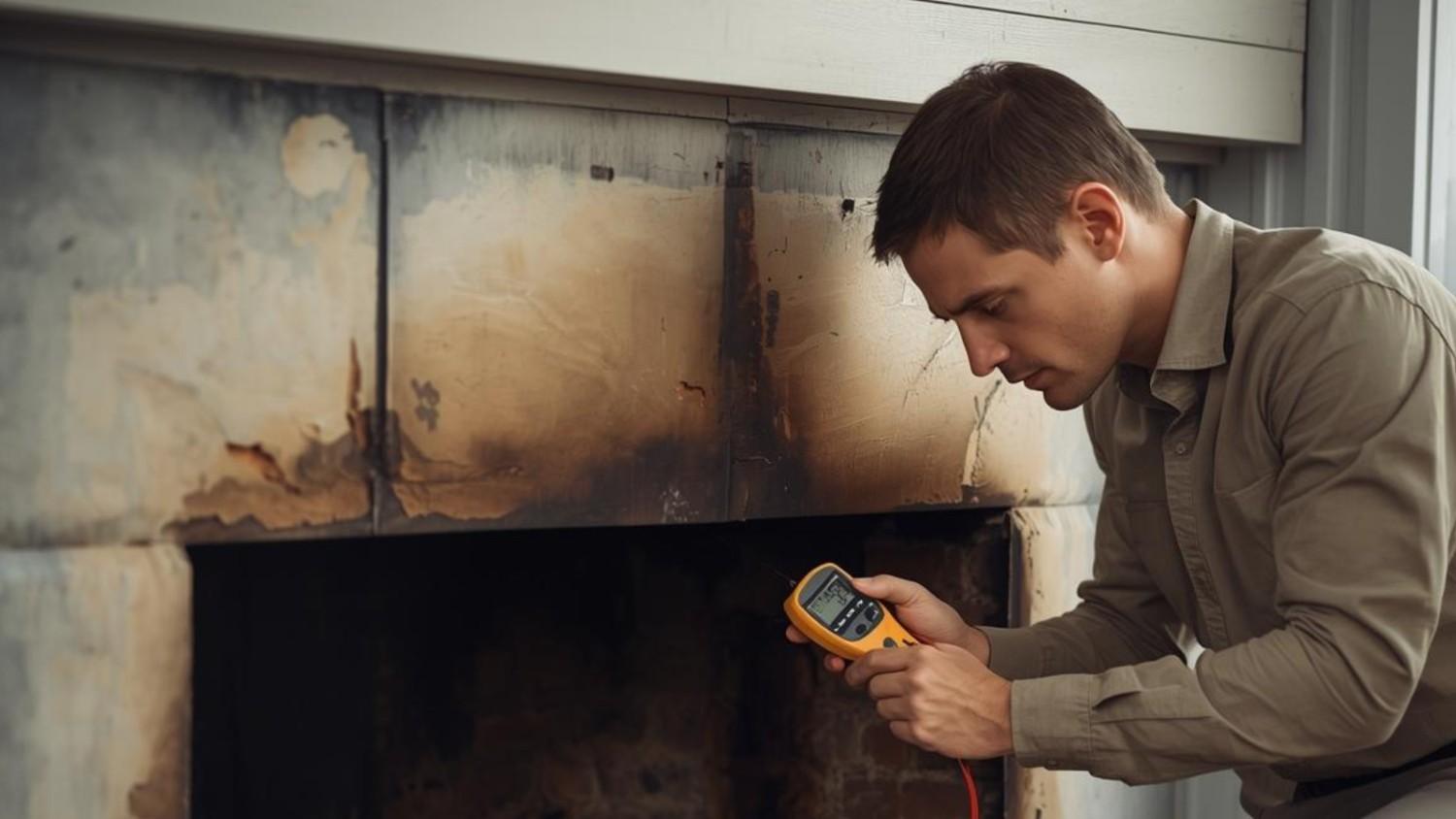
When visual inspection requires confirmation, our technicians deploy specialized equipment for non-invasive testing:
- Thermal imaging: Infrared cameras detect temperature differences caused by moisture. Wet materials appear distinctly different from dry ones, revealing saturation within your walls, ceilings, and structural cavities.
- Moisture meters: Pin-type and pinless meters measure actual water content in building materials. These readings distinguish between old staining and active leaks.
- Controlled water testing: This method isolates specific components by spraying sections individually while monitoring interior conditions. It replicates storm conditions and traces exact water paths through your building envelope.
- Smoke testing: Introducing smoke into the flue reveals air leakage paths that also allow water to enter. Smoke appearing in unexpected locations indicates a breach in the chimney system.
Read More: How Non-Invasive Moisture Meters Pinpoint Water Damage
What Happens After Detection: Permanent Repairs
Once the exact source is identified, repairs target the specific failure. Expert waterproofing teams handle chimney leak repairs as part of comprehensive building envelope restoration.
Common repair strategies include:
- Crown repairs: Elastomeric sealants bridge minor cracks while remaining flexible during thermal movement. Severely damaged crowns require complete rebuilding.
- Cap replacement: New units feature appropriate overhang, secure mounting, and mesh screening to prevent animal entry.
- Flashing restoration: This process removes deteriorated materials and installs new step flashing properly integrated with roofing materials.
- Mortar joint repointing: Technicians remove deteriorated mortar to the appropriate depth and replace it with compatible material.
- Waterproof coating application: Breathable masonry sealers protect your exterior brick surfaces while allowing vapor to pass through.
Completed repairs undergo water testing to confirm resolution. You receive documentation of all work performed, written guarantees, and insurance claim assistance for covered damage.
Protect Your Home with Professional Chimney Leak Detection
Chimney leaks that go undetected don’t stay small. Water works its way into framing, drywall, and insulation, and once mold takes hold in hidden wall cavities, restoration costs climb fast. If anything in this guide sounds familiar, schedule a professional chimney water intrusion assessment before the damage spreads
Our 37 years of experience solving complex leak problems means faster diagnosis and lasting solutions for your home. IICRC-certified technicians perform all work in accordance with industry standards. Contact us today to schedule a chimney leak inspection with Absolute Maintenance & Consulting.
About the Author
 Cameron Figgins
Cameron Figgins is the founder of Absolute Maintenance & Consulting. With over 30 years of hands-on industry experience, he specializes in identifying complex water intrusion issues in Southern California homes and is dedicated to helping homeowners protect their property with the latest in detection technology.”