
The Sudden Leak Problem: Why Is My Basement or Crawl Space Smelling Like a Leak All of a Sudden?
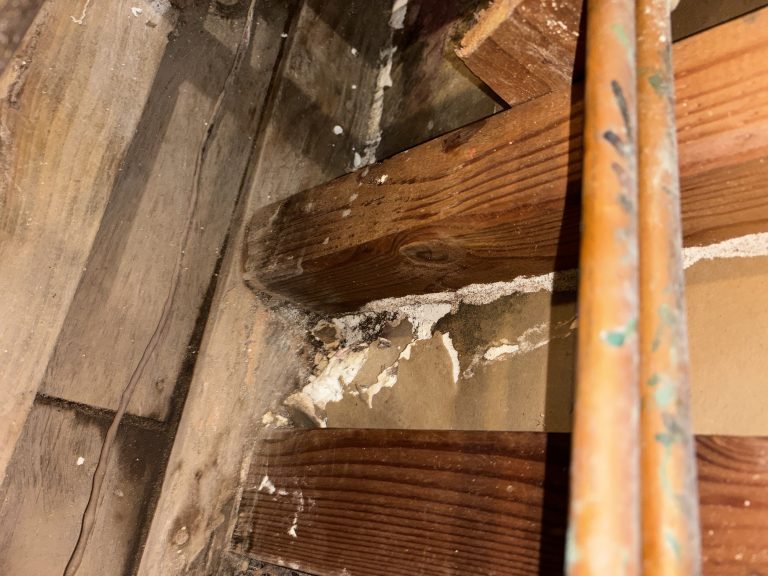

Table of Contents
If you have ever walked downstairs recently and caught an unpleasant whiff in your basement or crawl space, you’re not alone. Many homeowners experience this sudden, musty, or “leaky” smell seemingly out of nowhere. That sudden, unpleasant smell you’ve noticed in your basement or crawl space can be unsettling, and you’re right to be concerned.
At Absolute Maintenance & Consulting, we know that while the odor might feel like it appeared overnight, it’s often a clear signal of a hidden moisture problem that’s finally reached a tipping point. In Los Angeles, with our unique soil and building types, these issues are common. Our job isn’t just to tell you what the smell is; it’s to investigate and find the root cause. This guide will walk you through what does it mean when your basement or crawl space smells like a leak? Why does it seem to happen all of a sudden? And more importantly, what should you do about it before it turns into a costly issue?
Why Basements and Crawl Spaces Are Prone to Smells
Before we look at sudden leak odors, it helps to understand why these areas of the home are so vulnerable.
Moisture accumulation: Both basements and crawl spaces sit below grade, which means they’re naturally exposed to soil moisture, groundwater, and plumbing lines.
Limited ventilation: Unlike the rest of your home, these spaces often have poor airflow, allowing smells to build up.
Organic materials: Wood framing, insulation, cardboard boxes, or even stored furniture can absorb moisture and create a breeding ground for mold.
Dark, cool environment: Perfect conditions for mold, mildew, and bacterial growth.
Because of these factors, a small leak or rise in humidity can quickly create odors that weren’t there yesterday.
What “Leak Smells” Usually Indicate
When people describe a basement or crawl space “smelling like a leak,” they often mean one of these common odors:
Musty or earthy: Usually mold or mildew caused by damp materials.
Damp or wet concrete smell: Groundwater intrusion or plumbing seepage.
Rotting wood odor: Waterlogged framing or joists beginning to decay.
Sewage smell: Possible cracked sewer lines or leaking plumbing pipes.
Chemical smell: Leaking heating oil, gas lines, or certain waterproofing products reacting with moisture.
Each smell gives a clue about the type of problem hiding below your floors.
Why Odors Appear Suddenly and What to Do Next
Homeowners are often puzzled when odors appear without warning. Here are the most common reasons:
a) Weather Changes
Heavy rains, snowmelt, or sudden humidity spikes can push water into your basement or crawl space. Even if you don’t see standing water, hidden dampness in walls or insulation can cause an immediate odor.
b) Hidden Plumbing Leaks
A pinhole leak in a pipe or a slow drip from a water heater can take weeks to saturate surrounding material. Once enough moisture builds up, the smell hits suddenly.
c) HVAC System Circulation
If your HVAC system pulls air from your basement or crawl space, it can suddenly circulate odors throughout your home when the fan kicks on.
d) Seasonal Groundwater Levels
During certain seasons, the water table rises. That hidden hydrostatic pressure can force moisture through basement walls and floors overnight.
e) Mold Bloom
Mold grows silently until conditions become just right, then it multiplies rapidly. A small invisible colony can explode into a smelly problem in a matter of days.
Common Sources of Basement or Crawl Space Leak Smells
Here are the top culprits to check if your home has a sudden odor:
- Foundation Cracks
Even hairline cracks let groundwater seep in. Over time, trapped moisture breeds odor. - Leaky Plumbing Lines
Basement bathrooms, laundry hookups, or crawl space pipes are frequent offenders. - Condensation
Moist air hitting cool concrete walls or ducts creates condensation that drips and pools silently. - Poor Drainage Outside
Clogged gutters, short downspouts, or sloping soil can direct rainwater toward your foundation. - Vapor from the Ground
In crawl spaces without vapor barriers, soil moisture evaporates upward, carrying a musty smell. - Sewage or Septic Issues
Broken lines, backed-up drains, or failing sump pumps can leak wastewater. - Stored Items
Cardboard boxes, old carpets, or furniture left in damp conditions can become odor sponges.
How to Investigate the Problem
If your basement or crawl space suddenly smells, here’s a simple homeowner checklist:
- Look for visible water: Check floors, walls, and around plumbing fixtures.
- Inspect foundation walls: Look for cracks, damp spots, or efflorescence (white powdery residue).
- Check the HVAC system: Is it pulling musty air into your home?
- Examine insulation and wood: Press for soft spots, warping, or discoloration.
- Smell near drains and sump pumps: Sewage odors often collect there.
- Use a moisture meter: A cheap tool can detect hidden dampness in walls or wood.
If the smell persists but you can’t locate the source, it may be time to call a water damage or waterproofing professional.
Risks of Ignoring Leak Odors
It’s tempting to mask odors with air fresheners or dehumidifiers, but that only hides the problem. Ignoring the smell can lead to:
- Mold growth: Mold can spread to living spaces and impact indoor air quality.
- Structural damage: Rotting wood and saturated drywall lose strength.
- Higher energy bills: Moist air is harder to heat and cool.
- Health risks: Mold spores and sewer gases can trigger allergies, asthma, and other respiratory problems.
- Expensive repairs: What starts as a small leak can require major restoration if left untreated.
Solutions and Prevention
Once you’ve identified the source, here are steps to fix and prevent the problem:
- Fix leaks immediately: Repair plumbing issues, cracked sewer lines, or faulty sump pumps.
- Seal the foundation: Use professional-grade waterproofing systems, epoxy crack injection, or exterior drainage solutions.
- Improve ventilation: Add vents, fans, or air circulation systems to basements and crawl spaces.
- Install vapor barriers: In crawl spaces, a plastic vapor barrier prevents soil moisture from evaporating upward.
- Use a dehumidifier: Keeps humidity below 50% to prevent mold growth.
- Maintain gutters and grading: Ensure rainwater flows away from the foundation, not toward it.
- Regular inspections: Catch small problems before they turn into big, smelly ones.
When to Call a Professional (Or AMC?)
If you notice any of the following, professional help is strongly recommended:
- Strong, persistent odors that don’t go away with ventilation.
- Visible mold growth larger than 10 square feet.
- Standing water that reappears after drying.
- Sewage smells or suspected septic/sewer line leaks.
- Cracks in the foundation letting in water.
Water damage and waterproofing experts can run tests, install long-term drainage systems, and eliminate odors at the source.
Protect Your Home from Basement Moisture and Odors
A sudden leak smell in your basement or crawl space is your home’s way of telling you something is wrong. While the odor may feel like it appeared overnight, the root cause is usually an ongoing moisture problem that finally reached the tipping point.
By identifying the source, taking quick action, and investing in prevention, you can protect your home from mold, structural issues, and expensive repairs.
Don’t ignore that smell. Call AMC today.
About the Author
 Cameron Figgins
Cameron Figgins is the founder of Absolute Maintenance & Consulting. With over 30 years of hands-on industry experience, he specializes in identifying complex water intrusion issues in Southern California homes and is dedicated to helping homeowners protect their property with the latest in detection technology.”