
How to Get Rid of Mildew Smell


Dealing with mildew smell can be a frustrating and persistent problem. It often sneaks up in areas that are hard to reach or spot. The musty odor can linger, even after cleaning, and it may make your home feel uncomfortable and unwelcoming.
If you’ve tried to tackle the problem but it keeps coming back, you’re not alone.
In this guide, we’ll take you through everything you need to know about mildew smell and how to get rid of it completely. From identifying the source of the scent to implementing practical removal methods, we’ll cover all the necessary steps.
To provide further guidance, we’ll also discuss preventive measures to stop mildew from returning and how a comprehensive mold remediation can be part of a holistic solution. Let’s get started.
Understanding What Mildew Smell Is and Why It Occurs
Mildew smell is a musty, damp odor that results from the growth of mildew, a type of fungus. Mildew typically thrives in warm, humid environments, often in places with poor ventilation.
The release of gases causes the smell as the mildew breaks down organic materials. These gases can accumulate and create a strong, unpleasant odor that can permeate your entire home.
Diving deeper, here are a few reasons why it’s essential to get rid of the mildew smell:
- Health risks: Mildew and mold can trigger allergies, respiratory issues, and other health problems, especially for those with asthma or weakened immune systems.
- Property damage: Left unchecked, mildew can cause significant damage to walls, flooring, furniture, and fabrics.
- Persistent odor: The longer the mildew stays, the stronger the smell becomes, often seeping into hard-to-clean surfaces.
- Reduced air quality: Mildew affects the air you breathe, leading to poor indoor air quality and an uncomfortable living environment.
Additionally, removing mildew is crucial for more than just odor control. The smell itself is a sign that mildew is actively growing in your space. If left untreated, it can cause damage to your property and affect indoor air quality. Mildew also has the potential to lead to mold growth, which can be harmful to your health.
In conclusion, it is essential to keep in mind that understanding why mildew smells and where it thrives enables you to target the source effectively.
How to Identify the Source of Mildew Smell in Your Space
Identifying the source of the mildew smell is key to eliminating the problem. It’s not always obvious, as mildew tends to grow in hidden or hard-to-reach areas. By carefully investigating your space, you can pinpoint the origin of the odor and tackle it effectively.
Let’s explore the best ways to identify and locate mildew and understand where it hides. Below, we’ll discuss practical inspection techniques to help you determine the source and eliminate the smell for good.
Visual Inspection Techniques for Finding Mildew Growth
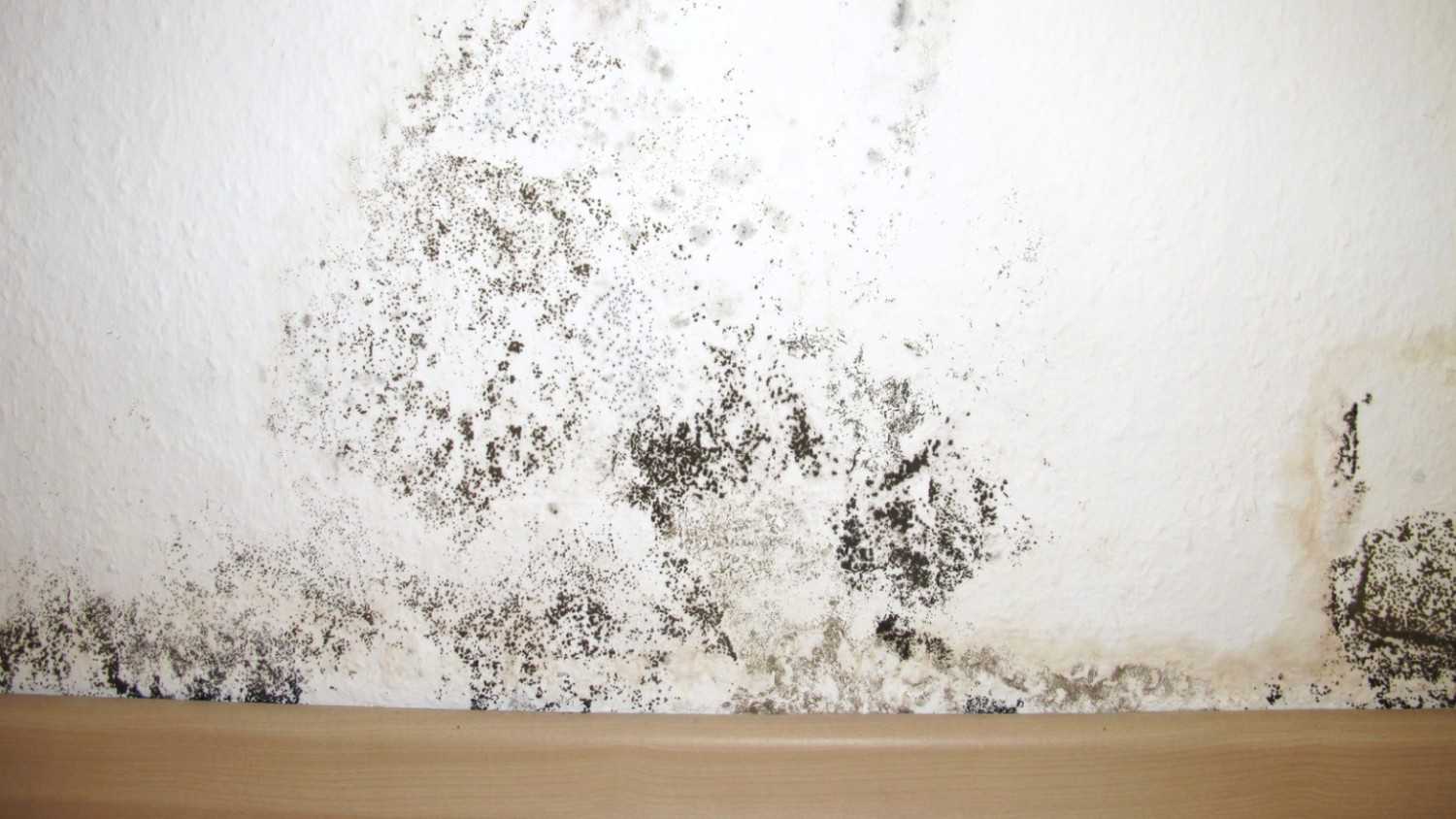
Begin by inspecting areas where moisture commonly accumulates. Look for visible signs of mildew, such as fuzzy or powdery white, gray, or greenish spots. These areas include ceilings, corners, or behind furniture. Check for water stains or discoloration, as these are often telltale signs of moisture problems, which create ideal conditions for mildew growth.
Don’t forget to inspect high-humidity areas, such as bathrooms, kitchens, and basements. Pay special attention to any areas that tend to be darker, as mildew thrives in low-light environments. The goal is to spot early signs before the mildew spreads further.
Common Hidden Areas Where Mildew Develops
Mildew often develops in places that aren’t immediately obvious. Areas with poor ventilation, such as behind furniture, under carpets, and inside closets, tend to harbor moisture and mildew growth. Since these areas aren’t frequently disturbed, they can easily be overlooked during regular cleaning routines.
When getting rid of musty smell, remember that mildew might be hiding in places like air ducts or behind drywall. Leaks, humidity, or condensation can seep into these hidden areas, causing mildew to develop unnoticed. Identifying these spots early is crucial for tackling the problem before it worsens.
Using Your Senses to Track Down Odor Sources
Your senses can be incredibly helpful in pinpointing the location of mildew. As soon as you detect the musty smell, try to follow it to its source. Walk around your space and see where the scent is strongest. Often, it will lead you straight to the areas most affected by mildew growth.
In addition to smell, touch can also help. If certain surfaces feel damp or unusually cool, it could be a sign of trapped moisture. These clues can help narrow down the specific areas to target during your search.
Professional Detection Methods and Tools
If you can’t find the mildew source through a visual or sensory inspection, professional tools may be necessary. Experts use moisture meters, which measure hidden water levels inside walls, floors, or ceilings. Thermal imaging cameras also help detect temperature differences in surfaces, which can indicate the presence of moisture buildup. A mold inspection combines these tools to find the source.
In more serious cases, professionals can perform air sampling to detect mildew spores that might not be visible but are still contributing to the odor. These advanced tools can pinpoint the exact source of mildew, even in the most hidden spots, ensuring a thorough remediation.
Effective Methods to Remove Mildew Smell Completely
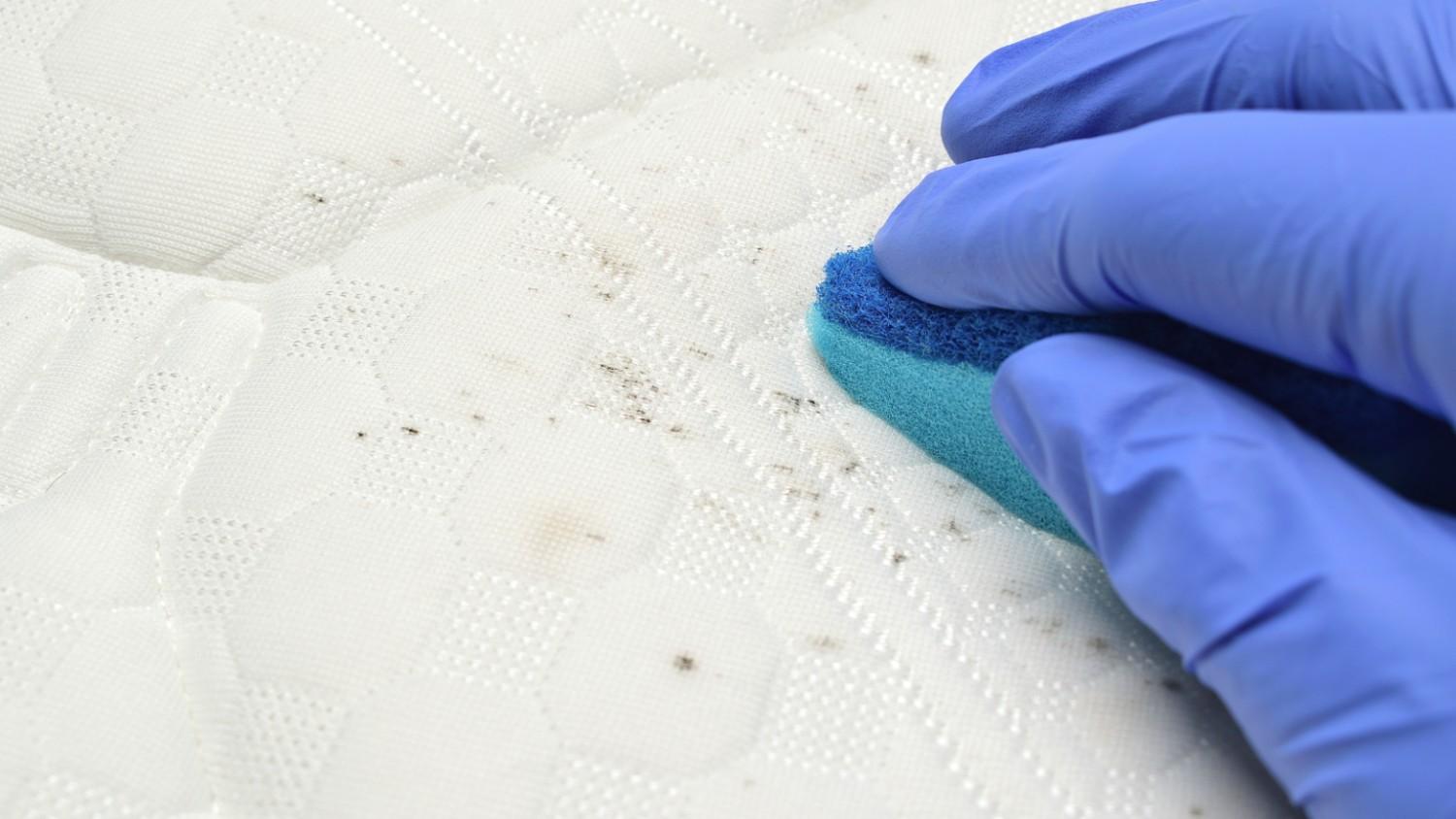
Once you’ve located the mildew source, it’s time to take action. Removing the odor and mildew completely requires a strategic approach. Depending on the severity and location of the mildew, different techniques are needed for various surfaces and materials.
Let’s explore practical ways to address the smell and restore freshness to your space.
Immediate Emergency Steps for Fresh Mildew Odors
When you first detect a fresh mildew smell, it’s essential to act quickly. Open all windows and doors to improve ventilation and let fresh air flow through the affected area. If the mildew is confined to a small space, using a fan can help speed up the drying process by circulating air and lowering humidity levels.
Another key step is to use a dehumidifier. These devices draw excess moisture from the air, reducing the chances of mildew growth. Placing a dehumidifier in the affected area can help reduce humidity and prevent the further spread of mildew.
While these steps won’t eliminate the mildew odor, they’ll slow down its growth. For long-term solutions, you’ll need to follow up with more thorough cleaning methods.
Deep Cleaning Techniques for Fabrics and Textiles
Fabrics are notorious for absorbing mildew odors. To effectively eliminate the smell, start by washing any washable textiles in hot water. Use a detergent specifically designed to combat mold or mildew and add a cup of white vinegar or baking soda to the wash to neutralize odors.
For items that can’t be machine-washed, like upholstered furniture or mattresses, use an enzyme-based cleaner. These cleaners break down the mildew spores and effectively remove the musty smell. Be sure to test any cleaner on a hidden area first to ensure it doesn’t damage the fabric.
After cleaning, allow fabrics to air dry in the sun, if possible. The UV rays from sunlight naturally kill mildew spores and help eliminate lingering odors. If the smell persists, repeating the cleaning process or consulting a professional cleaner may be necessary.
Treating Hard Surfaces and Structural Elements
Mildew can also adhere to hard surfaces, such as tiles, wood, and drywall. Start by scrubbing the affected areas with a solution of white vinegar and water or hydrogen peroxide. Both options are effective at killing mildew and removing odors. Use a stiff brush to scrub away any mildew growth and allow the solution to sit for a few minutes before wiping it away.
For more stubborn mildew, consider using a commercial mildew remover designed for hard surfaces. These products are formulated to penetrate deeper into the material, eliminating mildew at its source. After cleaning, ensure the area is thoroughly dried to prevent future growth.
If mildew has affected structural elements, such as drywall or wood, you may need to replace or treat the damaged areas. Sanding or using a specialized primer can help seal affected surfaces and prevent further mildew development.
Natural Remedies and Household Solutions
If you prefer natural methods, several household items can help effectively combat mildew smells. Vinegar is a strong natural disinfectant and can kill mildew on both hard surfaces and fabrics. Mix equal parts vinegar and water in a spray bottle, and apply it to the affected areas. Allow it to sit for 10-15 minutes before wiping it clean.
Baking soda is another helpful tool. It absorbs odors and can be sprinkled on carpets, upholstery, or other fabrics to eliminate unpleasant scents. After allowing it to sit for several hours, vacuum it up to remove both the odor and any mildew spores. This can be especially helpful when trying to freshen up fabrics without needing a complete wash.
Incorporating these methods into the mold remediation process is an excellent way to address the mildew odor while using non-toxic and eco-friendly solutions. Keep in mind, though, that natural remedies might not be as effective for large infestations, in which case professional help might be necessary.
Commercial Products and Professional Treatment Options
For more severe mildew issues, commercial mildew removers can be a more effective option. These products are designed to penetrate deeply into porous materials and kill mildew at its root. Some are formulated to be safe for use on fabrics, while others are specifically designed for hard surfaces. Always follow the manufacturer’s instructions for the best results.
In some cases, hiring a professional to handle mildew removal is the best course of action. Professionals use powerful cleaning agents and specialized equipment that can more thoroughly address the problem. They may also conduct a thorough inspection to determine if mold is present, helping you avoid future issues.
When selecting a professional service, choose one that specializes in comprehensive mold remediation. This ensures that they are equipped to handle all aspects of mildew and mold removal, from identifying hidden growth to effectively treating affected areas.
Prevention Tips and Long-Term Strategies to Stop Mildew Smell
Preventing mildew smell from returning requires a combination of moisture control and regular maintenance. By addressing the root causes of mildew growth, you can prevent it from becoming a problem.
Keeping your space dry, well-ventilated, and free from excess moisture will go a long way in maintaining a fresh, clean environment.
Here are some essential pointers to help prevent mildew growth and its associated odors:
✅ Maintain proper ventilation: Ensure that areas with high humidity, such as bathrooms and kitchens, are correctly ventilated. Use exhaust fans or open windows to maintain consistent airflow.
✅ Control indoor humidity: Invest in a dehumidifier to keep humidity levels below 50%. This will reduce the moisture levels in the air that mildew thrives on.
✅ Fix leaks promptly: Check for leaks in plumbing, roofs, and windows. Even small, unnoticed leaks can lead to mildew growth if left unchecked.
✅ Clean and dry damp areas quickly: If you spill water or have wet spots, clean them up as soon as possible to prevent moisture buildup.
✅ Use moisture-resistant materials: Consider using mildew-resistant paints, fabrics, and materials in areas prone to high moisture levels, like basements or bathrooms.
Taking these preventive steps is the best way to prevent a mildew smell before it becomes an issue. A proactive approach, including regular cleaning and moisture management, can help keep your home fresh and free from musty odors.
By ensuring your space remains dry and well-ventilated, you can reduce the risk of mildew growth and the associated odors.
Key Takeaways
Mildew smell is a sign of excess moisture and can lead to property damage and health issues. Identifying the source of the odor early is essential to prevent further spread. There are several ways to eliminate the smell, from visual inspections to deep cleaning.
Preventing mildew primarily involves controlling moisture levels and enhancing airflow. Regularly check for leaks and use dehumidifiers to maintain optimal humidity. A proactive approach helps keep mildew at bay and ensures a fresh-smelling space.
If the problem is severe or persistent, consider consulting a water intrusion specialist. They can identify and address hidden moisture sources, offering solutions to prevent future growth. Staying ahead of the issue will save you time and effort in the long run.
About the Author
 Cameron Figgins
Cameron Figgins is the founder of Absolute Maintenance & Consulting. With over 30 years of hands-on industry experience, he specializes in identifying complex water intrusion issues in Southern California homes and is dedicated to helping homeowners protect their property with the latest in detection technology.”