
Stucco Leak Detection: Finding Water Entry in LA’s Popular Finish
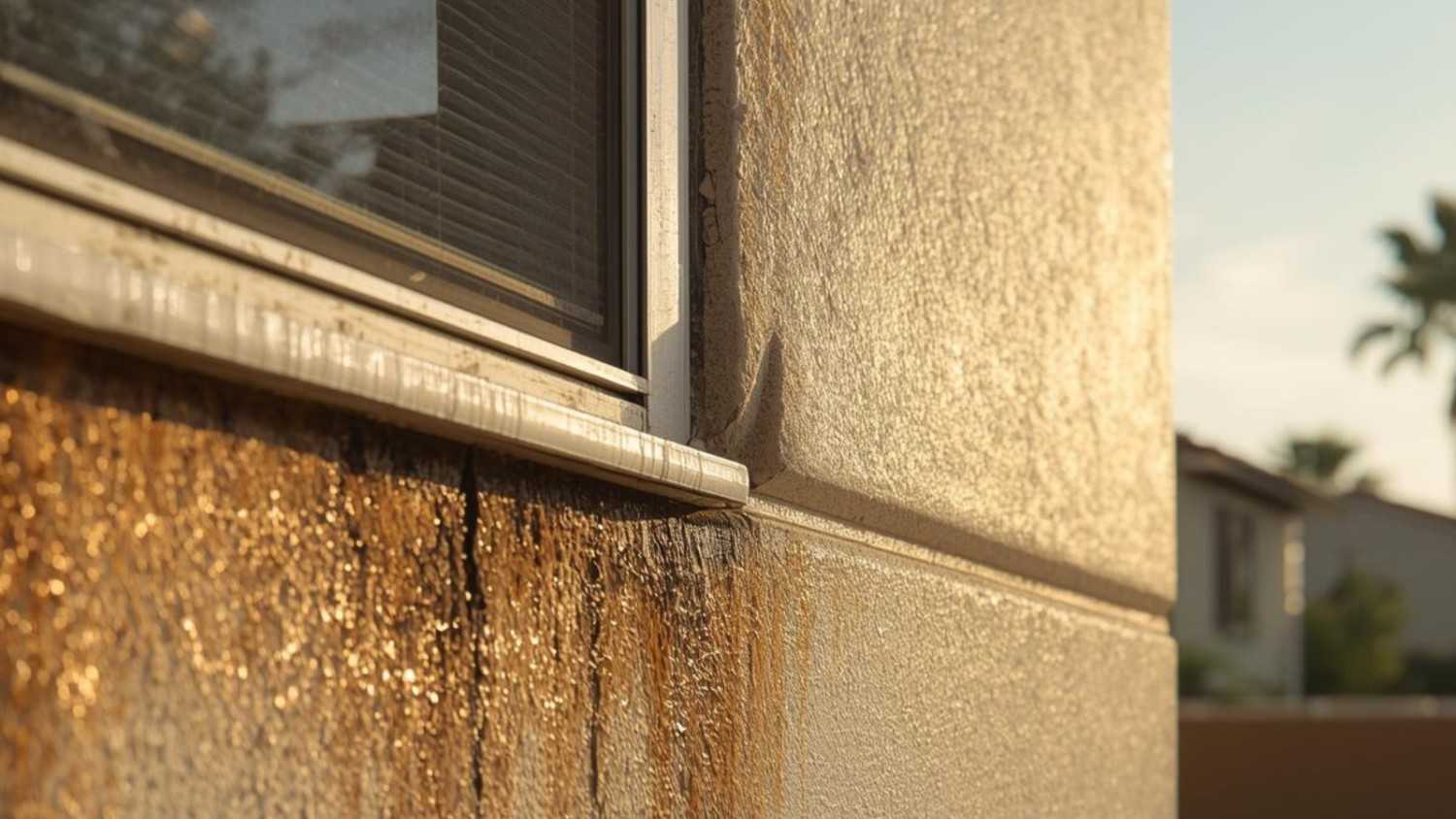

Table of Contents
Stucco covers more exterior walls in Los Angeles than any other finish. Its textured appearance and durability made it the default choice for decades of residential construction. But stucco has a weakness: it absorbs water. When cracks form or flashing fails, moisture seeps behind the surface and becomes trapped against your home’s framing.
The challenge with stucco leaks is that damage happens where you cannot see it. Water intrusion often comes through small openings, travels behind the material, and saturates wood framing, insulation, and sheathing long before symptoms appear inside your home.
Understanding how stucco leak detection from IICRC and MICRO-certified technicians works helps you protect your property and catch problems before they escalate.
Common Causes of Stucco Leaks in Los Angeles
Stucco is a cement-based material applied in layers over wire lath and building paper. When properly installed and maintained, it sheds water effectively. Window and door openings are the most common entry points for wall leaksnd relies on drainage planes and weep systems to direct water away from the structure beneath. When those systems fail or cracks create direct pathways, water gets trapped with nowhere to go.
Los Angeles presents a unique combination of factors that make stucco exteriors particularly vulnerable.
Seismic Activity and Crack Formation
LA sits in one of California’s most active seismic regions. Even minor tremors cause buildings to shift, and stucco cannot flex with that movement. Over time, micro-cracks develop at stress points around corners, windows, doors, and locations where dissimilar materials meet.
When cracks widen beyond 1/16 inch, they turn into channels for rainwater. Water moves inward by gravity and capillary action, pooling behind the building envelope. Seasonal temperature changes cause stucco to expand and contract, gradually widening these cracks year after year.
Flashing and Caulking Failures
Window and door openings are the most common entry points for wall leaks in stucco homes. Metal flashing installed around these penetrations directs water away, but improper installation or degraded materials allow moisture to slip behind the stucco.
LA’s intense UV exposure accelerates caulking breakdown. What starts as a flexible seal becomes brittle and cracked within a few years. Many homes built before current building codes were in place lack adequate flashing details, leaving seams exposed to every rainstorm.
Missing Weep Screeds and Ground Contact
Weep screeds are metal strips installed at the base of stucco walls that create a gap allowing moisture to drain and evaporate. Older LA homes often lack proper weep screeds, or landscaping changes have buried them under raised soil levels.
When stucco contacts soil directly, capillary action wicks ground moisture upward through the porous material. This moisture travels behind the lath and building paper, becoming trapped against the wood framing without a drainage path.
Which Homes Face the Highest Risk
Not every stucco home faces the same vulnerability. Properties with certain characteristics face greater exposure to the causes described above:
- Homes built before 2000 that lack modern moisture barriers, proper flashing details, or weep screeds
- Coastal properties where salt air accelerates caulking and flashing deterioration
- Flat-roof and parapet-heavy architecture with more roof-to-wall transitions where water can pool
- Recent window or door replacements, where contractors may not have re-flashed properly
- Hillside homes that are subject to concentrated seismic stress and drainage patterns directing water toward foundations
Warning Signs That Suggest Stucco Leaks
Stucco leaks often remain undetected until significant damage develops. Knowing what indicators to watch for helps you catch problems earlier.
What to Look for Outside
Walk around your property and check for these signs:
- Diagonal cracks near windows and doors that are wider than 1/16 inch
- Dark stains or streaking after rain
- Efflorescence, the white crystalline deposits left when moisture migrates through the material
- Bulging or soft spots, particularly if stucco feels spongy or bows outward when pressed
What to Look for Inside
Interior symptoms often indicate that water has been entering for weeks or months:
- Musty odors along exterior walls
- Soft or spongy drywall near baseboards or below windows
- Peeling paint or bubbling wallpaper on exterior-facing walls
- Mold growth at baseboards or ceiling corners
Read More: Venetian Stucco Waterproofing in Los Angeles: Why Most Sealants Fail (And What Actually Works)
How Stucco Leak Detection Works
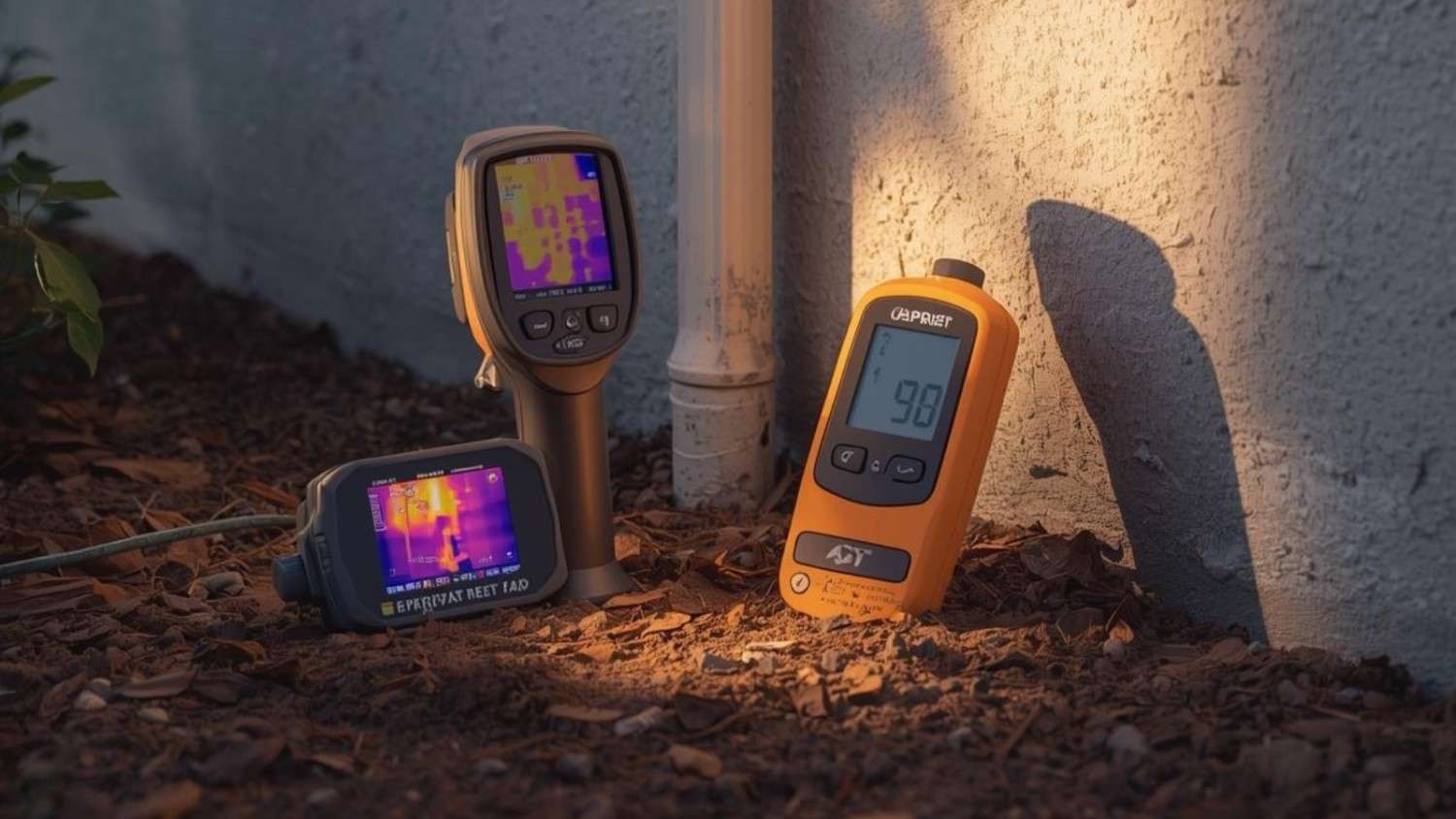
Professional stucco leak detection uses multiple technologies to find water entry points and map moisture paths without demolition.
Thermal Imaging
Thermal imaging cameras detect temperature differences within wall assemblies. Moisture absorbs and retains heat differently than dry materials, causing wet areas to appear as distinct cool zones on the camera display. Thermal scans reveal exactly where water has traveled and can identify active points of entry, especially when performed during or shortly after rain events.
Moisture Meter Testing
Non-invasive moisture meters take precise readings through drywall and stucco surfaces by measuring changes in electrical resistance or capacitance. Inspectors compare readings against baseline dry measurements to determine saturation levels and track how far water has migrated from the original intrusion point.
Simulated Rain Testing
ASTM E2128 testing uses calibrated spray nozzles to replicate storm conditions in a controlled manner. Inspectors apply water at specific pressures to suspected leak points, then observe exactly where and how water penetrates the envelope. This method provides definitive answers for difficult cases by showing water physically entering cracks, flashing gaps, or failed caulking joints, rather than inferring locations from damage patterns.
Read More: New Year, No Leaks: Why Rain Leak Detection is Essential for Los Angeles Homes Coming Out Of Winter
How Damage Progresses Over Time
Understanding the timeline of stucco leak damage helps explain why early detection matters:
- Within weeks: Moisture becomes trapped with no evaporation path. Building materials begin absorbing water, and humidity levels rise in the wall cavity.
- Within months: Wood framing starts to rot, and mold colonies establish in dark, damp cavities. Insulation loses effectiveness as it absorbs moisture.
- Within years: Structural framing weakens and may require extensive reconstruction. Mold can spread into HVAC systems, affecting indoor air quality throughout the home.
A small crack that allows water entry during a single rainstorm can cause thousands of dollars in damage within one wet season.
What Happens After Detection
Once IICRC and MICRO-certified inspectors identify leak sources and map the extent of moisture, repair planning can begin with accurate information rather than guesswork.
Effective repairs address root causes, not just visible symptoms. A crack is a symptom. The actual problem might be substrate movement, improper original installation, material degradation, or missing drainage components. Repairs that only seal surface cracks without addressing underlying issues often fail within a few years.
Common repair approaches include:
- Crack injection and sealing using flexible materials that accommodate building movement
- Removal and replacement of failed flashing around windows and doors
- Caulking removal and reapplication with high-performance sealants rated for UV and salt exposure
- Weep screed installation or excavation to restore proper drainage clearance
- Substrate repair where rot has compromised structural integrity
Properties with extensive damage may benefit from comprehensive stucco waterproofing systems that create additional moisture barriers across the entire exterior.
Read More: Interior vs. Exterior Waterproofing: Pros, Cons, and Costs
Insurance Considerations for Stucco Leak Damage
Homeowners insurance coverage for stucco leak damage depends largely on cause and timing:
- Typically covered: Sudden water damage resulting from a specific event, such as storm damage that creates a new intrusion point
- Often excluded: Gradual damage resulting from deferred maintenance, such as cracks that developed over the years without repair
- Limited coverage: Many policies cap or exclude mold damage once it reaches certain thresholds
Expert leak detection that documents exactly when and where water entered can support insurance claims by establishing cause. This evidence helps differentiate between sudden damage and gradual neglect, which directly affects coverage decisions.
When to Schedule a Stucco Leak Inspection
Proactive inspection makes sense for older stucco homes because many leaks cause significant damage before any symptoms appear. Catching problems early, before rot and mold establish, dramatically reduces repair costs and complexity.
Consider stucco leak detection if:
- Your home matches any high-risk profile described above
- You notice exterior or interior warning signs
- You are purchasing a stucco property and want to understand its condition before closing
- Your home is more than 20 years old with original stucco
The cost of professional leak detection is minimal compared to the expense of repairing structural damage or remediating mold that has spread through wall cavities over months of undetected moisture intrusion.
Protect your home before hidden moisture turns into costly structural damage by seeking help from the experts. We have over 37 years of experience handling water intrusion and damage cases across Southern California. Contact Absolute Maintenance and Consulting to schedule a stucco leak inspection today and get clear answers about your property’s condition.
About the Author
 Cameron Figgins
Cameron Figgins is the founder of Absolute Maintenance & Consulting. With over 30 years of hands-on industry experience, he specializes in identifying complex water intrusion issues in Southern California homes and is dedicated to helping homeowners protect their property with the latest in detection technology.”