
Why You Should Never Use Bleach to Clean Mold
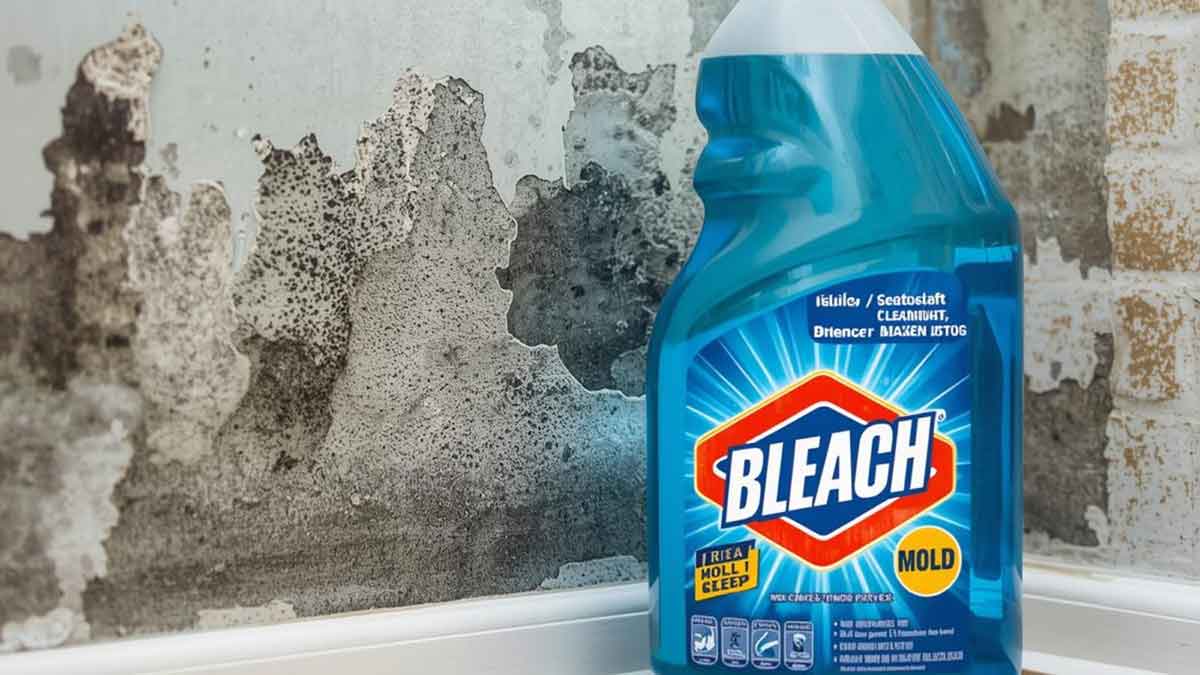

Table of Contents
Mold can show up fast. A small damp patch behind a wall, under a sink, or near a window can turn into dark stains and a strong odor in days. Many people reach for bleach, thinking it’s the simplest way to clean it up. The problem is that bleach doesn’t solve the issue. It hides it temporarily and often makes it worse.
Using bleach on mold feels convenient at first. It’s cheap, easy to find, and seems powerful. But the truth is, it only cleans the surface. Mold grows deeper, spreads wider, and keeps releasing spores into the air. What looks clean soon turns into another round of mold buildup, sometimes more severe than before.
That’s where professional help matters. Mold remediation services don’t just remove stains; they target mold at its root, fix moisture problems, and prevent it from coming back.
In this article, you’ll learn why you should never use bleach to clean mold and what works better instead.
What Is Mold Growth and Why Does It Appear in Your Home
Mold is a living organism that thrives in moisture. It feeds on organic materials such as wood, paper, and drywall. Once mold spores settle in a damp spot, they begin to grow and spread through tiny airborne particles. You might not see them at first, but you’ll notice musty smells or dark patches soon after.
Mold often appears in your home due to:
- Leaking pipes or roofs that create damp surfaces
- Condensation from poor ventilation or high humidity
- Flooding or water damage left untreated
- Steam from bathrooms and kitchens without exhaust fans
- Wet clothes, carpets, or materials that stay damp for long periods
If mold isn’t addressed, it can weaken materials, cause odors, and lead to health issues. Controlling moisture is the first step to stopping it. Clean surfaces alone won’t fix the problem. You need to find where the moisture is coming from, remove it completely, and treat the affected area properly to prevent mold from coming back.
The Science Behind Why Bleach Fails Against Mold Growth
Bleach looks strong on the surface, but it’s chemically unfit for mold removal. It reacts fast, loses power quickly, and leaves behind conditions that help mold return. To understand why it fails, we need to look at how mold behaves, how bleach works, and what actually happens when the two meet.
How Mold Penetrates Porous Surfaces and Materials
Mold isn’t limited to what you can see. Once spores land on a damp surface, they grow into thin, thread-like structures called hyphae. These spread into porous materials such as drywall, wood, and fabric. Mold uses these materials as both food and shelter, pulling nutrients from cellulose and expanding through the smallest openings.
When you clean mold from a surface, you’re only addressing what’s visible. The real problem exists below, hidden in layers of material that stay damp. Even if the surface looks clean afterward, the living mold inside continues to spread quietly. This deep growth makes mold hard to eliminate without professional intervention or targeted cleaning solutions that can reach those roots.
This is why mold keeps coming back. The spores that remain in porous surfaces begin to regrow when moisture returns. Without full penetration or material removal, the problem never truly goes away.
The Chemical Composition of Bleach and Its Surface-Level Limitations
Bleach, also known as sodium hypochlorite, is mostly water mixed with a small amount of chlorine. It works by oxidizing and breaking down organic matter, which quickly removes stains and discoloration. This gives a false impression that the surface is clean.
However, bleach reacts only with what it comes into contact with. Its large molecular size prevents it from seeping deep into materials where mold roots live. Once the chlorine evaporates, the remaining water seeps in and feeds the mold underneath. That’s why it often returns in the same spot.
Professionals understand the importance of mold containment because bleach can’t stop spores from spreading during cleaning. Instead of removing mold, it disturbs colonies, sending invisible spores into the air. Without containment and proper tools, that invisible spread becomes a new infestation somewhere else.
Why Bleach Cannot Kill Mold Roots and Hyphae Networks
Mold behaves more like a plant than a stain. It grows roots that anchor into porous surfaces. These roots, or hyphae, absorb nutrients and help the colony survive even when surface growth is cleaned away.
Bleach doesn’t reach these roots. It kills spores and surface pigments but doesn’t penetrate deeper structures. Once the chlorine evaporates, the roots absorb moisture from what’s left behind and start growing again.
This makes bleach a temporary fix. What looks like success is often just a short pause in mold activity. Without targeting the hyphae, mold will always return stronger and spread further.
The Evaporation Problem That Leaves Water Behind
Bleach is made mainly of water, and water is what mold thrives on. When applied, the chlorine portion of bleach evaporates quickly, especially in warm or ventilated areas. What remains is plain moisture that seeps into the surface.
This moisture becomes food for the surviving mold. Even if the surface looks clean, the water that stays behind feeds hidden roots. Within a few days, new colonies start forming again.
The cycle continues with every cleaning attempt. Each use of bleach adds more moisture, allowing the mold to grow back thicker and deeper. Instead of stopping the problem, bleach sustains it.
The Hidden Dangers and Health Risks of Using Bleach on Mold
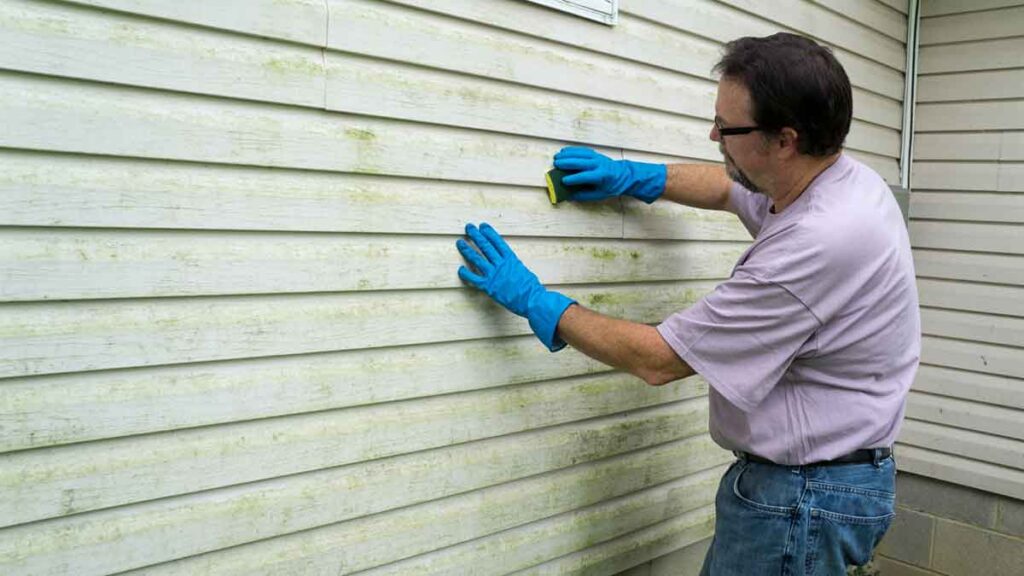
Using bleach on mold isn’t just ineffective; it can be dangerous. The chemical reactions that happen during cleaning release toxic fumes and increase exposure risks. Understanding what happens to your health during and after bleach use is critical to avoiding long-term harm.
Toxic Fume Production and Respiratory Complications
When bleach comes into contact with mold or other organic materials, it releases chlorine gas and chloramines. These are highly irritating to the lungs, eyes, and throat. Even short exposure can trigger coughing, headaches, or difficulty breathing.
People with asthma, allergies, or existing respiratory conditions are susceptible to these fumes. They may experience flare-ups or prolonged breathing issues after cleaning. Ventilating the area doesn’t eliminate the danger since fumes linger in the air and on surfaces.
Extended or repeated exposure increases the risk of chronic respiratory irritation. Using bleach in enclosed spaces like bathrooms or basements increases this risk.
Skin and Eye Irritation from Bleach Exposure
Bleach is corrosive. When it comes into contact with the skin, it can cause redness, dryness, or even chemical burns. During cleaning, splashes are common, especially when scrubbing or spraying on vertical surfaces.
Eyes are at even greater risk. A small drop can cause intense stinging, watering, and in severe cases, vision damage. Protective gear helps, but most people underestimate how reactive bleach can be in close quarters.
Professionals who follow the mold remediation process avoid using bleach entirely. They use specialized products that kill mold without corroding skin or releasing toxic vapors. These products are safer, more effective, and designed for controlled applications.
The Deadly Consequences of Mixing Bleach with Other Cleaning Products
Bleach becomes dangerous when mixed with other common cleaners. Combining it with ammonia, vinegar, or other acidic products produces toxic gases such as chlorine and chloramine. These can cause severe respiratory damage within minutes.
Many homeowners accidentally mix these products, thinking they’ll make the cleaning process stronger. Instead, they produce invisible fumes that fill the air, causing nausea, burning sensations, and chest tightness. The result can be medical emergencies or permanent lung damage.
Even small amounts of mixed cleaners can make a space unsafe. Once this reaction occurs, the only safe step is to evacuate and ventilate. It’s a strong reminder that bleach should never be used as a quick fix.
How Bleach Actually Makes Your Mold Problem Worse Over Time
Bleach doesn’t eliminate mold; it only hides it. When applied, it whitens the surface and gives the illusion of cleanliness. The deeper mold remains intact, waiting for moisture to return.
Each cleaning session spreads more spores into the air. These spores settle elsewhere, starting new colonies in hidden spots like wall cavities, behind baseboards, or inside ventilation systems. Over time, this leads to wider contamination that’s harder to manage.
Regular use of bleach also damages materials. It weakens drywall, erodes paint, and corrodes metal fixtures. Instead of removing mold, bleach often accelerates the decline of the very surfaces you’re trying to protect.
The Correct Method to Remove Mold Safely and Permanently
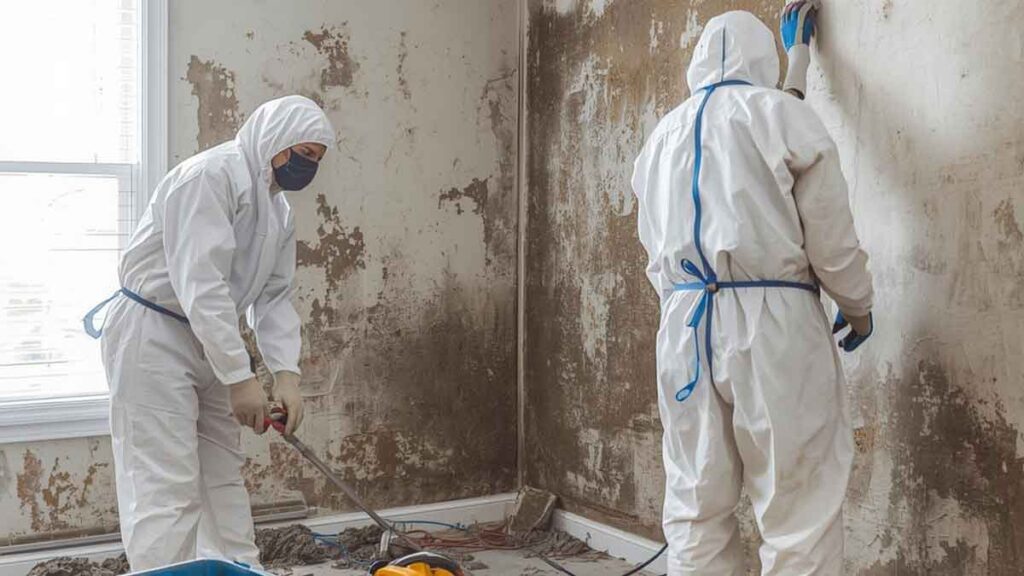
Proper mold removal takes more than a quick wipe. It requires a systematic process that eliminates both visible mold and the hidden sources that feed it. The first step is to identify what caused the growth. Often, the issue starts with a leak, high humidity, or unnoticed moisture trapped in walls or flooring. Once the source is addressed, safe mold removal can begin.
Here are the correct methods to remove mold safely and permanently:
- Identify and fix the moisture source before cleaning any affected surface.
- Contain the area to stop mold spores from spreading during cleaning.
- Use EPA-approved mold removal solutions instead of household bleach.
- Remove heavily contaminated materials, such as carpet or drywall, that cannot be restored.
- Dry the entire area thoroughly using dehumidifiers and air movers.
- Call a water intrusion specialist if the problem involves leaks, flooding, or hidden moisture.
Mold cleanup should always focus on prevention. Once the area is dry, monitor humidity levels and improve ventilation to stop mold from returning. Keep bathrooms, kitchens, and basements well-ventilated and fix leaks as soon as they appear.
With the right approach, you can keep your home safe and mold-free for the long term.
About the Author
 Cameron Figgins
Cameron Figgins is the founder of Absolute Maintenance & Consulting. With over 30 years of hands-on industry experience, he specializes in identifying complex water intrusion issues in Southern California homes and is dedicated to helping homeowners protect their property with the latest in detection technology.”