The Mold Remediation Process
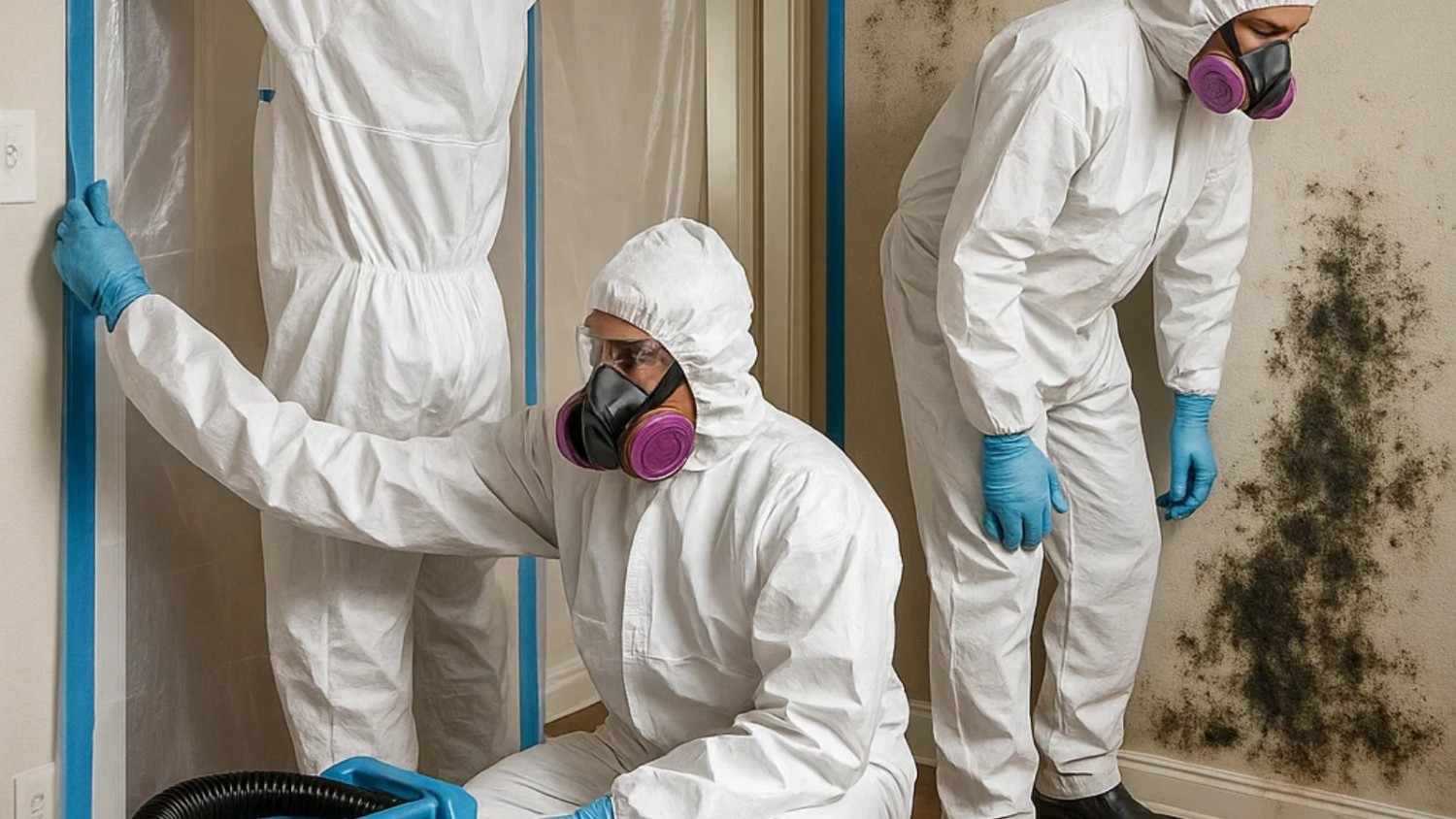

Table of Contents
Mold can spread quickly and often hides in places you cannot see. You might notice a musty odor, persistent allergy-like symptoms, or visible spots on walls and ceilings. These signs can indicate a deeper issue that will not go away with surface cleaning alone.
When mold takes hold, it affects both the appearance of your property and the safety of the air you breathe. Left untreated, it can damage building materials, trigger health problems, and lead to costly repairs. Addressing it the right way requires a thorough and structured approach.
In this guide, we’ll break down what the process of mold remediation really looks like. You’ll see how comprehensive mold remediation removes contamination, addresses the cause, and helps keep your home or business safe over the long term.
Let’s get into it.
What is Mold Remediation
Mold remediation is the process of identifying, containing, removing, and preventing mold growth in a building. It involves more than just wiping away visible spots; it targets both the mold you can see and the spores you cannot. This ensures the problem is dealt with at its source.
The process often starts with a detailed inspection to locate all areas of contamination and to determine the underlying cause. Professionals use specialized equipment to detect moisture and assess the extent of the problem. This is followed by containment, safe removal of affected materials, and thorough cleaning of the space. (We’ll get into detail in the following sections.)
The ultimate goal of mold remediation is to restore the environment to safe conditions and prevent mold from returning. This requires not only cleaning the mold but also eliminating the conditions that allowed it to thrive in the first place.
With this information in mind, we can safely conclude that mold remediation is the ultimate solution for any mold problem.
When is Mold Remediation the Right Choice
Mold remediation is necessary when the problem is beyond what basic cleaning can handle. Small patches on non-porous surfaces can sometimes be removed with household methods, but larger or recurring growth requires a professional approach.
The decision often depends on the size of the problem, the materials affected, and whether mold has spread to hidden areas.
You should consider professional remediation when:
- Mold growth covers more than 10 square feet
- Mold is inside walls, ceilings, or HVAC systems
- There are recurring outbreaks despite prior cleaning
- Occupants experience health symptoms linked to mold
- Mold growth follows leaks, flooding, or other causes of water intrusion
When these conditions exist, addressing the mold at the surface level will not be enough. Remediation tackles both visible contamination and airborne spores, while also removing the conditions that allow mold to thrive.
Acting quickly limits structural damage, protects indoor air quality, and helps avoid repeated repairs in the future.
The Mold Remediation Process
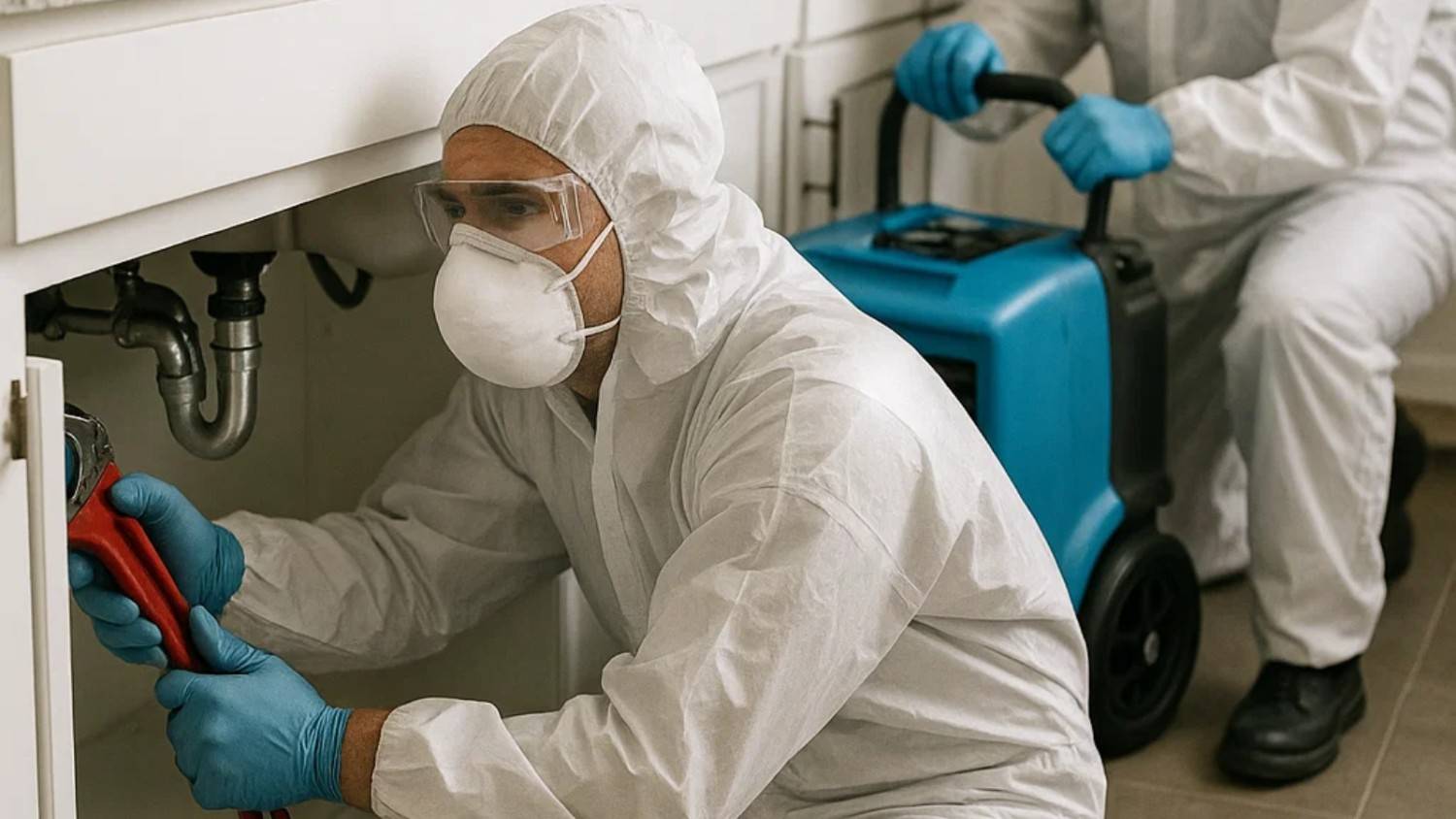
Mold remediation follows a structured sequence to ensure contamination is entirely removed and the cause is addressed. Each stage is designed to limit the spread of spores and restore the affected area to safe conditions.
Understanding each step will give you a clear picture of what happens during a professional remediation service.
Initial Assessment and Containment Setup
A proper remediation process begins with a thorough inspection of the property. Professionals use tools like moisture meters, hygrometers, and thermal imaging cameras to locate both visible mold and hidden growth behind walls or under flooring. This detailed assessment helps determine the extent of the damage and the best approach to remove it.
Once the affected areas are identified, containment measures are put in place. Technicians isolate these spaces with plastic sheeting, zipper doors, and sealed barriers to prevent spores from spreading. This is especially important in homes with shared ventilation systems, where spores could otherwise travel to clean areas.
Negative air pressure machines may also be used inside the containment zone. This creates an inward airflow that keeps airborne spores from escaping into the rest of the building while work is in progress.
Safety Preparations and Equipment Installation
Before mold removal begins, strict safety measures are implemented. Remediation crews wear personal protective equipment, including full-body suits, gloves, goggles, and respirators, to avoid direct contact with spores and mycotoxins. This step protects both the team and anyone in the surrounding areas.
Specialized air-cleaning equipment is then installed in the work zone. HEPA air scrubbers capture microscopic spores from the air, while filtration devices ensure that only clean air is circulated back into the space. These machines typically run nonstop throughout the project.
By combining protective gear and advanced equipment, professionals create a safer work environment. This also minimizes the risk of contamination spreading beyond the affected area during the remediation process.
Physical Mold Removal and Surface Treatment
The next stage is physically removing mold from contaminated materials. Porous materials such as drywall, carpet, and insulation that cannot be cleaned are safely removed and disposed of according to local regulations. Non-porous surfaces are scrubbed, sanded, or wiped with antimicrobial cleaning agents to kill and remove spores.
Cleaning is done carefully to avoid sending additional spores into the air. HEPA vacuums are often used to remove fine particles after scrubbing. This helps ensure that the area is fully cleared before moving on to treatment.
Once cleaning is complete, surfaces are treated with protective sealants or coatings. This extra layer discourages future mold growth and helps maintain a clean, dry environment in the remediated space.
Moisture Control and Source Elimination
Addressing the source of moisture is one of the most essential parts of mold remediation. Professionals inspect for leaks, condensation issues, or drainage problems that contribute to excess moisture. Without solving these issues, mold can return quickly.
Repairs may include fixing plumbing leaks, sealing foundation cracks, or installing dehumidifiers to maintain proper humidity levels. In some cases, ventilation upgrades are also needed to improve airflow in damp areas like basements, bathrooms, or attics.
This step is crucial when dealing with the long-term effects of water intrusion. By removing the moisture source, the environment becomes much less favorable for mold to grow again.
Post-Remediation Testing and Verification
Once removal and repairs are complete, testing is carried out to confirm that the space is safe. Air samples and surface swabs are analyzed to check mold spore levels against accepted safety standards. This verification step ensures that the remediation process achieved its intended results.
If the tests indicate that mold levels are still elevated, additional cleaning or adjustments are made until the space meets safety guidelines. This ensures no lingering contamination is left behind.
Detailed reports are provided to property owners after successful remediation. These documents outline the steps taken, the testing results, and recommendations for ongoing maintenance to keep the property mold-free.
Why Choose Absolute Maintenance & Consulting for Professional Help
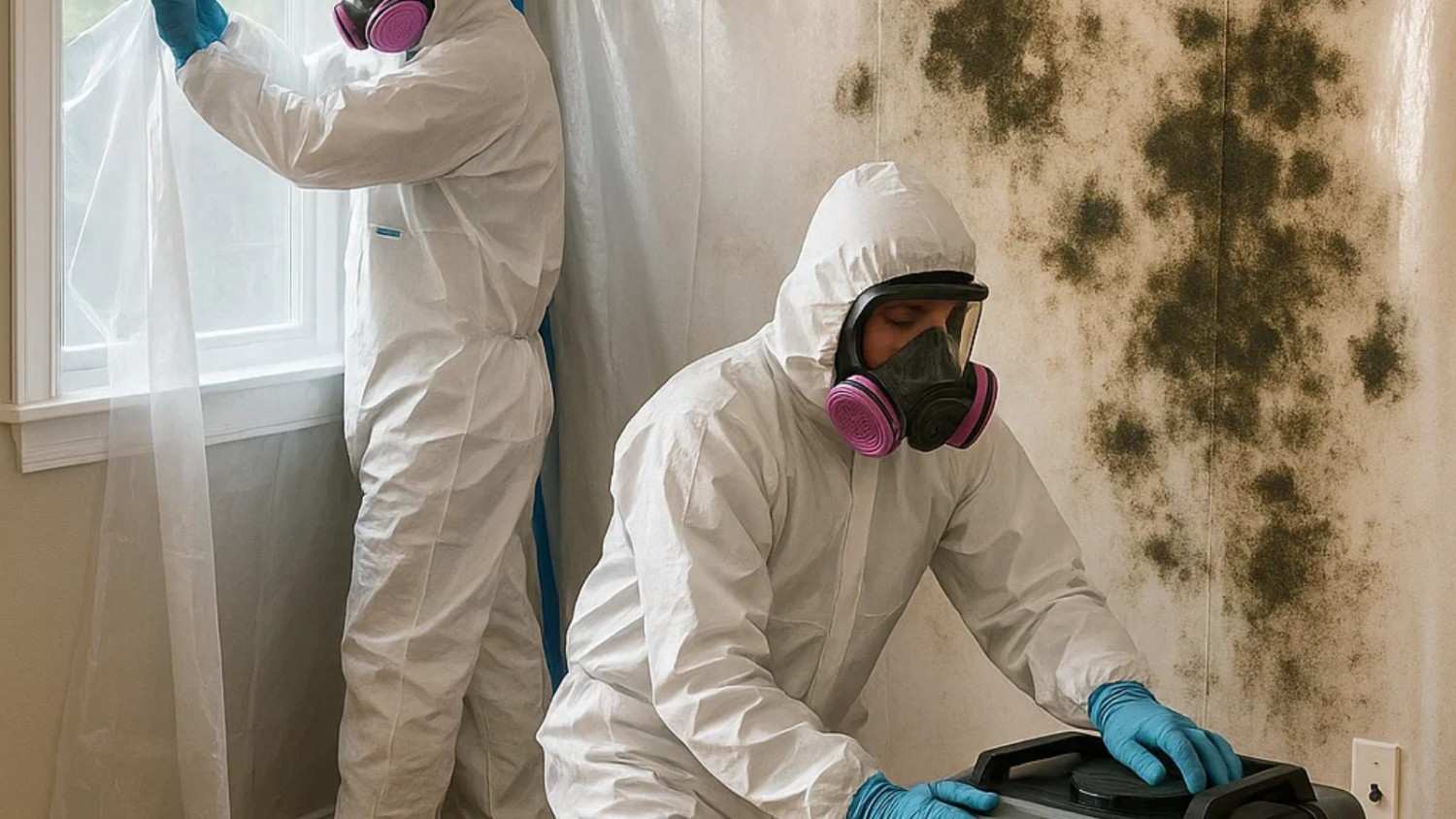
Choosing the right team for mold remediation can determine how well the problem is resolved and whether it comes back. Absolute Maintenance & Consulting delivers a complete service that focuses on thorough removal, moisture control, and long-term prevention. Our team combines technical expertise with the right tools to ensure the job is done correctly and safely.
Here’s what sets us apart as a trusted restoration company:
- Detailed inspections that identify both visible and hidden mold
- Advanced containment and air filtration systems to prevent spread
- Skilled technicians trained in industry-approved remediation methods
- Comprehensive moisture control solutions to stop future mold growth
When you work with us, you get more than just a cleanup service. You receive a tailored plan that addresses your property’s specific needs, from start to finish. We ensure that every step of the process is documented and that the results meet strict safety standards.
Our goal is to restore your property to a safe, healthy condition and keep it that way.
About the Author
 Cameron Figgins
Cameron Figgins is the founder of Absolute Maintenance & Consulting. With over 30 years of hands-on industry experience, he specializes in identifying complex water intrusion issues in Southern California homes and is dedicated to helping homeowners protect their property with the latest in detection technology.”