
How Atmospheric Rivers Impact Stucco and Foundations in Southern California Homes
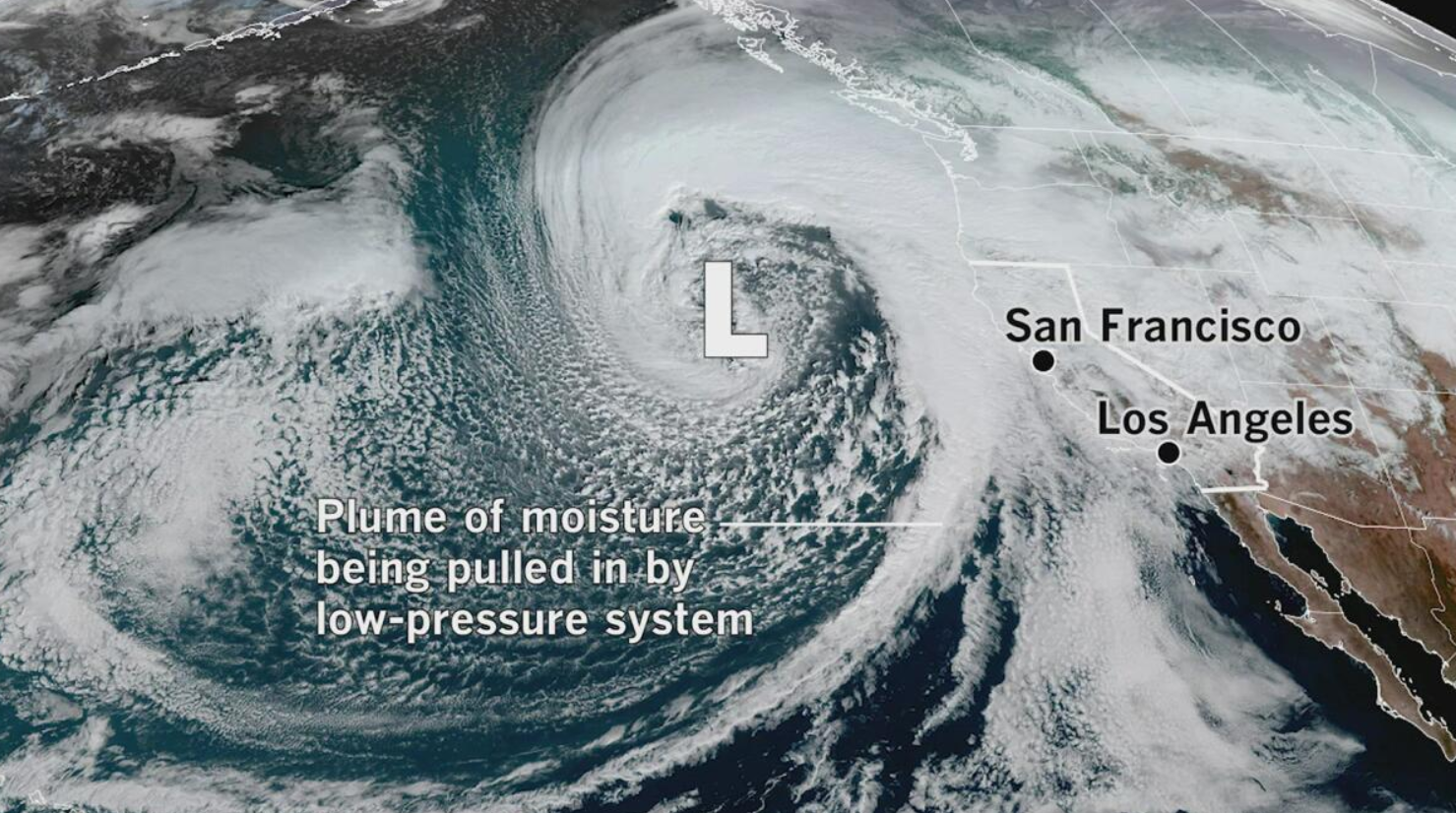

Table of Contents
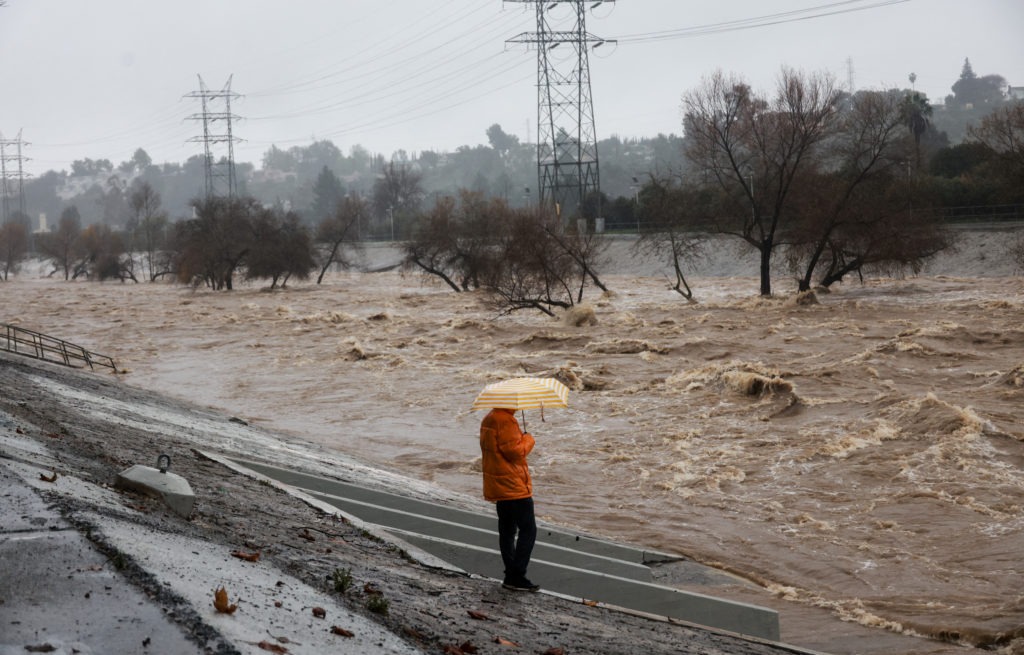
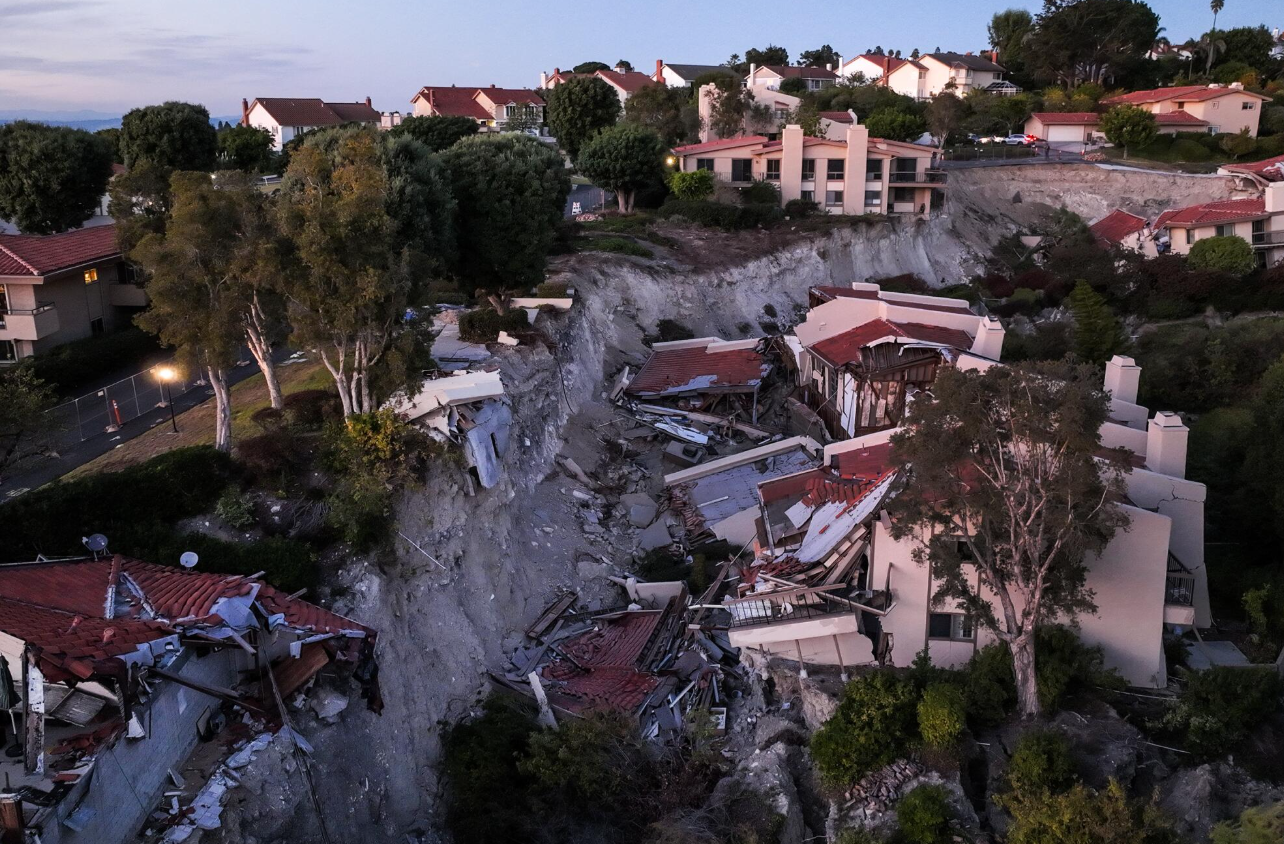
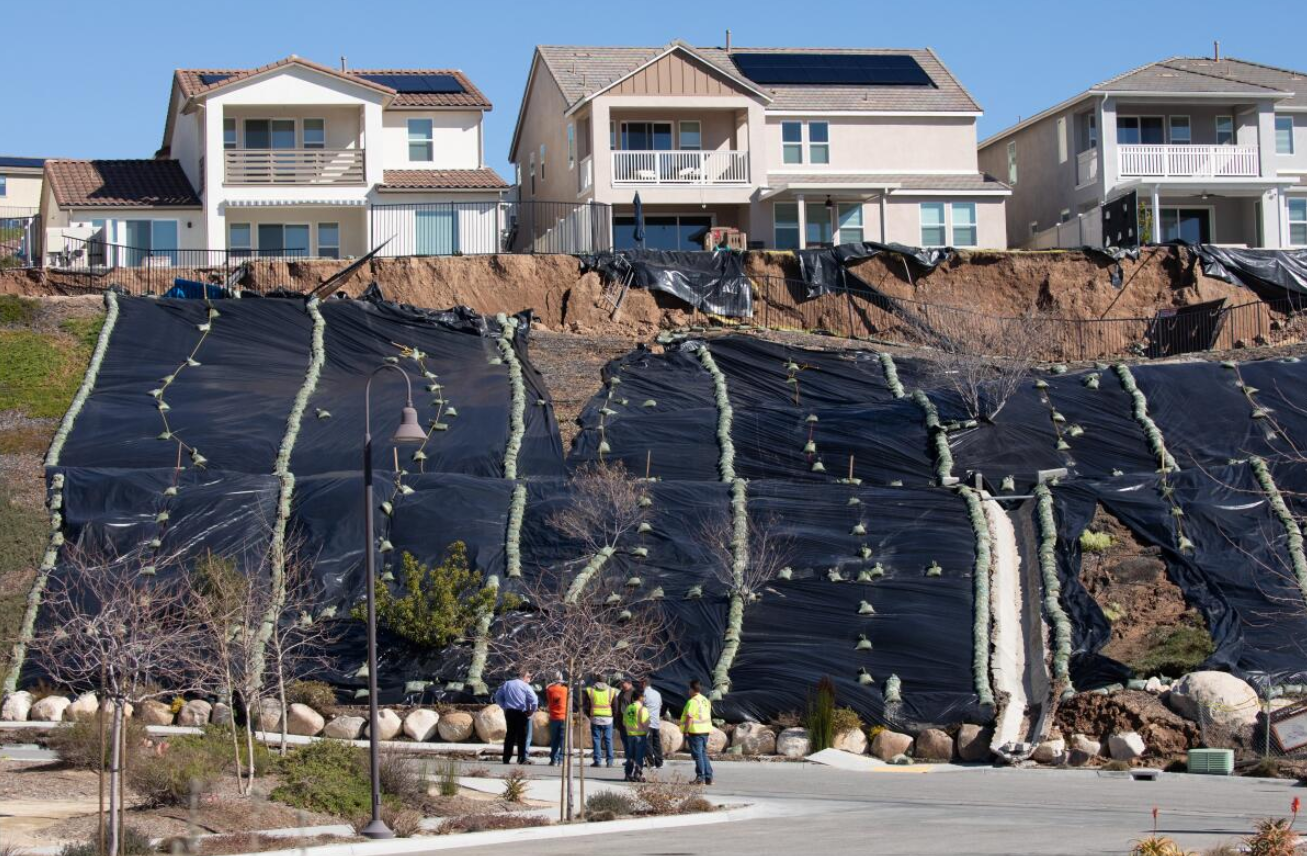
Southern California homeowners are no strangers to drought — but when the rain finally comes, it can come fast and hard. In recent years, powerful atmospheric river storm systems have brought intense, prolonged rainfall across the region, overwhelming drainage systems and exposing weaknesses in homes that were built for a much drier climate.
These storm systems don’t just cause temporary flooding. They can quietly damage stucco exteriors, compromise foundations, and create long-term structural and moisture issues that may not show up until months later.
Let’s break down what’s happening — and what it means for Southern California homes.
What Is an Atmospheric River?
An atmospheric river is a long, concentrated band of moisture in the atmosphere that transports water vapor from the tropics toward the West Coast. When it makes landfall, especially in places like Los Angeles, Santa Barbara, or San Diego, it can release days’ worth of heavy rain in a short period of time.
Unlike short winter showers, atmospheric rivers:
- Deliver sustained rainfall over multiple days
- Saturate soil deeply
- Overwhelm aging drainage systems
- Increase hydrostatic pressure around foundations
For homes built during decades of drought conditions, this sudden saturation creates serious stress.
How Heavy Rains Damage Stucco
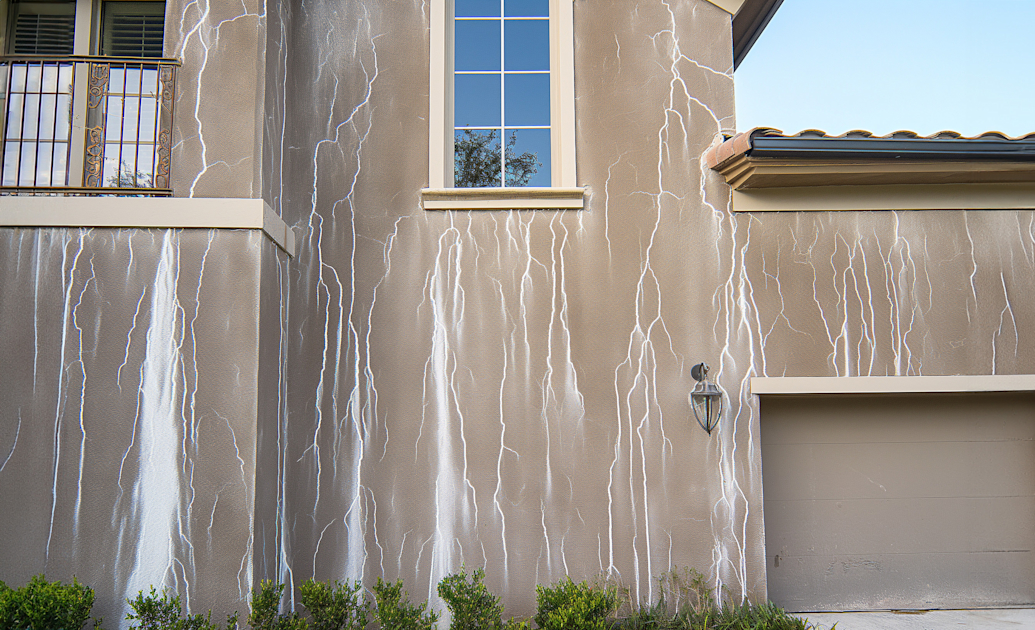
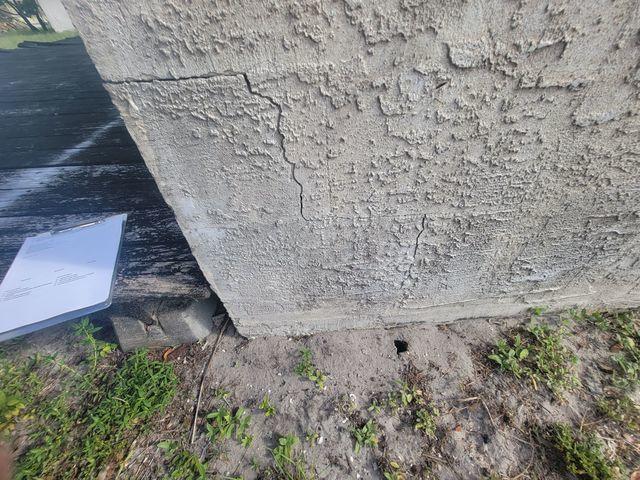
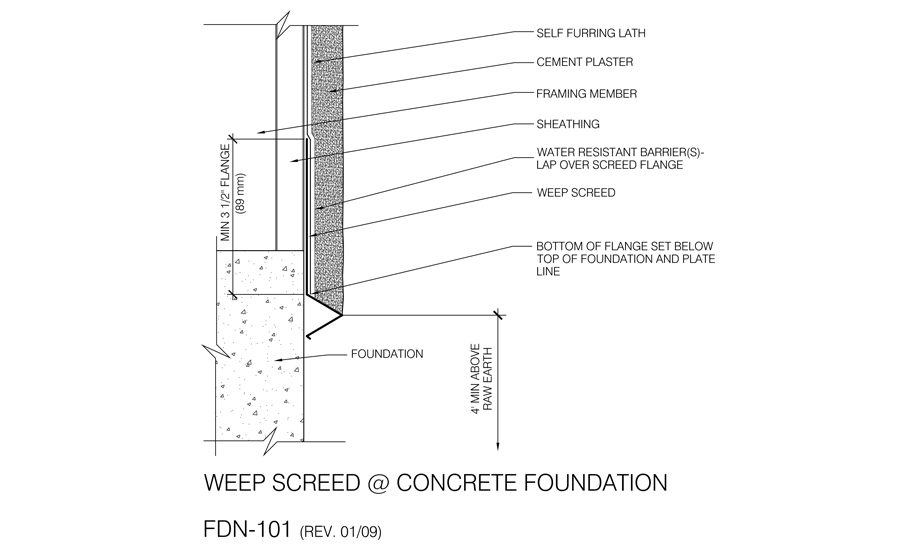
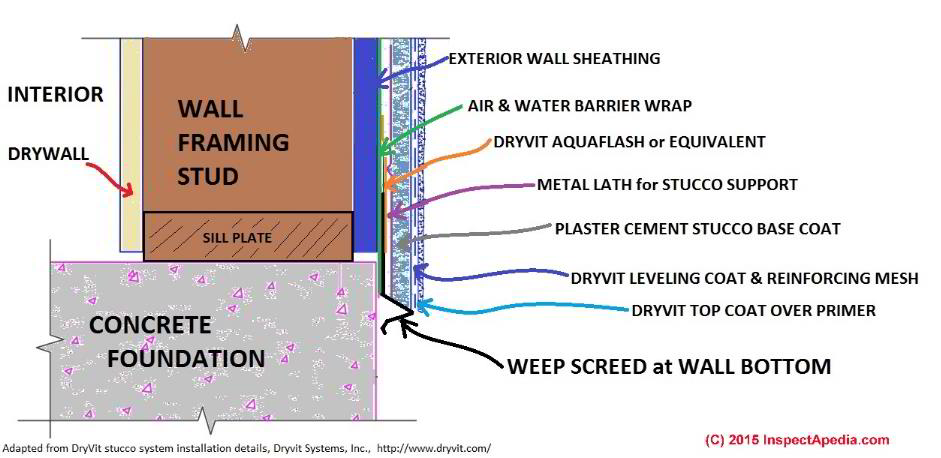
Stucco is one of the most common exterior finishes in Southern California. It performs well in dry climates — but without specialized stucco waterproofing, prolonged exposure to heavy rain reveals its vulnerabilities.
1. Hairline Cracks Become Water Entry Points
Stucco naturally develops small cracks over time due to settling and temperature changes. During atmospheric river events, wind-driven rain forces water into those cracks. Once inside, moisture becomes trapped behind the stucco system.
2. Failed Weep Screeds and Flashing
The weep screed at the bottom of stucco walls is designed to allow moisture to drain out. If it’s buried under soil, concrete, or landscaping — which is common in older homes — water can’t escape. Instead, it wicks upward into framing and sheathing.
Improper or aging window and door flashing also allows water intrusion during prolonged storms.
3. Saturated Building Paper and Sheathing
Many Southern California homes were built with minimal moisture barriers because extreme rain events were historically rare. When atmospheric rivers dump inches of rain, building paper and OSB sheathing can become saturated, leading to:
- Mold growth
- Wood rot
- Delamination of sheathing
- Interior drywall damage
Professional mold remediation services are often required to address these issues safely and prevent long-term structural compromise. The damage often appears weeks after the storm has passed.
Foundation Risks During Atmospheric Rivers
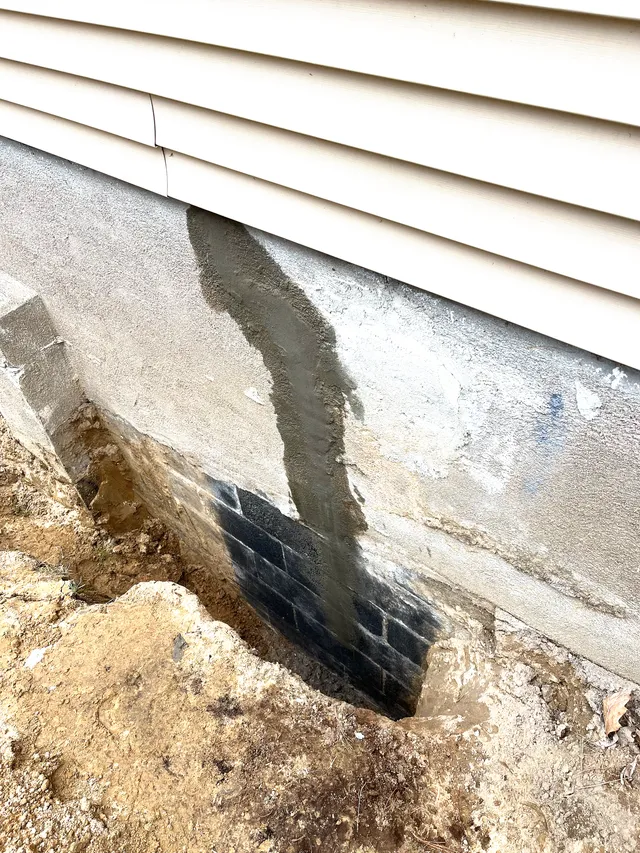
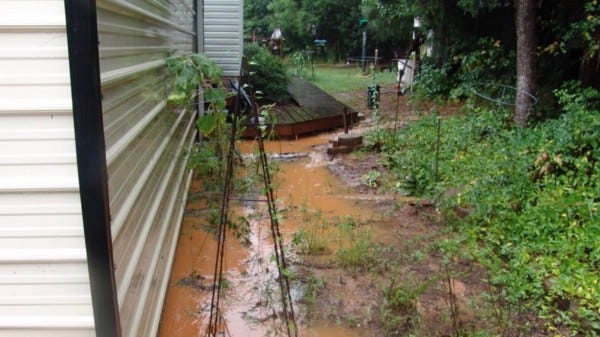
While stucco damage is visible, foundation damage is often hidden — and more expensive.
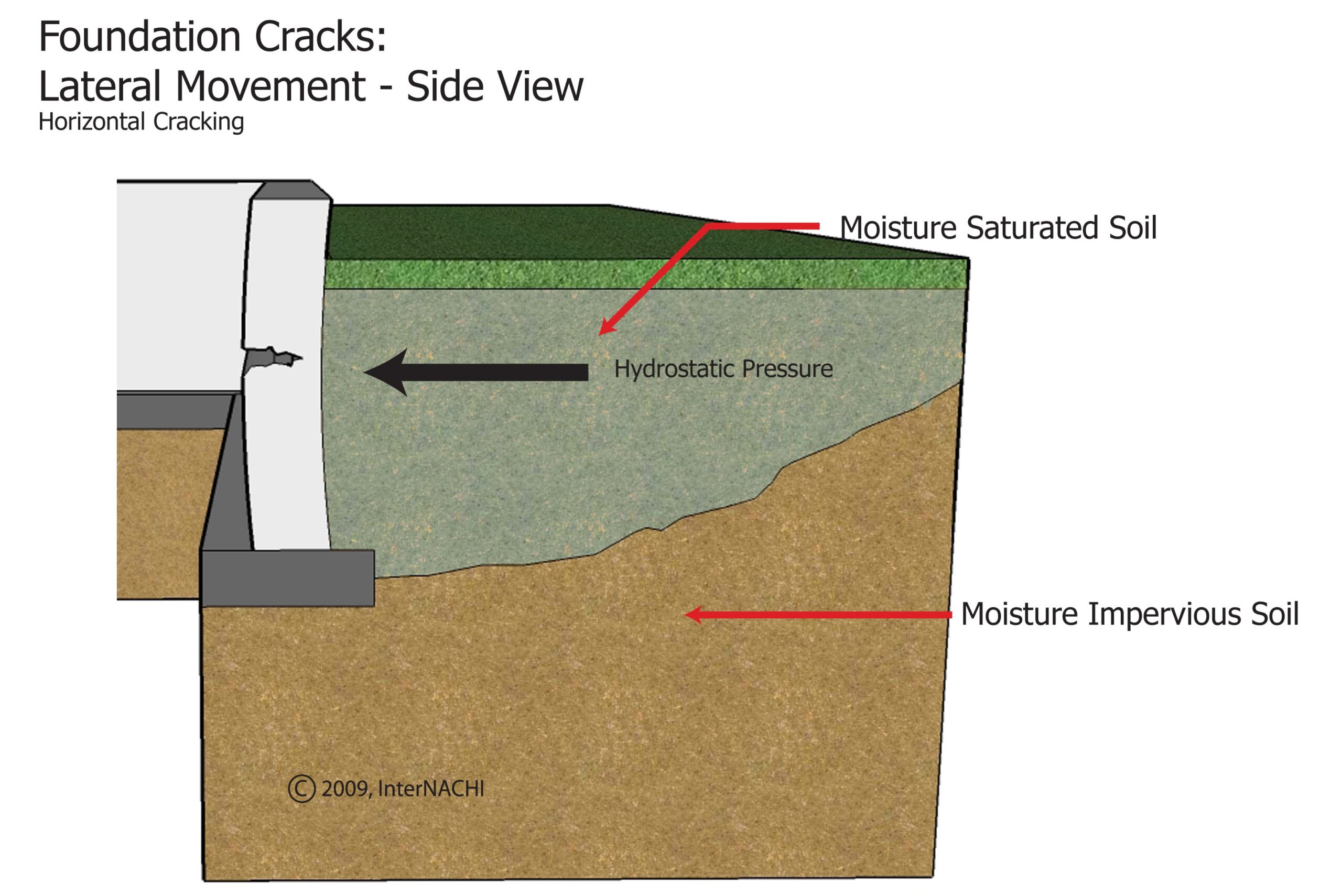
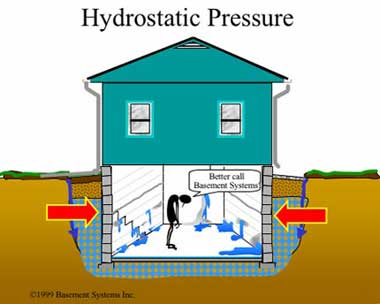
1. Hydrostatic Pressure
When soil becomes fully saturated, it expands and pushes against foundation walls. This hydrostatic pressure can cause:
- Foundation cracks
- Slab movement
- Water intrusion through cold joints
- Interior flooring damage
Homes on slab foundations in coastal and valley areas are especially vulnerable.
2. Expansive Clay Soils
Many areas of Southern California contain expansive clay soils. These soils swell when wet and shrink when dry. After a major atmospheric river event, the sudden expansion can lift portions of a slab or stress stem walls.
3. Poor Drainage and Grading
If grading slopes toward the home, or if downspouts discharge near the foundation, water pools against the structure. Over time, this erodes soil and undermines footings.
Homes in hillside areas like parts of Santa Monica and Malibu face additional risk from soil movement and slope instability during prolonged storms.
Why Southern California Homes Are Especially Vulnerable
Southern California construction has historically prioritized:
- Earthquake resistance
- Energy efficiency
- Heat control
But not necessarily prolonged water exposure.
Many homes built between the 1950s and early 2000s:
- Have minimal overhangs
- Lack modern waterproofing systems
- Have aging stucco without elastomeric coatings
- Feature poor drainage retrofits
As climate patterns shift and atmospheric rivers become more frequent, these older building assemblies are being tested beyond their original design assumptions.
Warning Signs After a Major Storm
After an atmospheric river event, homeowners should look for:
- New cracks in stucco
- Bubbling or staining on interior drywall
- Musty odors
- Doors or windows sticking
- Flooring lifting near exterior walls
- Soil separation around the foundation
Even if no damage is immediately visible, professional leak detection using moisture meters and infrared inspections can identify hidden saturation behind walls.
Prevention and Protection
Homeowners can reduce risk by:
- Inspecting and sealing stucco cracks annually
- Verifying proper slope away from the foundation (minimum 5% grade)
- Extending downspouts at least 5 feet from the structure
- Installing or repairing weep screeds
- Upgrading to elastomeric exterior coatings
- Ensuring proper window and door flashing
For homes with prior water intrusion, proactive property restoration services before the next storm season can prevent significantly higher repair costs.
Final Thoughts
Atmospheric rivers are no longer rare events — they are becoming a defining weather pattern for Southern California. While the rain replenishes reservoirs and reduces drought risk, it also exposes weaknesses in building envelopes and foundations that were designed for a different climate reality.
For homeowners, awareness and early intervention are key. A small stucco crack or minor drainage issue during dry months can become major structural damage during the next atmospheric river.
Protecting your home today may prevent costly structural repairs tomorrow.
About the Author
 Cameron Figgins
Cameron Figgins is the founder of Absolute Maintenance & Consulting. With over 30 years of hands-on industry experience, he specializes in identifying complex water intrusion issues in Southern California homes and is dedicated to helping homeowners protect their property with the latest in detection technology.”