
Common Hiding Places for Mold in Southern California Homes
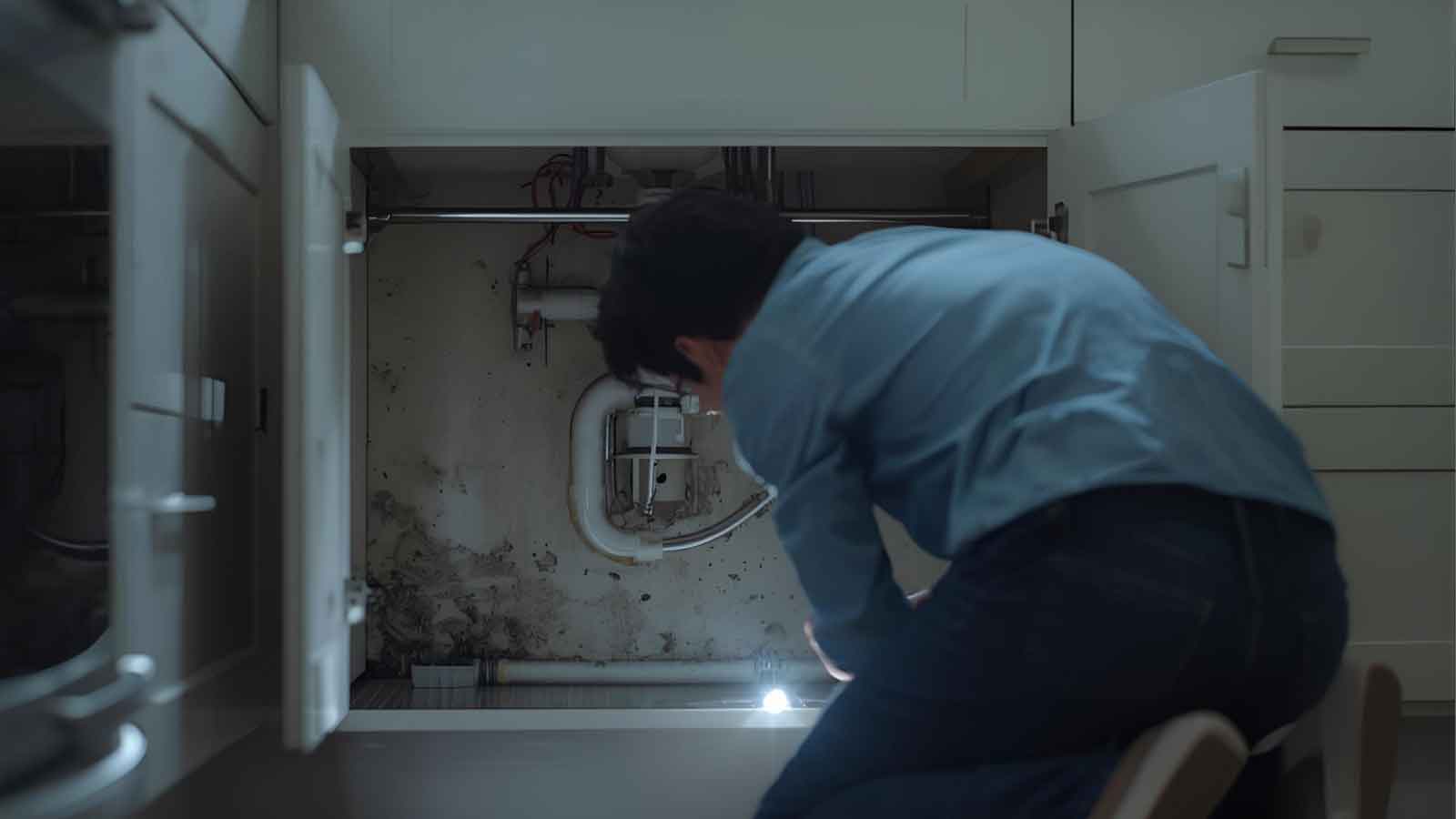

Table of Contents
You suspect mold growth in your home because your allergies have been flaring for weeks. However, nothing in your home looks visibly wrong. You’ve checked the obvious spots and found nothing. Yet that damp, earthy odor keeps returning.
If this sounds familiar, you’re not imagining things. Mold prefers dark, undisturbed spaces with consistent moisture, and Southern California’s unique climate creates perfect conditions for mold to thrive. By the time you see visible growth, colonies have often been spreading for months.
This guide walks you through the common places mold grows in houses across the SoCal area. You’ll learn exactly where to look, what warning signs to watch for, and when professional inspection makes sense.
Why Southern California Homes Are Prone to Mold
Many homeowners assume that sunny, dry climates don’t have mold problems. This misconception leads to missed warning signs and delayed treatment. Southern California mold problems stem directly from our region’s unique environmental conditions.
Coastal Humidity and Temperature Swings
Living near the Pacific Ocean means dealing with persistent moisture in the air that many inland residents don’t experience. Homes in Santa Monica, Venice, Redondo Beach, and other coastal communities absorb this humidity through every gap and crack in their building envelope.
Temperature differentials create another issue. When warm interior air meets cool exterior surfaces, condensation forms on windows, pipes, and inside wall cavities. This trapped moisture feeds mold growth in spaces you never see.
Seasonal Rain Events and Aging Infrastructure
Southern California’s rainy season dumps significant water on homes that spend most of the year bone dry. When your house’s roof flashing, window seals, and foundation waterproofing deteriorate during long dry stretches, the weakened defenses allow moisture intrusion into attics, walls, and crawl spaces when rain comes pouring.
Older homes are more prone to mold growth. Many properties built before the 1980s lack modern vapor barriers and ventilation standards. These aging structures trap moisture more readily, giving mold spores the environment they need to colonize hidden areas.
Where Mold May Be Hiding In Your SoCal Home
Some areas of your home are exposed to water daily. Your bathrooms, kitchens, and laundry areas are high-moisture zones that make it easy for mold to develop, especially when ventilation fails or small leaks go unnoticed. Knowing exactly where to inspect helps you catch and contain mold early.
Under Sinks and Inside Cabinets
Mold under sink areas ranks among the most common discoveries during professional mold inspections. The enclosed cabinet space beneath your kitchen or bathroom sink creates a dark, humid microenvironment.
Watch for these warning signs:
- Warped or soft cabinet floor panels
- Visible condensation on pipes or supply lines
- Water stains on the cabinet back wall
- Swollen or peeling laminate surfaces
Small drips add up quickly. A slow leak of just one tablespoon of water per hour translates to 2 gallons to your cabinet each week. Most homeowners never notice until damage becomes severe.
Bathrooms Without Adequate Ventilation
Steam accumulates on every surface during hot showers. Proper exhaust fans remove this moisture before it soaks into drywall, grout, and wood trim. Bathrooms with weak or broken ventilation fans trap humidity that feeds hidden mold.
Check these commonly overlooked bathroom spots:
- Behind toilets
- Inside vanity cabinets near plumbing
- Ceiling corners where steam collects
- Grout lines that stay damp between showers
- Under bathroom rugs and mats that trap floor moisture
Around Windows and Door Frames
Condensation on glass transfers directly to wood frames and sills. Coastal areas see this constantly as temperature swings move moisture onto and off of window surfaces throughout the day.
Peeling paint around window trim often signals hidden growth beneath the surface. Dark streaks running down walls below windows indicate moisture traveling into the drywall. Soft, spongy wood around the frames suggests colonies have likely taken hold in the wall cavity.
Laundry Areas and Utility Rooms
Washing machines, dryers, and water heaters concentrate moisture-producing equipment in small spaces. These utility areas often lack the ventilation found in main living spaces.
Rubber washing machine hoses degrade over time, developing small cracks that allow water to seep behind the unit. Clogged dryer vents cause humid exhaust air to accumulate in the laundry room. Water heater drain pans overflow when pressure relief valves activate.
Attics and Roof Cavities
Roof leaks don’t only drip visibly into living spaces. Water often travels along rafters and sheathing, pooling in low spots or soaking into insulation far away from the original entry point. Water inside the walls and ceiling increases the likelihood of mold growth.
Poor attic ventilation compounds the problem. Hot air rising through ceiling penetrations carries household humidity into the attic space. Without adequate soffit and ridge ventilation, this moisture condenses on cool roof surfaces and drips onto framing members.
Warning signs of attic mold include:
- Dark staining on attic sheathing or rafters
- Insulation that appears matted, stained, or wet
- Visible water tracks along wood surfaces
- Excessive humidity or condensation during inspections
Crawl Spaces and Foundations
Mold in crawl spaces is one of the most common findings during comprehensive property inspections. These below-grade voids collect ground moisture, plumbing leaks, and condensation that homeowners rarely notice.
Ground vapor rises continuously through exposed soil in unlined crawl spaces. Plumbing running through these areas develops small leaks at fittings and joints. Poor drainage directs rainwater under the home rather than away from the foundation.
Behind Drywall and Baseboards
Water traveling inside wall cavities spreads across studs, insulation, and sheathing without leaving obvious surface clues. Common sources of in-wall moisture include:
- Plumbing leaks inside finished walls
- Roof or flashing failures allowing rain penetration
- Window and door installation failures
- Exterior stucco cracks admitting rainwater
- HVAC condensation dripping inside chases
Bubbling or peeling paint indicates moisture pushing to the surface. Warped or separating baseboards mean water has reached floor level inside the wall cavity.
Inside HVAC Ducts and Air Handlers
Mold in HVAC ducts is a serious concern for Southern California homeowners who regularly run their air conditioners. AC systems generate significant condensation as they cool warm air. This moisture collects in drain pans, on coil surfaces, and inside ductwork, causing mold to grow. Mold spores then spread through the duct system every time your HVAC runs, distributing contamination to every room in your home.
Signs of HVAC mold contamination include:
- Visible growth around supply vents or return grilles
- Black or dark residue on vent surfaces
- Worsening allergy symptoms when the AC runs
- Respiratory irritation
Professional HVAC and air duct mold remediation addresses contamination at its source and prevents recontamination of cleaned living spaces.
Beneath Carpets and Flooring Materials
Carpet padding absorbs spills and traps moisture against subfloor materials. What looks like a minor accident on the surface can soak through to create hidden growth zones underneath.
Slab foundations in Southern California homes allow ground moisture to wick upward through concrete. This moisture accumulates beneath flooring materials, inviting mold to form and multiply.
Watch for these floor-related warning signs:
- Soft or spongy spots when walking
- Carpet that stays damp after cleaning
- Buckled hardwood or warped laminate planks
- Visible discoloration at carpet edges or transitions
Warning Signs That Suggest Hidden Mold
You can’t always see mold, but your body and your senses often detect its presence. Learning to recognize these indirect indicators helps you catch hidden problems before they escalate.
Physical Symptoms That Worsen Indoors

Mold spores trigger immune responses in sensitive individuals. If you or family members experience symptoms that improve when away from home and return when you return, hidden mold can be a possible cause.
Common mold-related symptoms include:
- Sneezing, runny nose, and nasal congestion
- Itchy, watery, or red eyes
- Coughing and throat irritation
- Skin rashes or irritation
- Persistent headaches
- Fatigue and difficulty concentrating
- Worsening asthma or respiratory conditions
These symptoms overlap with seasonal allergies and other conditions. The distinguishing factor is location-based patterns. Symptoms tied to being inside your home, especially in certain rooms, warrant investigation.
Visual and Olfactory Clues
Trust your nose. Hidden mold is the most likely cause of a persistent musty smell in your home. The odor comes from volatile organic compounds released as mold digests organic materials, such as wood framing and paper-faced insulation.
Visual indicators that suggest concealed problems include:
- Water stains on ceilings or walls, even old ones
- Peeling, bubbling, or cracking paint
- Wallpaper separating or showing bubbles
- Discoloration on ceiling tiles or drywall
- Condensation patterns on windows or pipes
- Dark streaking in corners or along baseboards
What to Do If You Suspect Hidden Mold
Finding where mold hides in homes requires looking beyond surface-level inspection. Once you suspect hidden growth, understanding your options helps you make informed decisions about next steps.
Assess What You Can Handle Yourself
Some mold situations fall within the scope of DIY cleaning. Small patches of visible mold on non-porous surfaces, such as tile, glass, or sealed countertops, can often be addressed with household solutions. The EPA generally considers mold areas smaller than 10 square feet manageable for homeowners.
Steps you can take on your own:
- Clean small visible mold patches on hard surfaces using detergent and water
- Fix minor leaks promptly to eliminate moisture sources
- Improve ventilation in bathrooms, kitchens, and laundry areas
- Use dehumidifiers to maintain indoor humidity below 60%
- Check visible areas around windows, under sinks, and near appliances regularly
- Remove and replace small sections of moldy caulk or grout
Hardware stores sell mold test kits, but these have limitations. Surface swabs only detect mold in the area you test, and air sampling results vary based on timing and HVAC operation.
Household products like bleach often make hidden mold problems worse by killing surface growth while leaving root structures intact, and the water in bleach solutions feeds new growth. DIY cleaning works on hard, non-porous surfaces, but materials like drywall, carpet, and insulation harbor mold deep within their structure.
Reach Out to Mold Remediation Professionals
A proper mold inspection examines your home as a complete system. Rather than treating individual mold patches, this approach identifies how moisture enters and moves through the structure. Addressing root causes prevents recurrence after remediation.
Professional detection methods reveal what visual inspection misses:
- Thermal imaging cameras: These devices detect temperature differentials that indicate moisture accumulation inside walls and ceilings.
- Moisture meters: Technicians measure water content in building materials without cutting into surfaces or causing structural damage.
- Air quality sampling: Lab analysis quantifies airborne spore concentrations throughout different areas of your home.
- Surface sampling: Testing identifies the specific mold species present, which helps determine appropriate remediation methods.
Call mold remediation services when you suspect mold, experience unexplained health symptoms that improve when you leave home, discover water damage in walls or ceilings, or find mold covering areas larger than 10 square feet.
Protect Your Home and Health
Taking action today prevents microscopic problems from becoming major issues. Mold colonies that require minimal intervention now can spread extensively over several months of continued growth. Early detection limits both health exposure and repair costs.
Your home should feel like a safe place for your family. Uncertainty about hidden mold creates stress that lingers until you have clear answers. A professional inspection removes the guesswork and gives you a concrete path forward.
Absolute Maintenance & Consulting’s certified technicians bring the equipment and expertise needed to find what visual inspection misses. We identify not just where mold exists, but why moisture accumulated in the first place. This approach means your home stays protected long after remediation is complete.
Ready to find out what’s really happening inside your walls? Contact us today to schedule your comprehensive mold inspection.
About the Author
 Cameron Figgins
Cameron Figgins is the founder of Absolute Maintenance & Consulting. With over 30 years of hands-on industry experience, he specializes in identifying complex water intrusion issues in Southern California homes and is dedicated to helping homeowners protect their property with the latest in detection technology.”